Master Builders House of the Year Awards 2025

On 22 November, the Master Builders House of the Year Awards 2025 showcased New Zealand’s top 100 exceptional homes. These highly anticipated awards annually celebrate bold design, superior craftsmanship, and innovation across the country.
In addition to the Supreme Winners, the awards recognised seventeen category winners, a Craftsmanship Award, a Special Award, and five Lifestyle Awards. Esteemed judges, builder Mark Metzger and architect Richard Harris shared their insights on this year’s winners and emerging trends in New Zealand’s building industry.
Mark and Richard developed a close rapport early that served them well in their eight weeks on the road reviewing the 100 homes in competition. “We came together with no egos and combined our different skill sets to listen and learn from each other,” says Mark. Despite maintaining independent scoring sheets, the judges were largely aligned in their evaluations. “There are 2,000 points on offer, so to be regularly within five points apart is remarkable,” adds Richard. Both expressed feeling privileged to serve as judges and were inspired by the craftsmanship demonstrated by this year’s entrants.
Supreme House of the Year – Over $1 Million
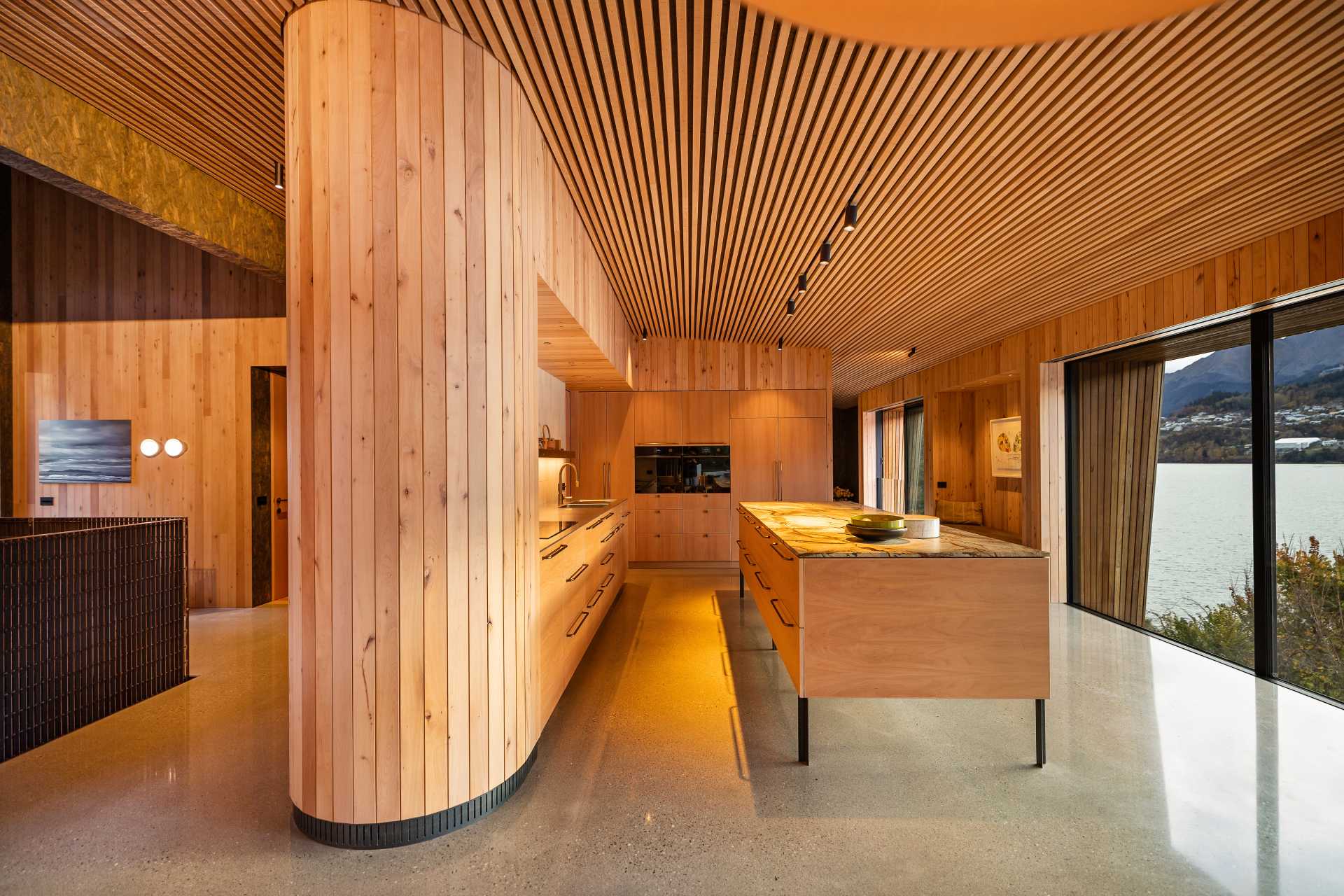
The National Supreme House of the Year over $1 million Award was presented to Velvin Building. Located on a steep site above the Frankton Arm Walkway, the home also won awards for National Kitchen Excellence and National Resene New Home $2–$4 million.
“The house maximises indoor-outdoor flow, shelters from the wind, and offers stunning lake views. It was seamless and beautifully crafted,” says Mark. Richard adds, “The design prioritises social connection, bold colour choices, and natural materials. The details are executed perfectly in unexpected ways, making it innovative in many respects.”
Highlights included prefabricated Strandboard panels with a dark wash, sustainably sourced Southland beech interiors, recycled blackbutt Australian hardwood exteriors, and Corten steel sliding screens. Mark notes, “The collaboration between architect and builder is evident in every element.”
Supreme House of the Year – Under $1 Million
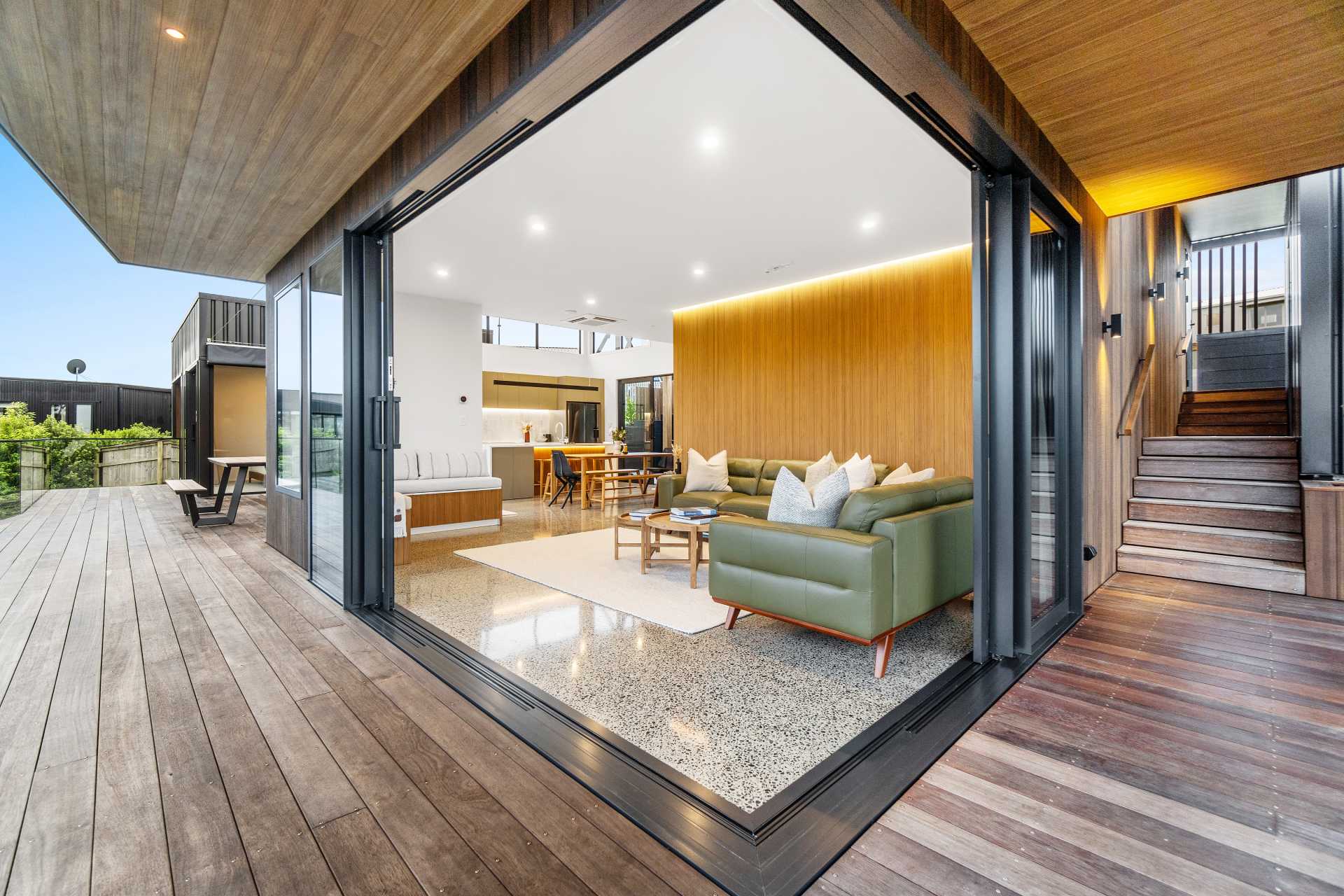
In Raglan, Nixon Homes received the National Supreme House of the Year under $1 million Award and the National Altus Window Systems New Home $750,000–$1 million category award. The home demonstrated what can be achieved within a disciplined budget.
“Three discrete pods are linked by walkways and roof elements, creating both sheltered courtyards and open spaces with estuary views,” says Richard. Mark highlights the durability and practicality of the materials: “Concrete floors, GIB walls, and Colorsteel cladding perform exceptionally well in the rugged coastal environment. It’s also an Airbnb for the owners, and the separate pods work perfectly for that purpose.”
H4: Supreme Renovation of the Year
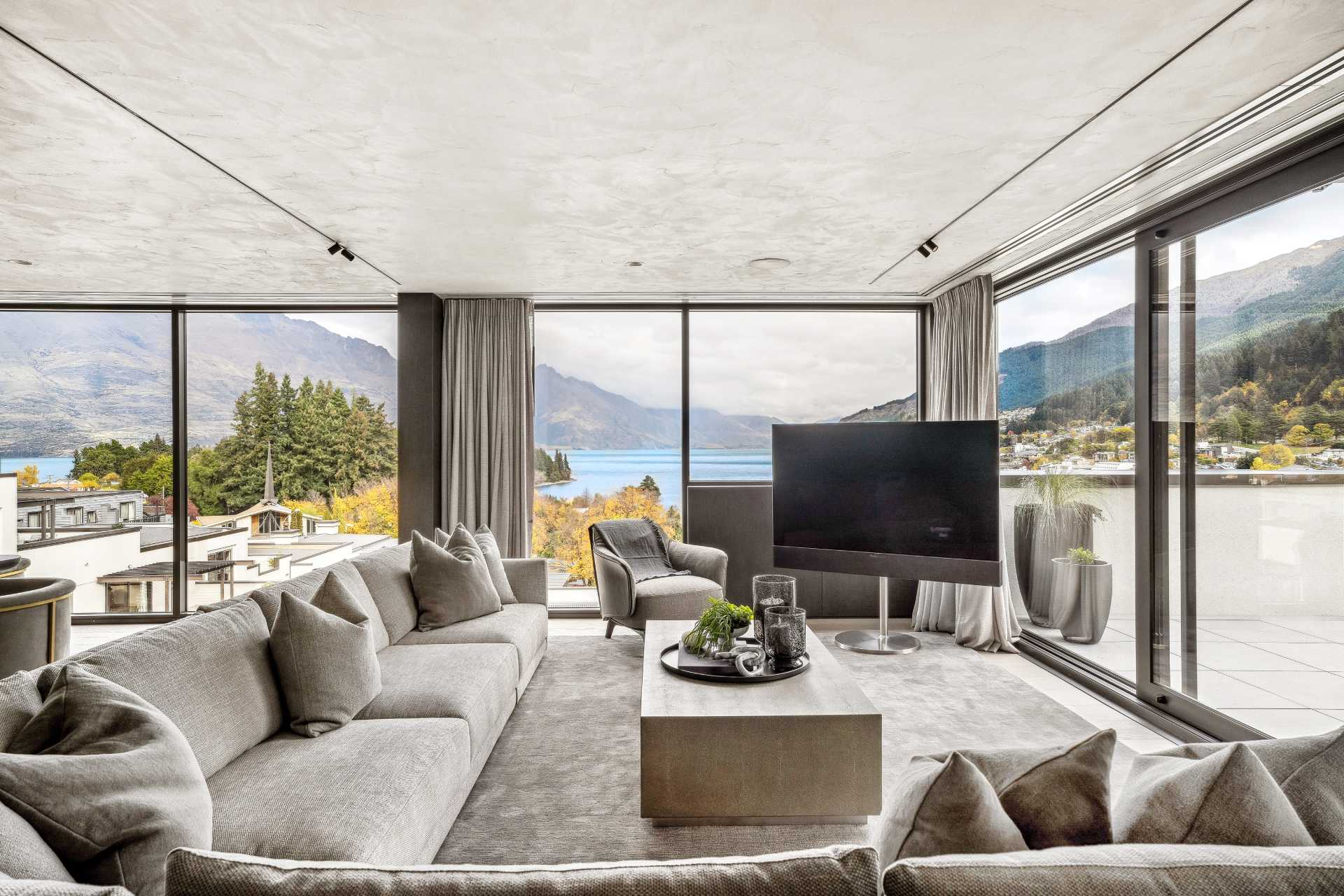
Howe Construction’s Queenstown renovation earned the National Supreme Renovation of the Year Award and the National Renovation over $2 million category. Judges praised the meticulous detailing and the transformation of a dated penthouse into a sophisticated open-plan living space with panoramic views of Lake Wakatipu.
“It connects every space seamlessly, with sleek transparent partitions and outdoor living areas including a spa,” says Mark. Richard adds, “The design draws you naturally through the home to the living areas, where the incredible views are revealed. Beneath the design’s graceful simplicity lies a surprisingly complex renovation.”
Mitre 10 Trade Craftsmanship Award
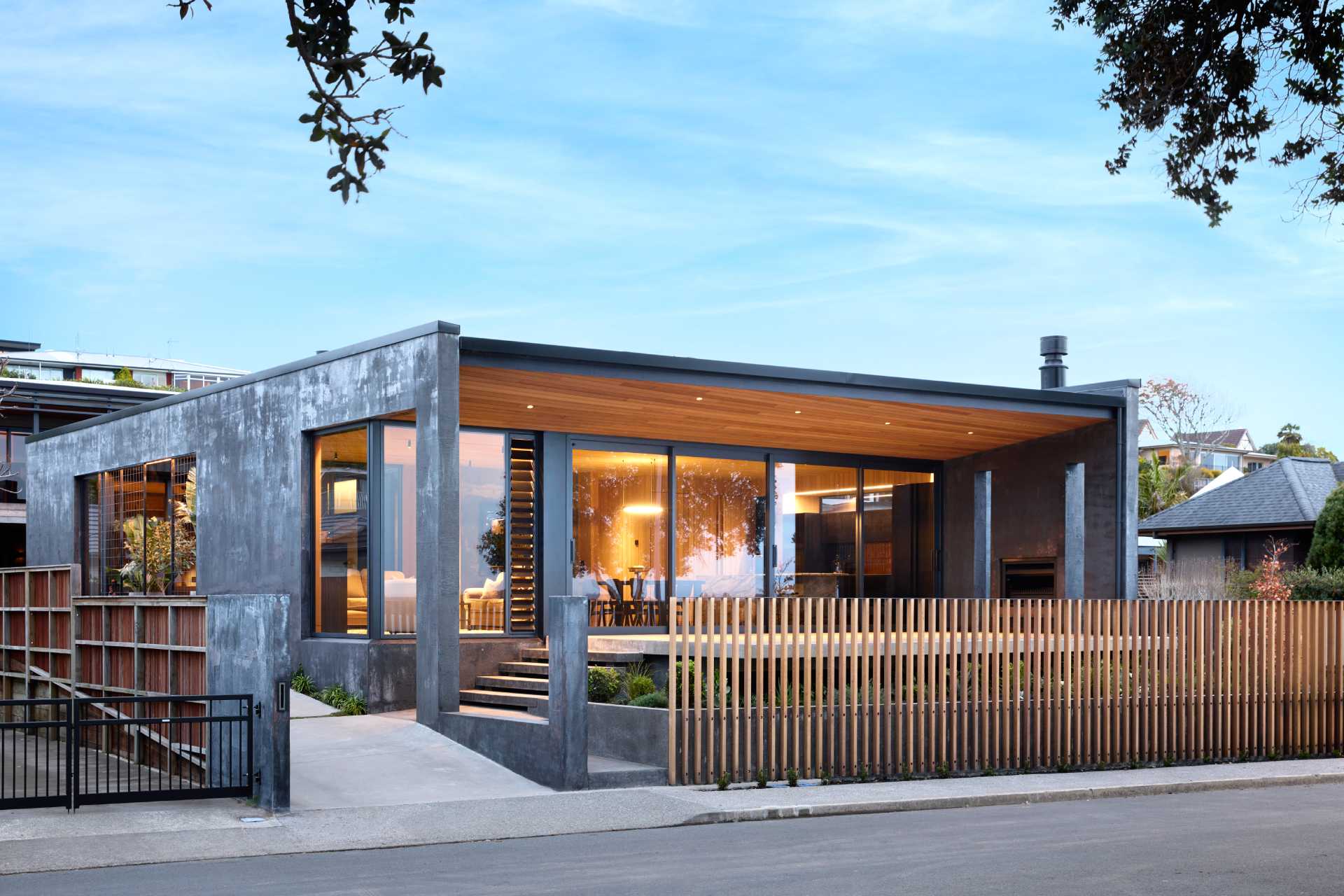
Gudsell Designer Homes won the Mitre 10 Trade Craftsmanship Award for their exceptional Tauranga waterfront home.
“The in-situ concrete evokes the bark of Pohutukawa trees,” says Mark. “From top to bottom, the house uses raw materials, concrete and timber. Every element is flawless.” Richard adds, “The craftsmanship is exceptional. Skylights and thoughtfully designed bathrooms contribute to the remarkable ambiance throughout.”
Emerging trends in New Zealand homes
Judges observed several emerging trends in New Zealand homes:
- Sustainability is increasingly integrated, with photovoltaic panels and Passive House principles becoming more common.
- Interiors are being considered holistically, with strong attention to design, materials, and flow between indoor and outdoor spaces.
- Natural materials such as stone, steel, and timber are more prevalent, alongside locally sourced products and textured finishes.
Richard notes, “Homes are not just finished—they’re fully considered, inside and out, including the surrounding landscape.” Mark adds, “Although we are not judging the landscape, the integration of exterior and interior spaces enhances the overall experience. New products and innovative approaches continue to inspire and elevate the industry.”