Transform your walls with plaster effects

Plaster finishes are one of the most versatile ways to elevate interior spaces, adding texture, depth, and a sense of craftsmanship that paint alone cannot achieve. From the classic elegance of Venetian plaster to the rustic charm of French wash, these techniques bring walls to life and allow homeowners to inject personality into their interiors. Here’s a guide to some popular plaster effects, DIY tips, and current trends.
Venetian plaster – sleek, polished sophistication
Venetian plaster is a timeless technique that creates a smooth, marble-like finish with subtle depth and shine. Made from lime plaster mixed with marble dust, it can be applied in multiple thin layers and polished to a silky, reflective surface. The beauty of Venetian plaster lies in its natural variation, with each wall slightly unique.
For a DIY approach, choose a high-quality lime-based plaster suitable for interiors. Apply two to three thin coats with a trowel, letting each layer dry partially. Burnish the final coat using a clean steel trowel or spatula to achieve a polished effect. Waxing the surface enhances both shine and durability. Venetian plaster is ideal for living rooms, feature walls, hallways, or bathrooms where a luxurious, timeless feel is desired.
French wash – soft, subtle texture
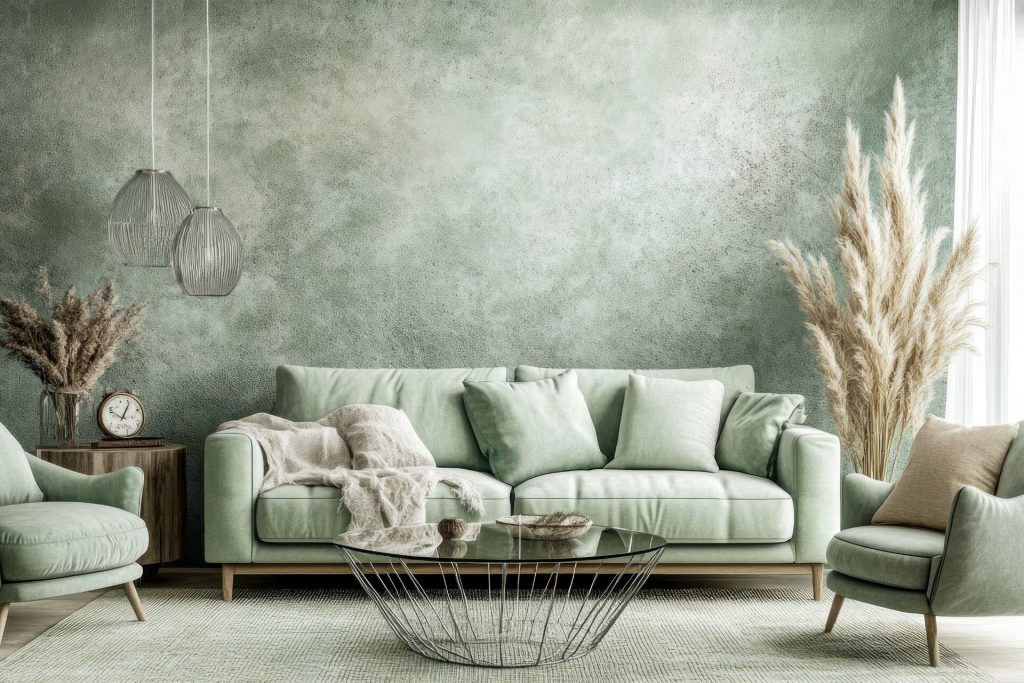
French wash, also known as colour wash or lime wash, creates a muted, textured wall with gentle variations in colour. This technique works particularly well in traditional, shabby-chic, or rustic-inspired interiors, adding warmth and charm.
To create a French wash at home, mix paint with water or a specialized lime wash product to produce a translucent glaze. Apply it with a large brush or sponge in random, overlapping strokes to build soft layers. For added texture, crumple a rag or sponge and lightly dab the wall while it is still wet. A matte varnish or wax will seal the finish for longevity. French wash is perfect for bedrooms, dining areas, or any space where a subtle, hand-crafted feel is desired.
Stucco and sand plaster – rustic, textured walls
Stucco and sand plaster provide a natural, earthy texture reminiscent of Mediterranean or coastal interiors. This finish is tactile, with a slightly rough surface that adds character and depth.
Mix plaster with fine sand to create texture, then apply it with a trowel using sweeping, irregular motions to produce peaks and valleys. Let the plaster dry slightly, then gently sand or scrape areas to soften the effect. A tinted lime wash can be brushed over for extra color variation. This technique works beautifully on accent walls, feature fireplaces, or rustic kitchens.
Tadelakt – Moroccan-inspired elegance
Tadelakt is a luxurious Moroccan plaster technique traditionally used in bathrooms and wet areas. It produces a highly polished, water-resistant surface with subtle colour variations.
Tadelakt requires a lime-based plaster and natural soap for burnishing. Apply several thin coats, then compress and polish the surface with a smooth stone or trowel. Rub a natural soap solution into the wall to enhance waterproofing and shine. Tadelakt is perfect for spa-like bathrooms, shower walls, or other areas where a sophisticated, tactile surface is desired.
Metallic and pigmented plasters – contemporary flair
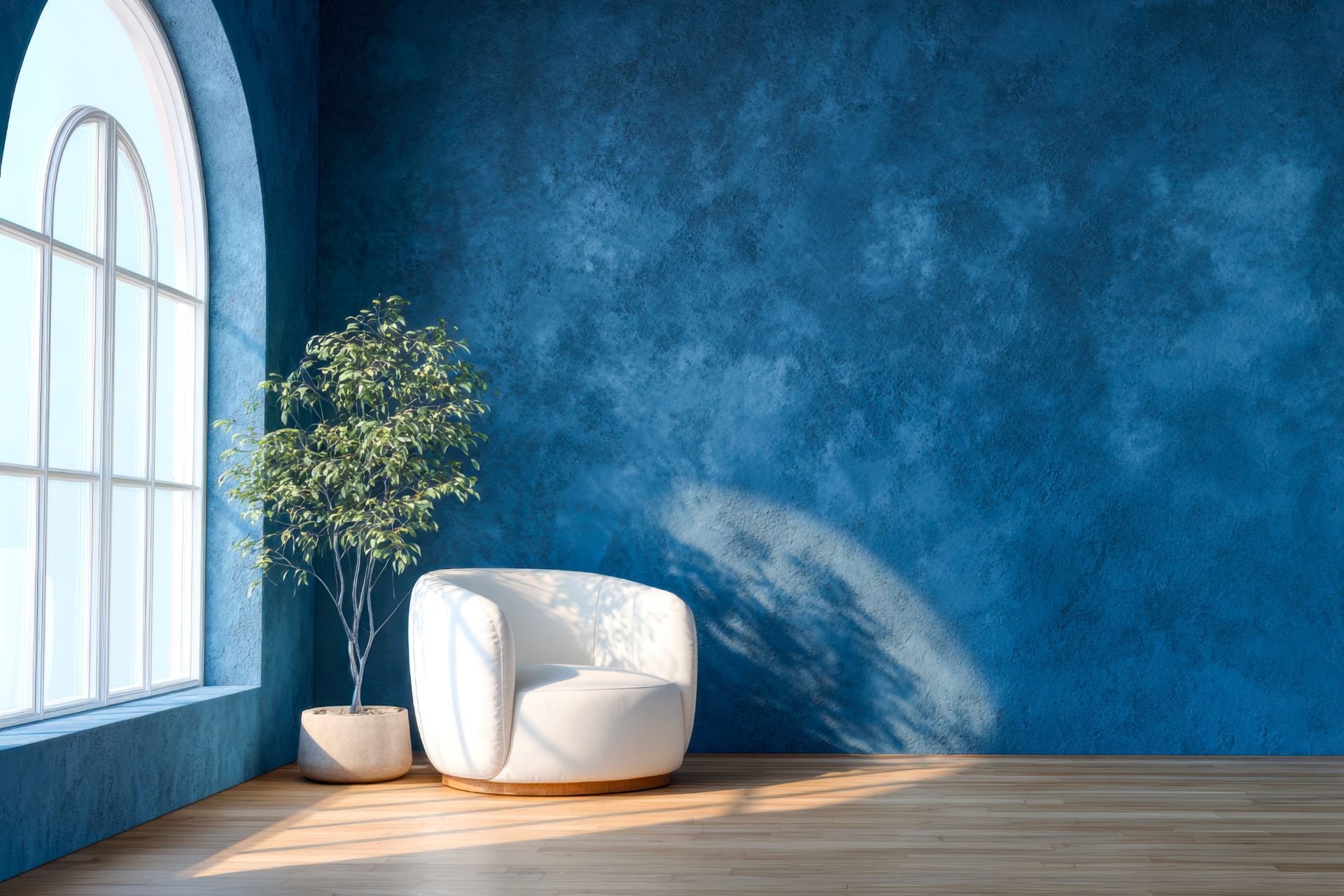
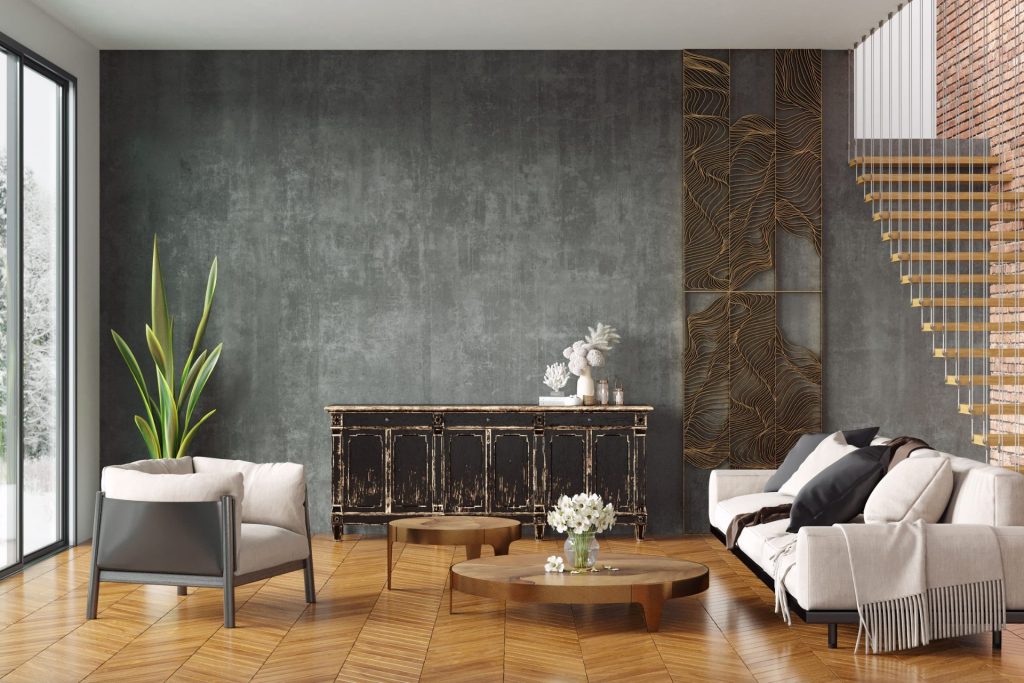
Modern plastering trends embrace colour and metallic finishes. Pigmented Venetian plaster or metallic plaster creates a dramatic focal point, reflecting light in interesting ways and adding sophistication to modern interiors.
Add pigments to your plaster mix or finish with metallic waxes once the plaster is dry. Apply with a trowel or sponge to achieve subtle movement and depth. Layering translucent glazes can intensify the effect. These finishes are ideal for feature walls, hallways, or spaces where you want a bold, statement-making look.
Tips for DIY plastering success
Successful plastering begins with preparation. Walls should be clean, dry, and primed for proper adhesion. Start with a small area to practice your technique before attempting an entire wall. Most plaster effects rely on building thin layers rather than one thick coat, so patience is key. Tools also matter—trowels, sponges, and brushes all produce different textures. Finally, sealing your work with wax, varnish, or a suitable sealant will protect the surface and enhance its appearance.
Plastering is both an art and a craft, offering endless opportunities to customize your home. Whether you prefer the polished elegance of Venetian plaster, the soft nuance of French wash, or the tactile beauty of stucco, these finishes bring personality, depth, and a touch of luxury to any interior space.