How to create a tonal colour scheme

A tonal colour scheme is one of the simplest ways to create a serene and inviting home. Neutral interiors feel timeless and tranquil. They also let you refresh your look without a complete overhaul. By layering varying shades of the same colour and adding texture, you can craft a space that feels warm rather than bland. Bold accessories can inject energy without overwhelming the room.
Start with a neutral foundation
A tonal scheme starts with a base of neutral hues. Whites, creams, soft greys, taupe, beige, and warm earth tones all work well. These tones reflect light and make rooms feel spacious. They also provide a sense of harmony that fits both modern and traditional homes.
Instead of using one single colour, choose several tones from the same family. A warm white wall can sit alongside a sandy sofa and a deeper beige rug. This layered approach keeps the space interesting while still feeling calm. When colours are close in tone, the eye moves easily around the room and the space feels cohesive and restful.
Build depth with texture
Texture is essential in a neutral interior. Without it, a tonal scheme can look clinical or plain. Soft furnishings are one of the easiest ways to add depth. Cushions, throws, and upholstered pieces introduce variation without changing the colour palette.
Mix different materials to create contrast. Linen, wool, cotton, leather, and boucle all bring their own character. A chunky knit throw on a smooth fabric sofa adds warmth. A woven cushion beside a velvet one creates subtle interest. These small details make a room feel layered and comfortable.
Rugs also play an important role. A textured rug grounds the furniture and makes the space feel complete. Natural fibres such as wool, jute, and sisal work well in neutral schemes. They add warmth and help soften hard flooring. In living rooms and bedrooms, a rug can make the space feel more inviting.
Use bolder accessories for energy
Neutral interiors do not have to feel quiet. Bold accessories can add personality while keeping the overall look balanced. The key is to use colour in smaller pieces rather than large surfaces.
Cushions, vases, artwork, and decorative objects are good places to introduce stronger tones. Deep green, navy, terracotta, or rust sit well with neutral backgrounds. Because the base colours are soft, these accents stand out without feeling overwhelming.
Changing accessories is also an easy way to refresh a room. A new set of cushions or a different throw can shift the mood from season to season. This keeps the space feeling current while the main furniture stays the same.
Layer tones for a cosy feel
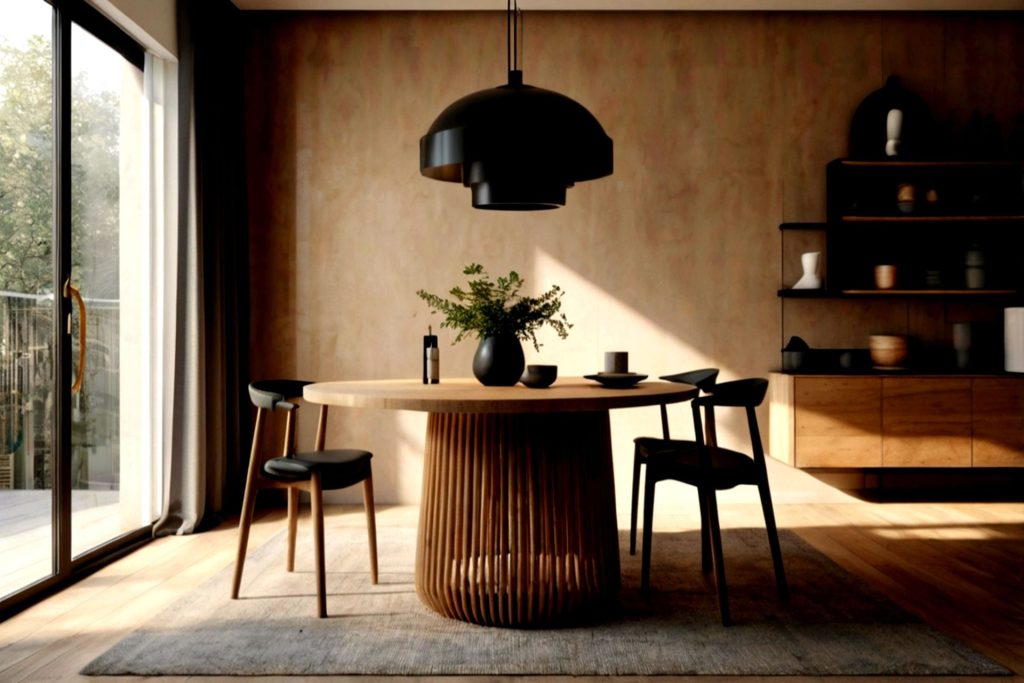
A welcoming home often comes from layering rather than matching. Combine light, medium, and darker shades within the same palette. A pale sofa can sit with darker cushions. A mid-tone rug can sit under a light timber table. This contrast adds depth while keeping the scheme unified.
Lighting also affects how tones appear. Warm lighting works best with neutral colours because it softens the overall look. Table lamps and floor lamps and wall sconces help create a relaxed atmosphere in the evening. This makes the room feel more comfortable than when just relying only on overhead lights.
Keep the look natural and relaxed
Tonal interiors work best when they feel effortless. Choose materials that look natural and are easy to live with. Timber, stone, wool, and linen all suit this style. These finishes age well and add character over time.
Avoid filling every space. Leaving room around furniture helps the colours and textures stand out. A simple arrangement often feels more luxurious than a crowded one.
A timeless approach to décor
A neutral tonal scheme creates a home that feels calm, cosy, and flexible. Texture keeps the look warm. Rugs, cushions, and throws make the space feel inviting. Bold accessories add life without taking over the room.
This approach allows you to change details over time while keeping a strong foundation in place, for a space that feels stylish and comfortable every day.