Emerging trends from New Zealand Design Week

New Zealand Design Week 2026 offered a clear snapshot of where our homes are heading. Across a packed programme of talks and exhibitions, architects, designers, and makers shared a common message. Homes are becoming more personal, grounded in nature, and focused on how people actually live.
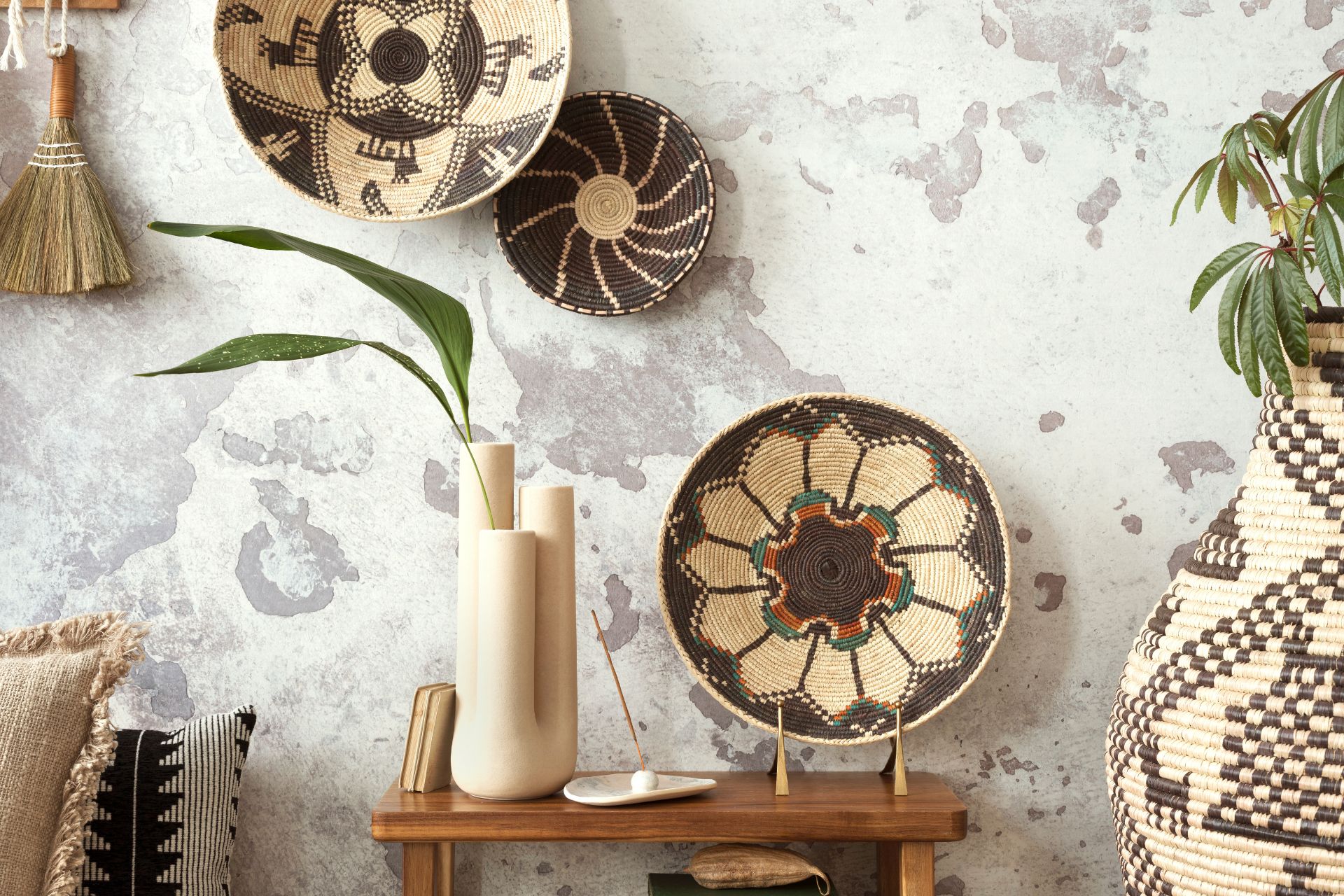
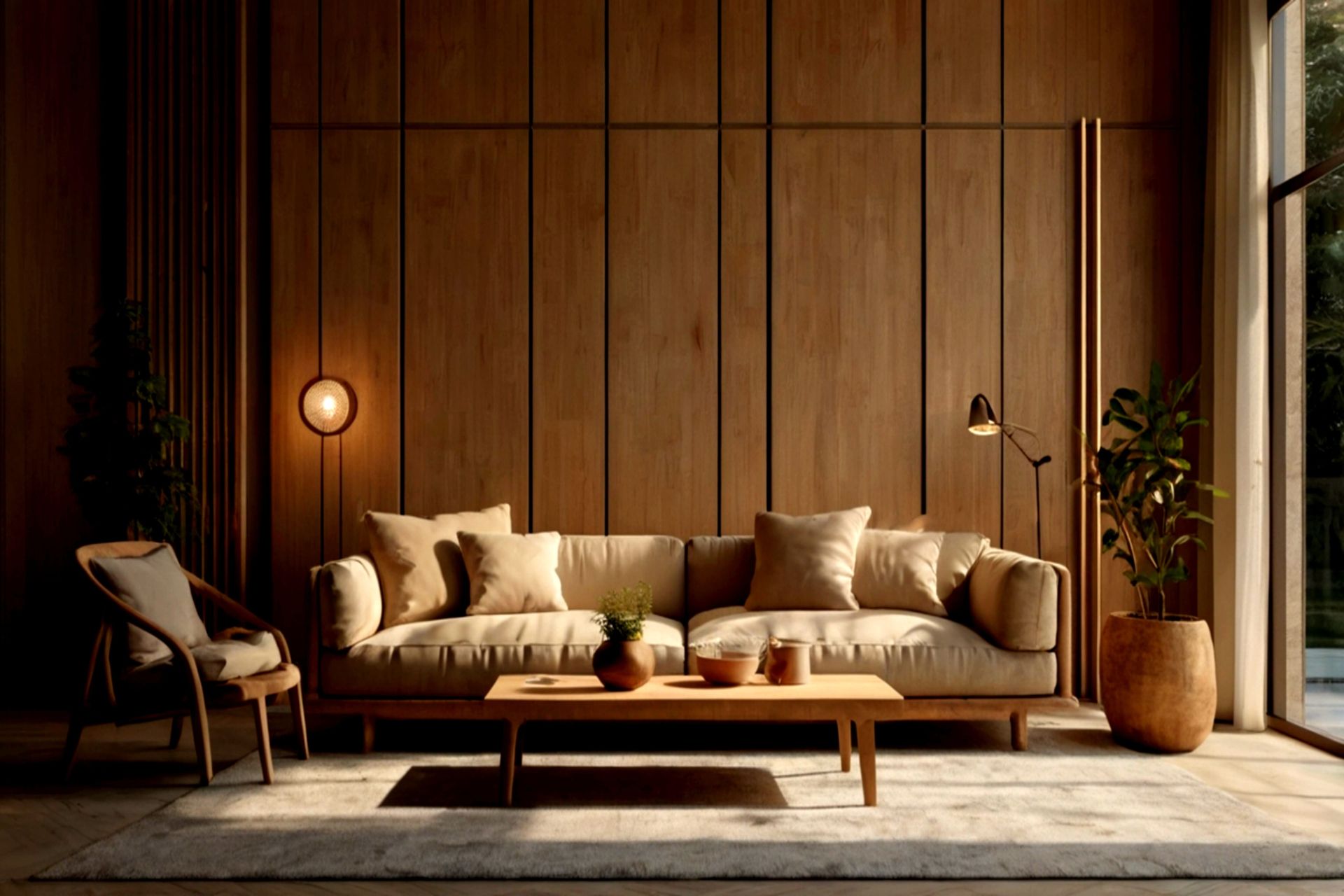
One of the most noticeable shifts is the evolution of minimalism. The stark white interiors of previous years are giving way to something softer and more inviting. Warm neutrals now dominate, with clay tones, muted greens, and gentle greys creating spaces that feel calm and comfortable. Texture plays an essential role, with timber grain, stone, and woven materials adding tactile layers.
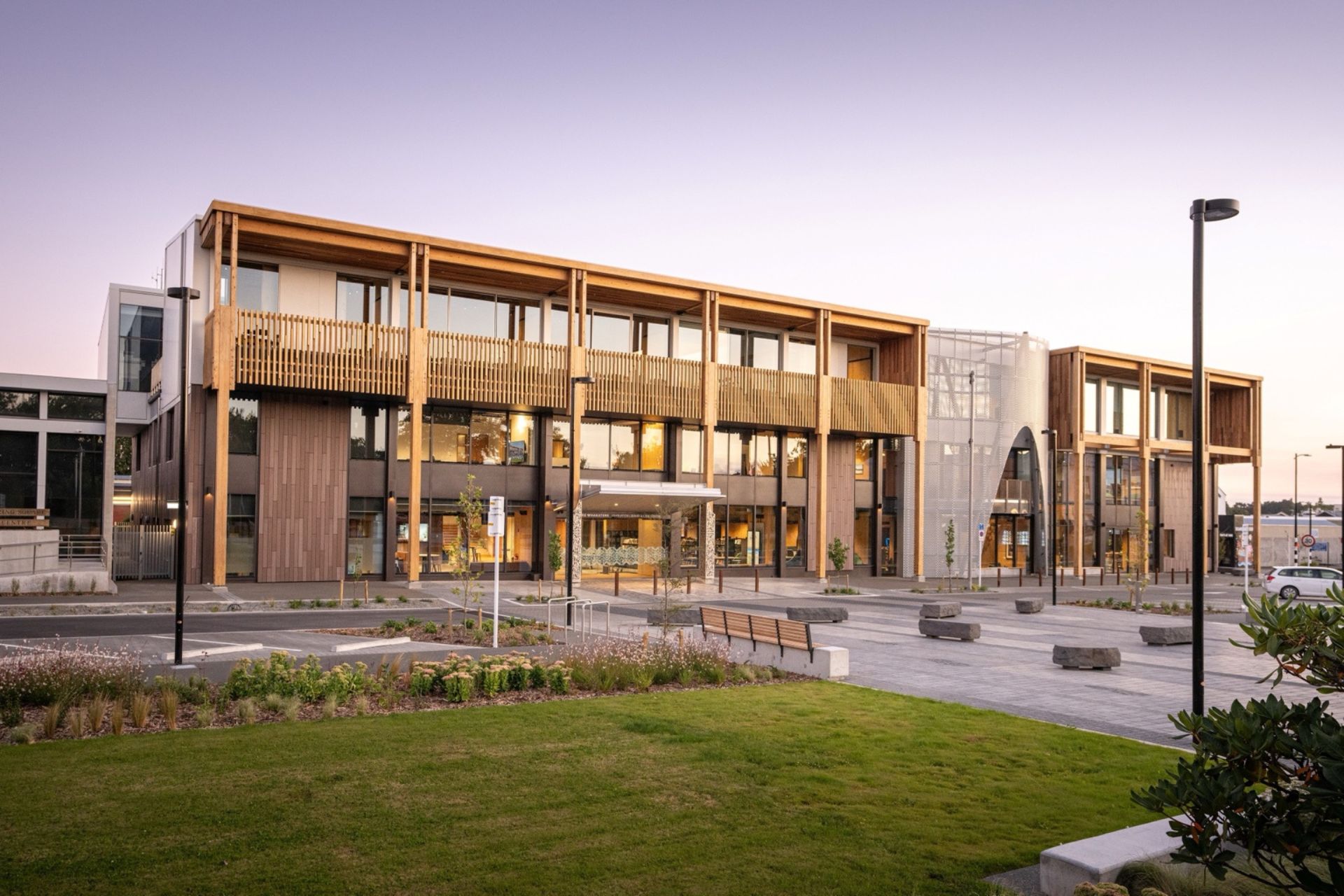
That move toward natural materials was evident throughout the week. Designers are returning to timber, brick, plaster, and stone, not just for the aesthetic appeal, but for their ability to age gracefully. There is a growing appreciation for materials that feel authentic and develop character over time, rather than those that aim to look perfect.
Functionality is also shaping design decisions more than ever before. Kitchens have become larger and more practical, often supported by sculleries and generous storage. Living spaces offer increased flexibility with space to adapt, reflecting the reality of hybrid work and busy family life.
Performance is now part of the design conversation from the outset. Better insulation, high-quality glazing, and efficient heating systems are now essential considerations for comfort and health. The focus is on creating homes that feel comfortable year-round, with less reliance on artificial heating and cooling.
At the same time, there is a clear move away from one-size-fits-all design. Personalisation has become a priority, with homeowners choosing finishes and materials that reflect their own lifestyles and preferences. Designers are encouraging clients to move beyond trends and create spaces that feel like their own.
Lighting is another area receiving more attention. Rather than relying on a single overhead source, designers are layering light to create both mood and function. A combination of ambient, task, and accent lighting allows spaces to shift throughout the day, while statement fixtures add a sense of character.
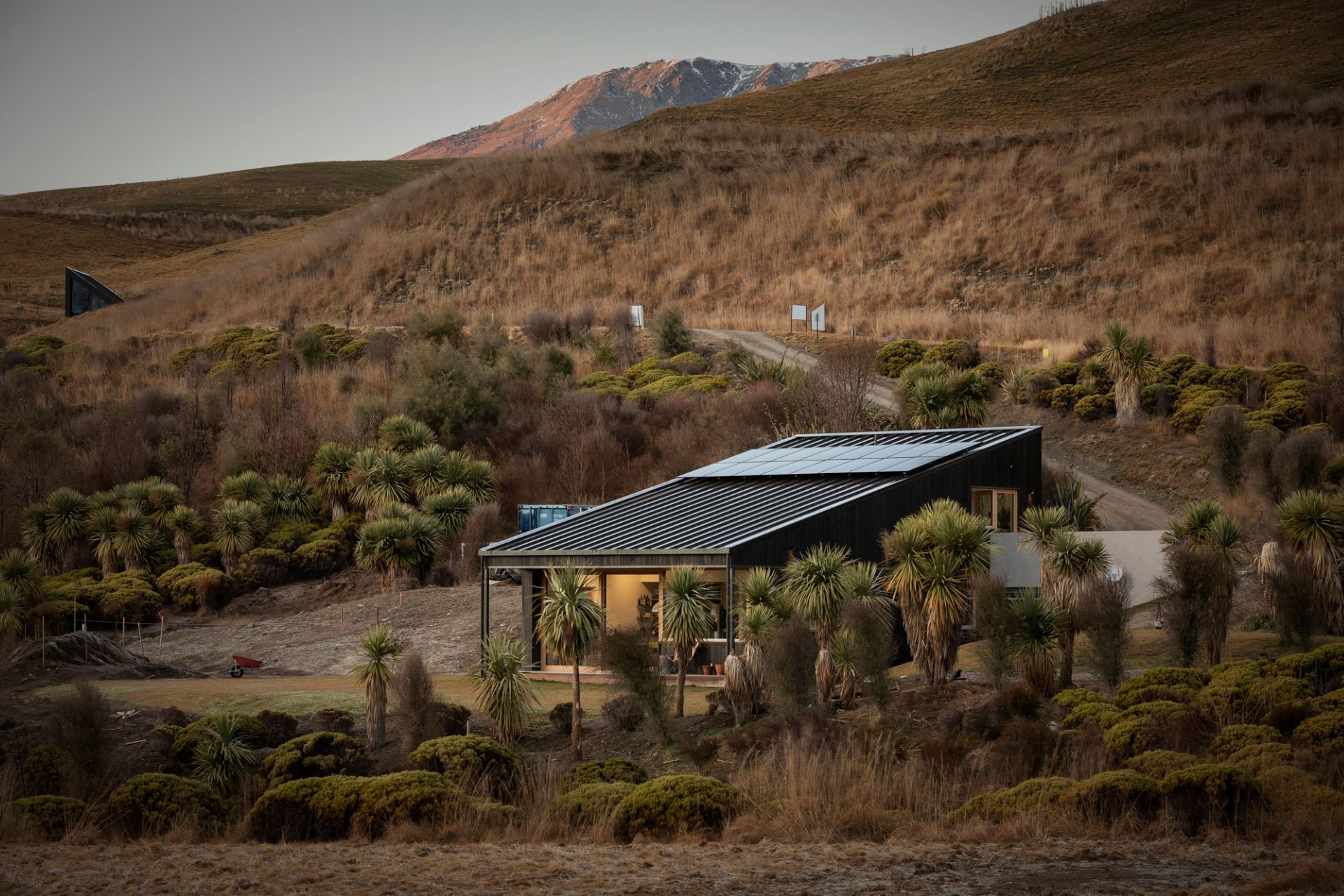
The connection between indoors and outdoors remains a defining feature of New Zealand homes. Large openings, access to natural light, and considered outdoor living areas continue to be key. Even in smaller homes, designers are finding ways to bring nature inside through planting, materials, and colour.
Sustainability also continues to shape decision-making. Durable materials, thoughtful sourcing, and a focus on longevity are now standard considerations. Renovation projects are placing more emphasis on reusing and restoration rather than starting from scratch.
Running through all of these ideas is a quieter approach to luxury. It is less about display and more about quality. Well-crafted details, natural materials, and careful design choices create spaces that feel considered and enduring.
If there was one takeaway from this year’s event, it is that good design is no longer just visual. It is about creating homes that feel right, perform well, and support everyday life in a meaningful way.