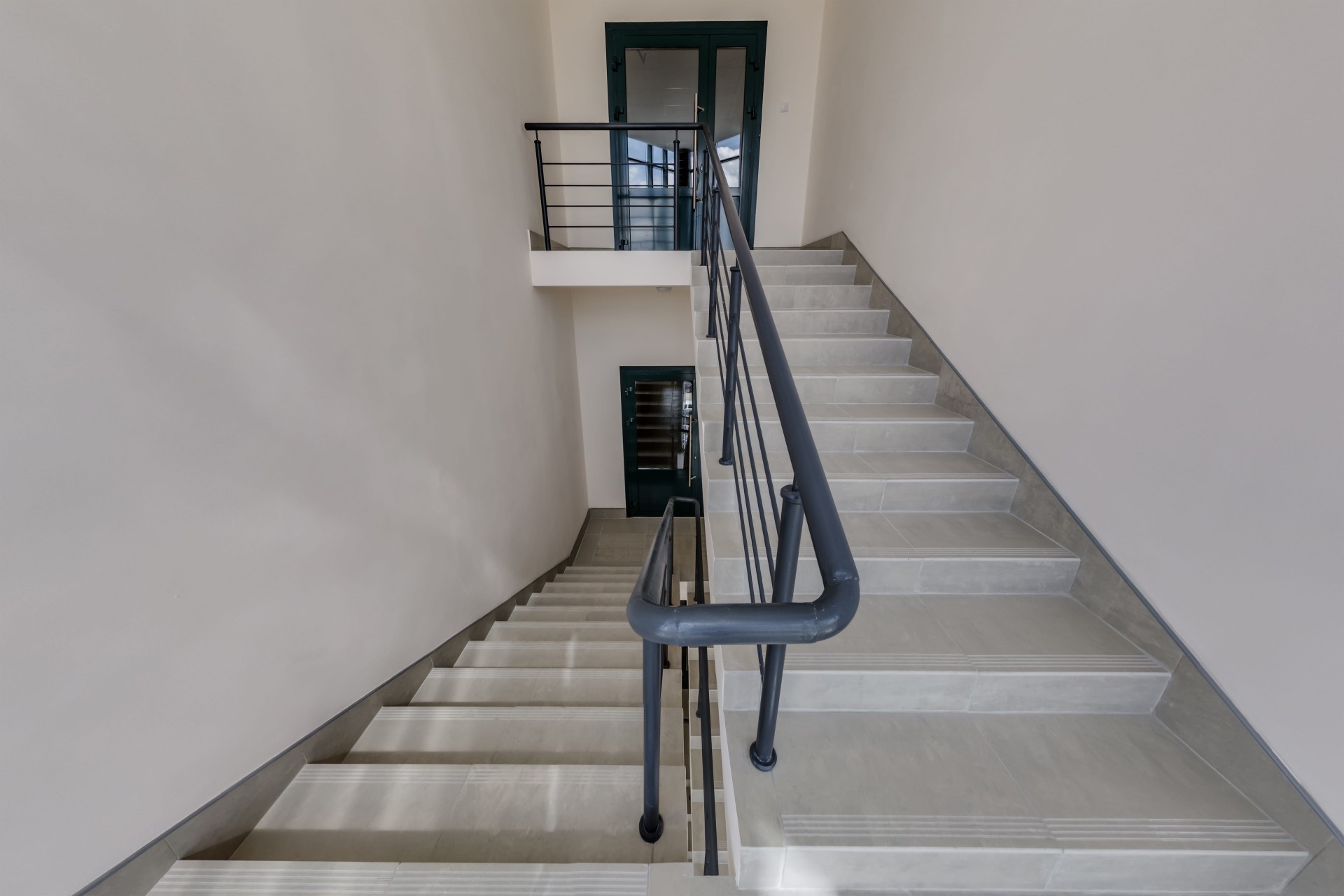
Designing with escape routes in mind

Increased housing intensification mustn’t compromise safe evacuation routes. Recent updates to C/AS1 guidance, along with ongoing BRANZ research, place renewed focus on how external escape routes are designed.
In the past, most standalone homes were assumed to provide a straightforward escape path from any exit door directly to an open area such as a street, driveway, or garden.
That assumption no longer holds in many modern developments. Tight site constraints, shared driveways, and additional dwellings built on subdivided lots often mean occupants must move past or alongside other buildings to reach a place of safety. If a neighbouring structure is involved in a fire, that route can quickly become hazardous.
Poorly planned escape paths can lead to consent delays, costly redesigns and reworks late into projects. Builders feel the impact through inspection failures and last-minute compliance queries.
The revised C/AS1 guidance sets clearer expectations around when an external safe path is required. Where a single direction of travel exists from an exit door, and no sprinkler system is installed, a compliant external escape route must be provided.
This generally means maintaining separation from adjacent fire cells, often at least 1 metre, or incorporating fire-rated construction that limits exposure to heat and flame. The intent is to avoid situations where occupants are forced to evacuate through areas exposed to an adjacent fire.
Designers ought to shift their attention beyond the building footprint itself. Site planning now plays a direct role in life safety outcomes. Building placement, boundary clearances, and shared accessways can all influence whether an escape route is acceptable under compliance documents. Early consideration of these factors reduces the risk of redesign later in the consent process.
BRANZ research shows the importance of evacuation design for people with reduced mobility, including older occupants and those with disabilities. Layouts that support horizontal movement, clear circulation paths, and simple navigation improve the likelihood of safe self-evacuation.
Designs that assume emergency services will assist every evacuation scenario place unrealistic pressure on response systems and should be avoided where possible.
Fire protection systems contribute to improved outcomes as well. Sprinklers can significantly slow fire growth, while modern alarm systems, particularly voice and visual alerts, provide clearer warning than traditional bell-only devices. These systems increase available escape time and improve occupant response.
The key shift for contractors is that external escape routes must be treated as part of the overall building design and site layout, not an afterthought. Coordination between design teams, builders, and consenting authorities early in the process helps ensure routes are both compliant and practical in real-world conditions.
As residential density continues to rise, careful planning of external evacuation paths will remain central to delivering housing that meets both regulatory requirements and basic safety expectations.