How to create a Nordic garden

Nordic gardens embody simplicity, resilience and a profound respect for nature. Inspired by Scandinavian landscapes, the style is well-suited to New Zealand’s cooler regions while also providing a captivating design lens to view garden design.
And it’s not all about overly manicured perfection. At its heart, Nordic design focuses on calm, durability and a natural approach that evolves with the changing seasons.
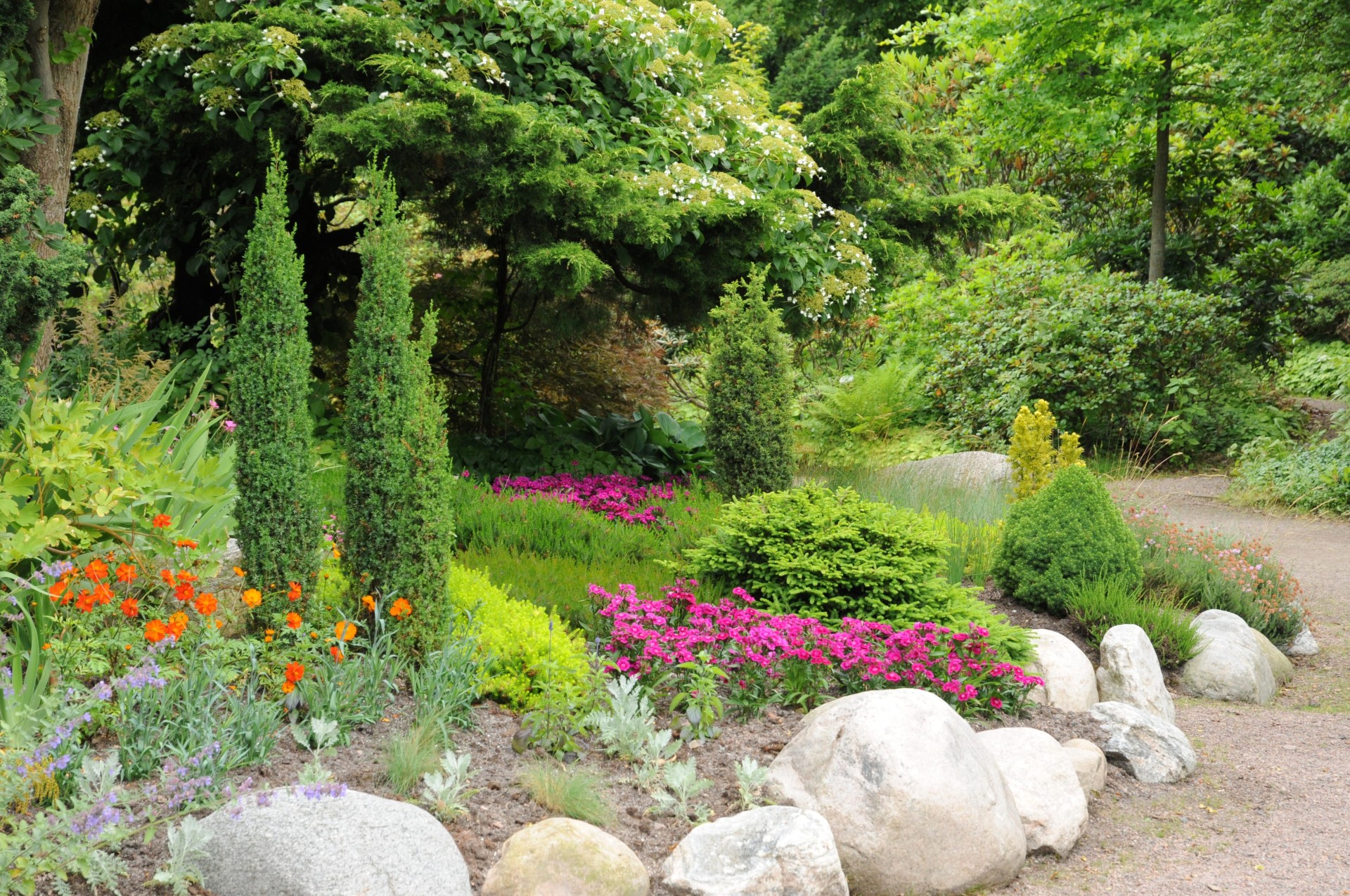
Nordic garden design is a strong, uncluttered structure. Layouts are typically clean and intentional, using straight lines or gentle curves rather than intricate patterns. Hard landscaping plays a key role, often featuring gravel paths, timber decking, and large stone elements. Materials should feel raw and honest. Think untreated wood, concrete and natural stone.
Keep the layout minimal. Instead of filling every corner, allow space to breathe. Empty areas are just as important as planted ones, helping to create a sense of calm and balance. Raised beds or simple geometric planting zones can help define the space without overwhelming it.
Nordic gardens rely on plants that can withstand cold, wind, and seasonal variation. You can replicate this look with species that are similarly robust. Evergreens provide year-round structure, while grasses and perennials add softness and movement.
Consider incorporating plants like birch trees for their pale bark, ornamental grasses for texture, and low-maintenance shrubs. Native species can also work beautifully, especially those that tolerate frost and poor soils. The goal is not bright, showy colour but a restrained palette of greens, silvers, and muted tones.
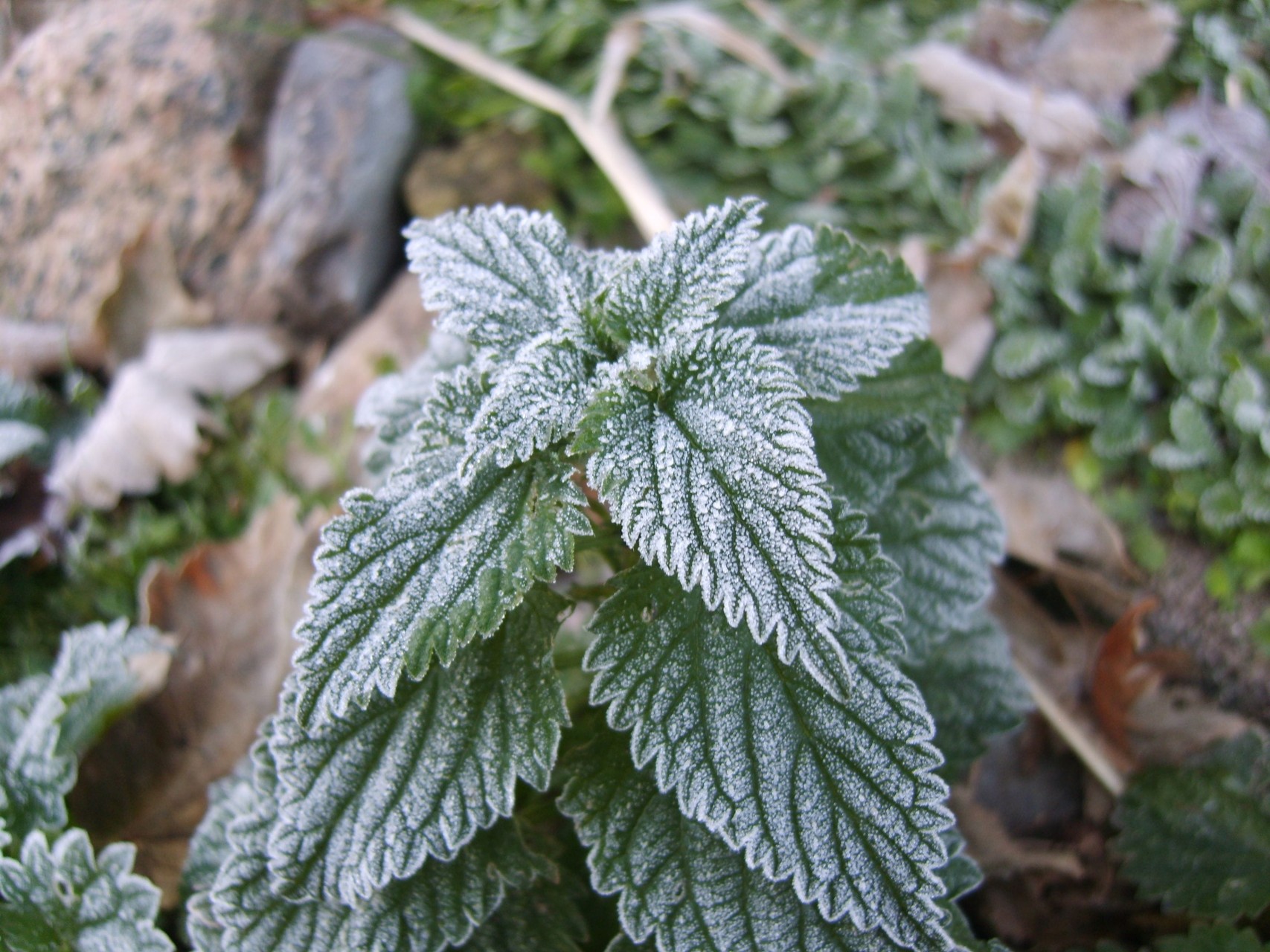
Seasonality is important. A Nordic garden should look different throughout the year, embracing bare branches in winter and fresh growth in spring rather than trying to maintain constant lushness.
Without relying heavily on colour, Nordic gardens create interest through texture and contrast. Pair fine, wispy grasses with solid stone features. Contrast smooth concrete with rough timber, or soft moss with sharp-edged pavers.
Layering is key. Use groundcovers, mid-height plants, and taller structural elements to build depth while keeping the overall look cohesive. Even in a small space, thoughtful layering can create a rich, immersive environment.
Outdoor living is central to Nordic culture, even in colder climates. Your garden should include spaces that invite use year-round. A simple timber bench, a fire pit, or a sheltered seating area can transform the garden into a functional extension of the home.
Lighting is also important. Soft, warm lighting enhances the atmosphere during darker months and highlights key features without overpowering the natural aesthetic.
A defining principle of Nordic gardens is working with nature rather than against it. Avoid over-pruning or forcing plants into rigid shapes. Allow natural forms to develop, and embrace imperfections. Weathering is part of the charm.
Timber will fade, metal may patina, and plants will shift over time. These changes add character and authenticity to the space.
Nordic gardens are designed to be practical. Choose plants that require minimal intervention and group them according to their needs. Mulching, gravel ground cover, and dense planting can help suppress weeds and retain moisture.
Rather than constant upkeep, focus on occasional, purposeful maintenance; cutting back in the right season, refreshing gravel, or replacing a plant when needed.
Reflecting both the rugged beauty of the north and New Zealand’s unique conditions, Nordic gardens create a zen, grounding oasis.