Winter: when gardens are made

The cold months are when New Zealand gardens are really made. There’s a temptation, somewhere around the first hard frost, to shut the back door and leave the garden to fend for itself until spring. Resist it. Winter isn’t the off-season. It’s when the bones of the garden are set, and the choices made now shape what the next spring looks like. Growth above ground slows, but the work below it continues.
Many of New Zealand’s most productive crops and ornamental plants are established during the coldest months of the year. Bare-root fruit trees, roses and hedging plants are lifted and sold during dormancy, while garlic is traditionally planted around the shortest day and harvested near the longest. Winter is when soil systems are rebuilt, drainage is corrected and planting spaces are prepared so spring arrives into a functioning garden rather than a starting point.
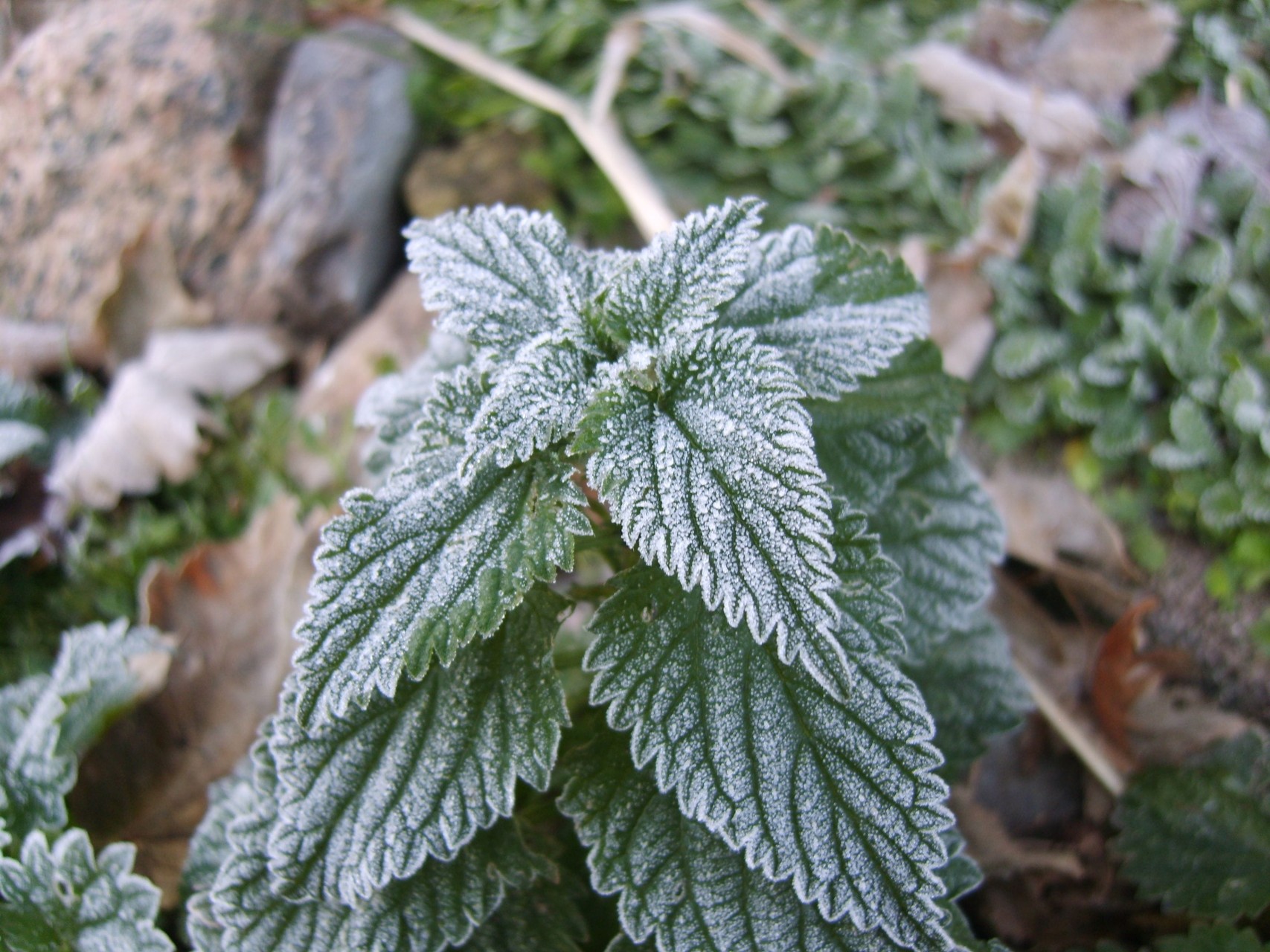
Start with the soil, because everything depends on it. Cold, wet South Island winters are tough on exposed ground, so covering and feeding it is the first priority. Compost and well-rotted manure should be dug through vegetable beds and left for winter weather to finish the work. A hard frost does one of the few useful structural jobs a Canterbury winter can do, breaking heavy clay into a finer, more friable crumb by spring. Where beds sit empty, sow a green crop such as mustard, lupin or oats, or apply mulch. Bare soil loses structure and nutrients in winter rain; covered soil protects both and allows biological activity to continue beneath the surface.
Winter is also pruning season, made possible by dormancy. With deciduous plants fully leafless, their structure is exposed and easier to read. Roses are cut back hard, removing dead and crossing wood to reset the framework for spring growth. Pip and stone fruit—apples, pears, plums and the like—are pruned now too, along with grapes and currants. Clean, sharp tools matter: sharpen and clean secateurs and loppers before starting, and wipe blades between plants if disease is present. A clean cut heals faster and reduces disease pressure, while pruning improves airflow and sets plants up for stronger growth once temperatures rise.
This is also bare-root planting season, one of the most practical and cost-effective windows in the gardening calendar. Roses, fruit trees, deciduous ornamentals and hedging are lifted and sold without soil, allowing them to be planted directly into the ground while dormant. They cost less than container-grown stock, travel more easily, and establish quickly because they are not adjusting from pot-bound conditions. It is a natural window for larger projects: rows of fruit trees, boundary hedging, or filling gaps that have been waiting for the right timing.
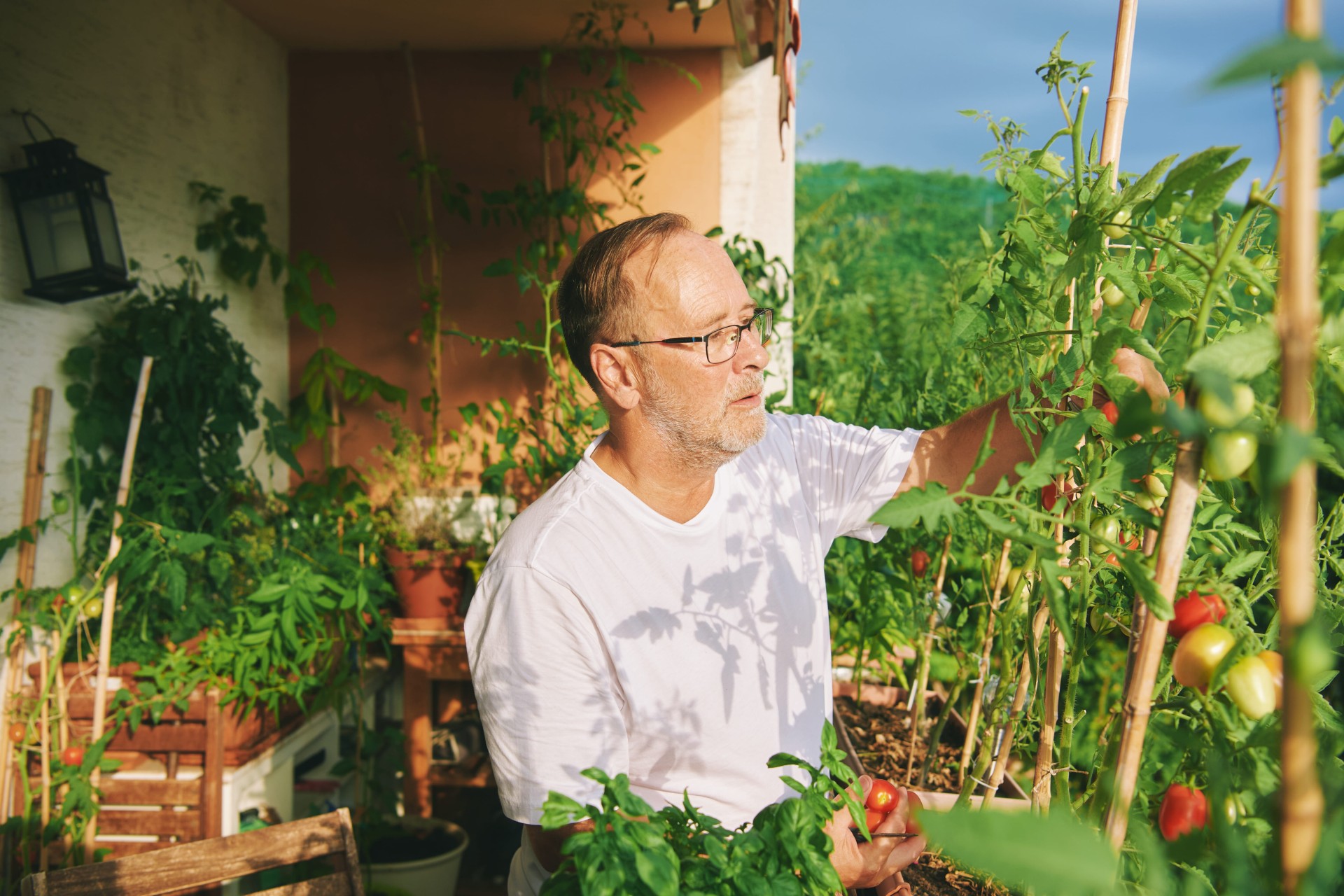
The vegetable garden does not stop. Winter is a productive period for cool-climate crops. Brassicas such as cabbage, broccoli, cauliflower and kale continue cropping through winter, alongside leeks, spinach, silverbeet and the last of the onions. Raised beds are worth the effort in a wet winter because they drain faster and warm sooner, an advantage that increases further south.
Not everything wants to be out in it. Citrus in particular feels the cold, so feeding lemons and limes and protecting young trees from frost makes a measurable difference. Frost cloth on clear nights, pots moved against warm north-facing walls, and mulch over the root zone reduce stress. Watering is best avoided late in the day, as wet soil combined with still, clear nights accelerates frost damage. A glasshouse, or even a sunny indoor space, is useful for raising seedlings for spring.
Then there are the jobs that are about readiness. Tools should be cleaned, sharpened and oiled before damp conditions take hold. Glasshouse panes should be washed to maximise low-angle light. Lawns should not be walked on when frosted, and drainage issues should be addressed while winter rain makes problem areas obvious.
None of this is glamorous, and most of it happens in gloves and a beanie. The message across horticultural practice is consistent: winter is less about visible growth and more about preparation. Soil improvement, pruning, planting and maintenance shape how strongly the garden responds when temperatures rise.
A garden is not made in the week the roses open. It is made in the quiet months before, in the steady work of shaping soil, plants and structure. Do that work now, and spring simply arrives. Skip it, and spring becomes a season of catching up.