Summer vege garden guide for New Zealand, from planting to picking

Most of what goes right or wrong in a summer garden comes down to timing. Plant too early and seedlings sit still in cold soil.
Water every evening and roots stay shallow. Leave the picking for a week and the courgettes turn into marrows.
The season has three jobs. Get the crops in when the ground is ready, keep them going through the heat, then keep picking and resowing so the beds produce until autumn.
Plant when the soil is ready
Go by a soil thermometer rather than the calendar. A basic one costs under $15 at the hardware store.
Take the reading about 5 to 10cm down, in the morning before the sun has warmed the ground. That matters most in inland Canterbury and Otago, where a late frost can arrive well after the North Island has planted out.
Yates says beans do best sown once the soil is consistently above 20°C, and Kings Seeds suggests planting tomato seedlings out in October and November, once the frosts are over. Until then, keep seedlings in pots somewhere sheltered and bright.
Give the space to what you’ll actually eat. Salad leaves, herbs, beans, cherry tomatoes and courgettes all taste better fresh and cost more to buy. Maincrop potatoes and onions take up a lot of bed for a cheap supermarket return.
Keep the numbers small, too. One courgette plant will keep two people going for most of the summer, and two or three tomato plants are plenty for a couple.
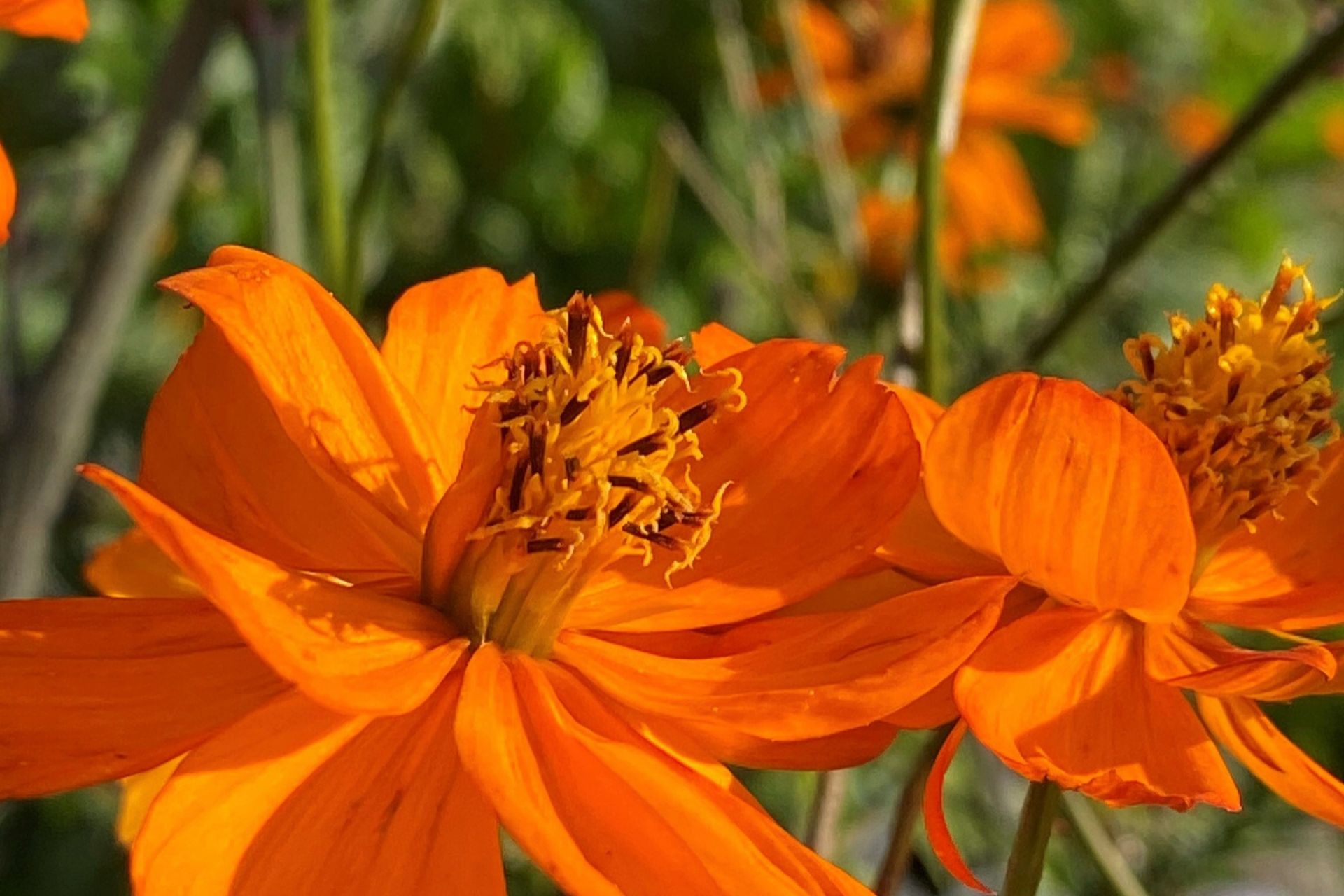
Flowers go in at the same time. Sunflowers, nasturtiums, snapdragons and Californian poppies can be sown straight where they’re to grow. Zinnias, petunias and poppies flower fast from seedlings, which helps if you want colour by Christmas.
Get through the heat
The instinct in a dry spell is to water more. That can work against the garden.
“Overwatering plants can do as much damage to the health of plants as not enough water,” says Tui’s water saving guide. A garden kept damp is more prone to root rot, blackspot and mildew, Tui says.
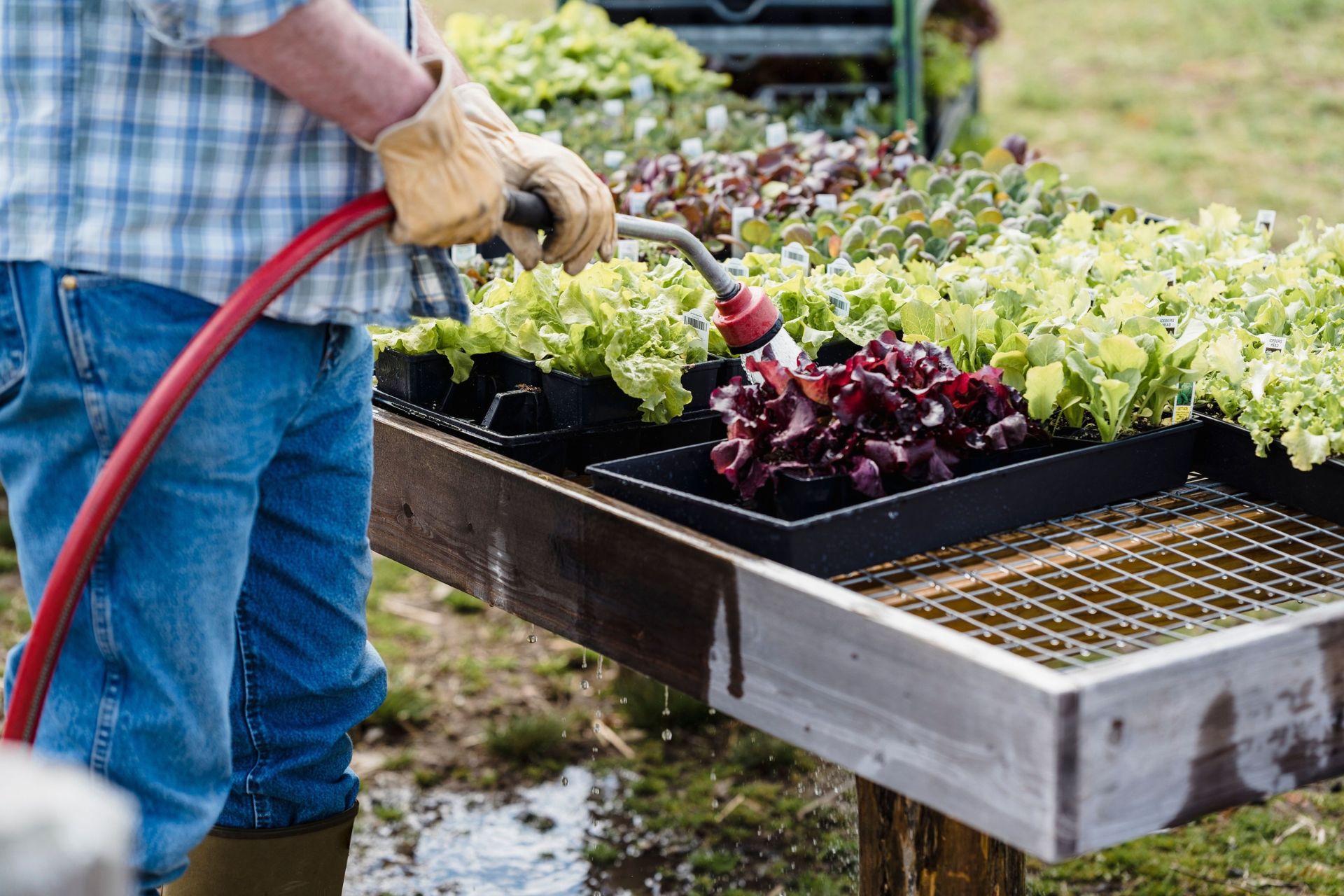
So, water deeply a couple of times a week instead of a sprinkle every evening, and do it in the morning so leaves dry before nightfall. Pause the tap timer when rain is forecast. New plantings are the exception, because their roots are still close to the original root ball.
Pots dry out quickly too, so check them every day or two when it’s hot and windy. Collecting rainwater in a tank or barrel takes the pressure off the hose and the town supply.
Don’t leave soil bare. A layer of mulch keeps moisture in and protects the soil from evaporation and erosion. Pea straw suits vegetable beds.
It adds nitrogen as it breaks down. Lay it once the soil has warmed, though, because mulch holds the cold in as well as the damp.
Lettuce bolts in the heat, and leafy types cope better than hearting ones. Give the bed partial shade in the hottest weeks, or plant sweetcorn early on the north side so lettuce grows in its shade later in the season.
Watch the brassicas. White butterfly caterpillars strip broccoli, cabbage, cauliflower and Asian greens such as bok choy. Fine horticultural mesh or old net curtains make a good barrier, which keeps the butterflies off without spraying.
Keep picking and keep sowing
Picking often keeps plants producing. Take lettuce leaves from the outside so the centre keeps growing, and pick beans and courgettes young, which prompts the plant to set more.
Tall tomato varieties do best trained to one main stem, with the side shoots pinched out and the stem tied to a stake as it grows. Deadhead flowers for the same reason you pick beans, because a plant setting seed puts less into new flowers.
Gluts happen when everything is sown on the same weekend. Sow a short row of lettuce, rocket or radish, then another two or three weeks later. Yates recommends sowing dwarf beans every few weeks for a steady harvest rather than one big flush.
Seedlings usually come in six-cell punnets, so plan the rows in sixes. Keep a few seedlings in reserve, and when a crop finishes something can go straight into the gap.
Going away over the holidays takes a bit of preparation. Give the garden a thorough soak just before you leave, move pots into shade and group them together, and mulch anything still bare.
And when the courgettes win anyway, share them. Swap the surplus with neighbours, friends or a community crop swap, and pick up what other gardeners have too much of in return.