The benchtop buyer’s guide

Choosing the right benchtop is one of the most important decisions in a kitchen or bathroom. It shapes how a space looks and how it performs each day. For homeowners, the challenge is to balance style, durability, cost, and sustainability. New materials and evolving design trends have expanded the options. There is now a benchtop to suit almost every lifestyle.
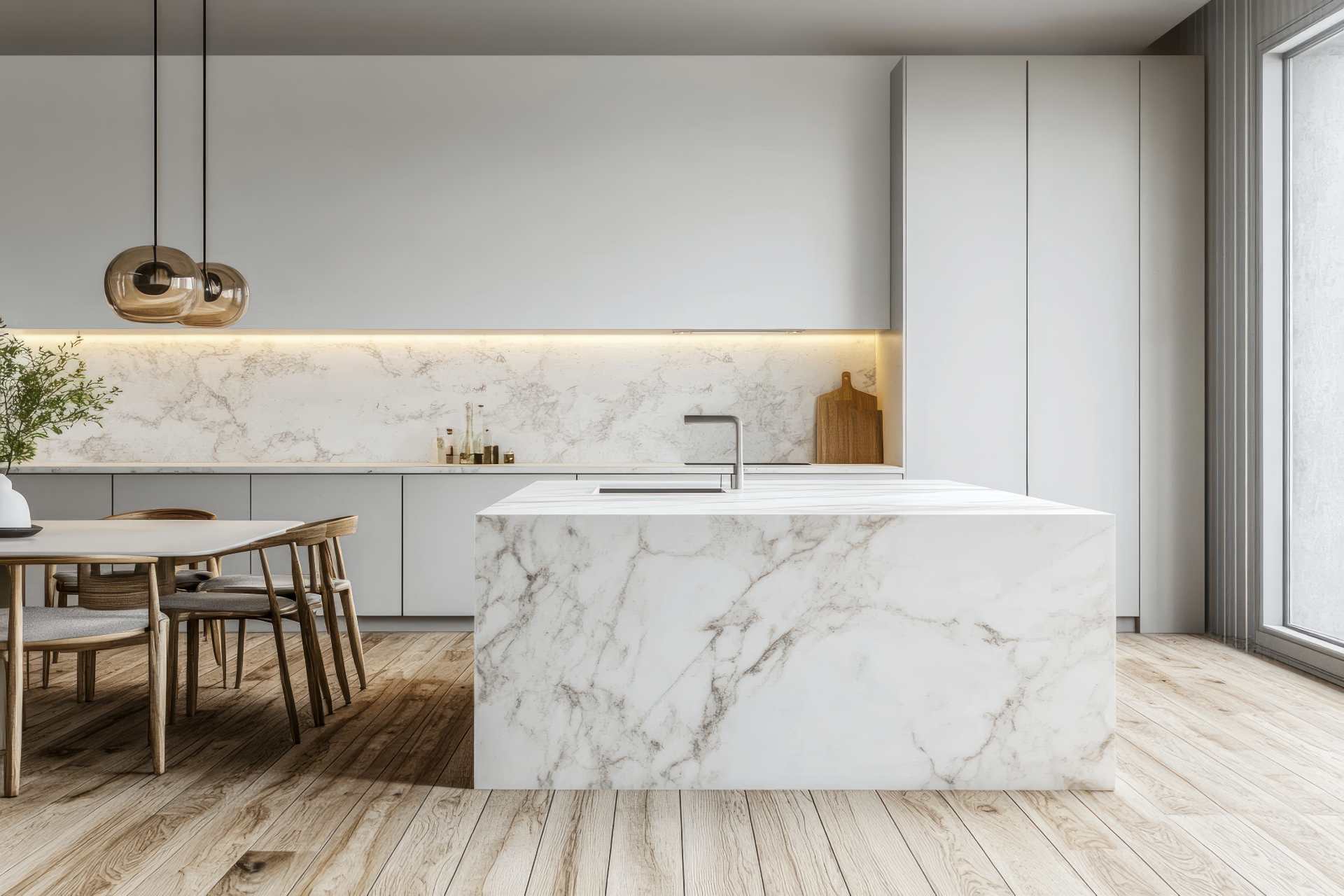
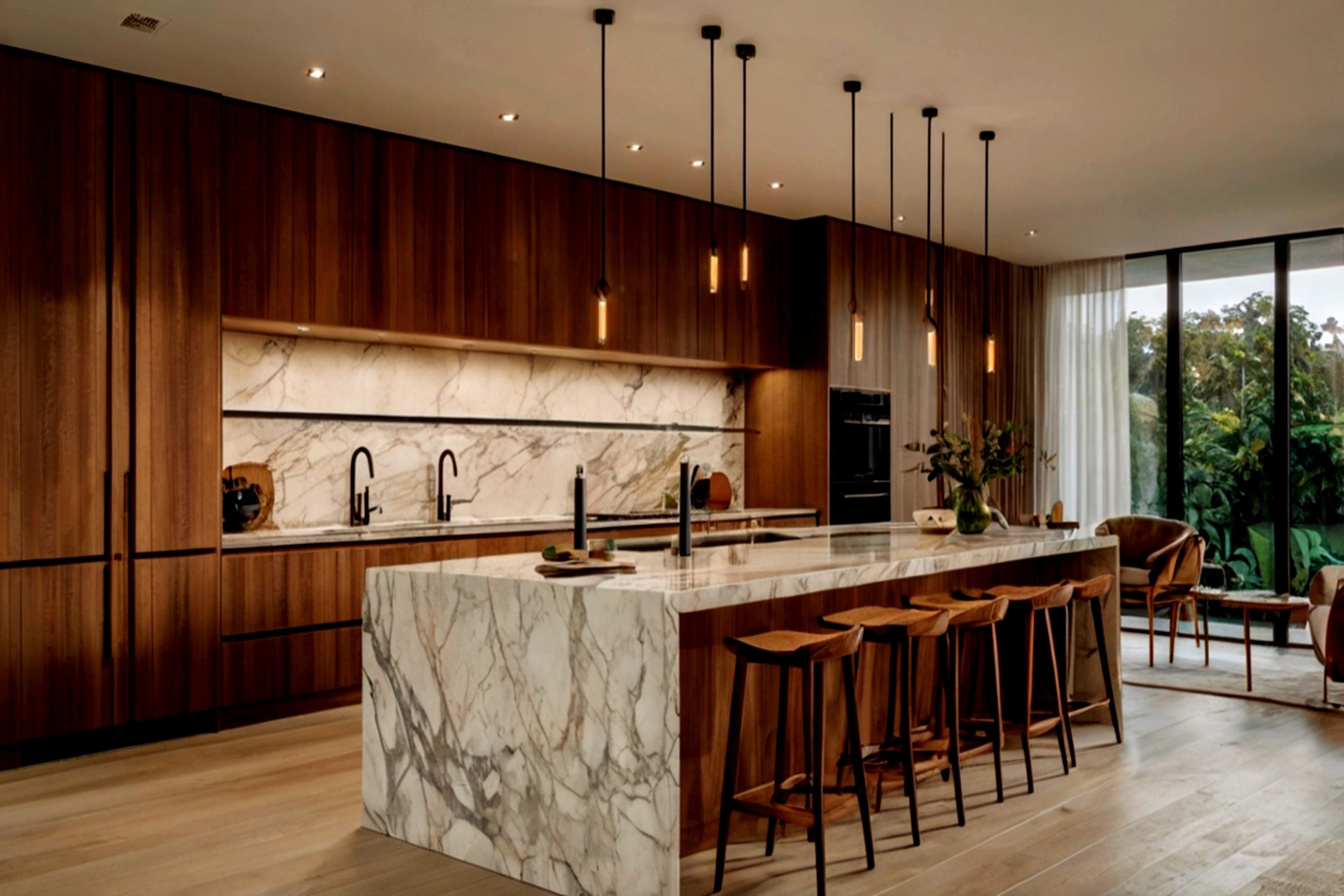
Natural marble remains one of the most sought-after choices. It offers a soft, organic look with unique veining. Each slab is different, which adds to its appeal. Carrara, Calacatta, and Statuario marbles are among the most popular varieties. However, marble is porous and can stain or etch. It requires regular sealing and careful use. Designers often recommend marble for low-traffic areas or for homeowners who value character over perfection.
Granite provides a more durable natural stone option. It is harder, less porous than marble, and more resistant to scratches and heat. Granite comes in a wide range of colours and patterns, from subtle to bold. It works well in busy kitchens where performance is a priority. While it still benefits from sealing, it is generally easier to maintain than marble.
Engineered stone has been a dominant choice for many years, made from crushed stone bound with resins for a non-porous and easy-clean surface. It resists stains and does not require sealing. Brands have expanded their ranges to mimic natural stone and marble-look finishes. In recent years, there has been a shift toward low-silica and zero-silica options. This reflects growing awareness of health and safety in manufacturing and fabrication. For homeowners, engineered stone offers a balance of durability, affordability, and design flexibility.
Ultra-compact surfaces such as Dekton are gaining popularity and are made by compressing raw minerals under high pressure and heat. The result is a very dense surface resistant to heat, scratches, and UV exposure, making it suitable for both indoor and outdoor use. Dekton is popular for its sleek, modern appearance and its ability to handle heavy use. It sits at a higher price point, but it offers long-term performance.
Porcelain benchtops are another strong contender. They share many properties with ultra-compact surfaces. They are non-porous, heat-resistant, and lightweight compared to stone. Advances in digital printing allow porcelain to replicate marble and other natural materials with impressive detail. Porcelain is ideal for creating thin, seamless surfaces. It appeals to those seeking a refined and contemporary look.
Sustainability is becoming a key factor in material selection. Recycled surfaces are now more widely available in recycled glass, plastic, or a combination of materials. These surfaces reduce waste and give new life to existing resources. They often feature flecked or terrazzo-style finishes with visual interest while supporting environmental goals. Homeowners are also considering the full lifecycle of materials, including sourcing, manufacturing, and longevity.
Timber benchtops, while less popular, offer warmth and a natural feel. Options such as oak, walnut, and bamboo are favoured. Timber works well in kitchens that aim for a softer, more lived-in look. It does require maintenance, including oiling and protection from moisture. However, it can be sanded and refinished over time.
Stainless steel is often associated with commercial kitchens, but it is finding its place in residential design. It is highly durable and hygienic. It resists heat and is easy to clean. It does show scratches and fingerprints, which may not suit every homeowner. However, it offers a sleek and functional aesthetic that aligns with modern design trends.
Budget plays a significant role in decision-making. Laminate remains one of the most affordable options. It has improved in both appearance and performance. Modern laminates can mimic stone and timber finishes with convincing detail. While it is less durable than stone, it provides a practical solution for many households.
A busy family kitchen will have different needs than a rarely used entertaining area. Maintenance, durability, and cost should all be considered, alongside design preferences.
While current trends combine beauty with resilience and sustainability, what really matters is finding the right surfaces to suit your lifestyle.