Building colour confidence

Colour has a way of changing how a home feels. It can lift a mood, define a space, and add personality. Yet many homeowners and renters remain cautious. Neutral walls feel safe. They support resale value and suit changing tastes. For others, rental agreements put a stop to any decor changes. The good news is that colour doesn’t need to be permanent to be effective.
Current design trends favour a move toward layered interiors. This approach allows colour to sit within accessories rather than fixed surfaces. It gives people the freedom to update their space without major costs or commitments.
One of the simplest starting points is your wardrobe. Designers often suggest looking at the colours you wear most. According to advice shared by Resene colour consultants, people tend to feel comfortable with colours they have already chosen for clothing. If you have deep greens or soft blues in your wardrobe, they are likely to feel right in your home. Bringing your wardrobe colours into your home creates a sense of continuity between personal style and interior space.
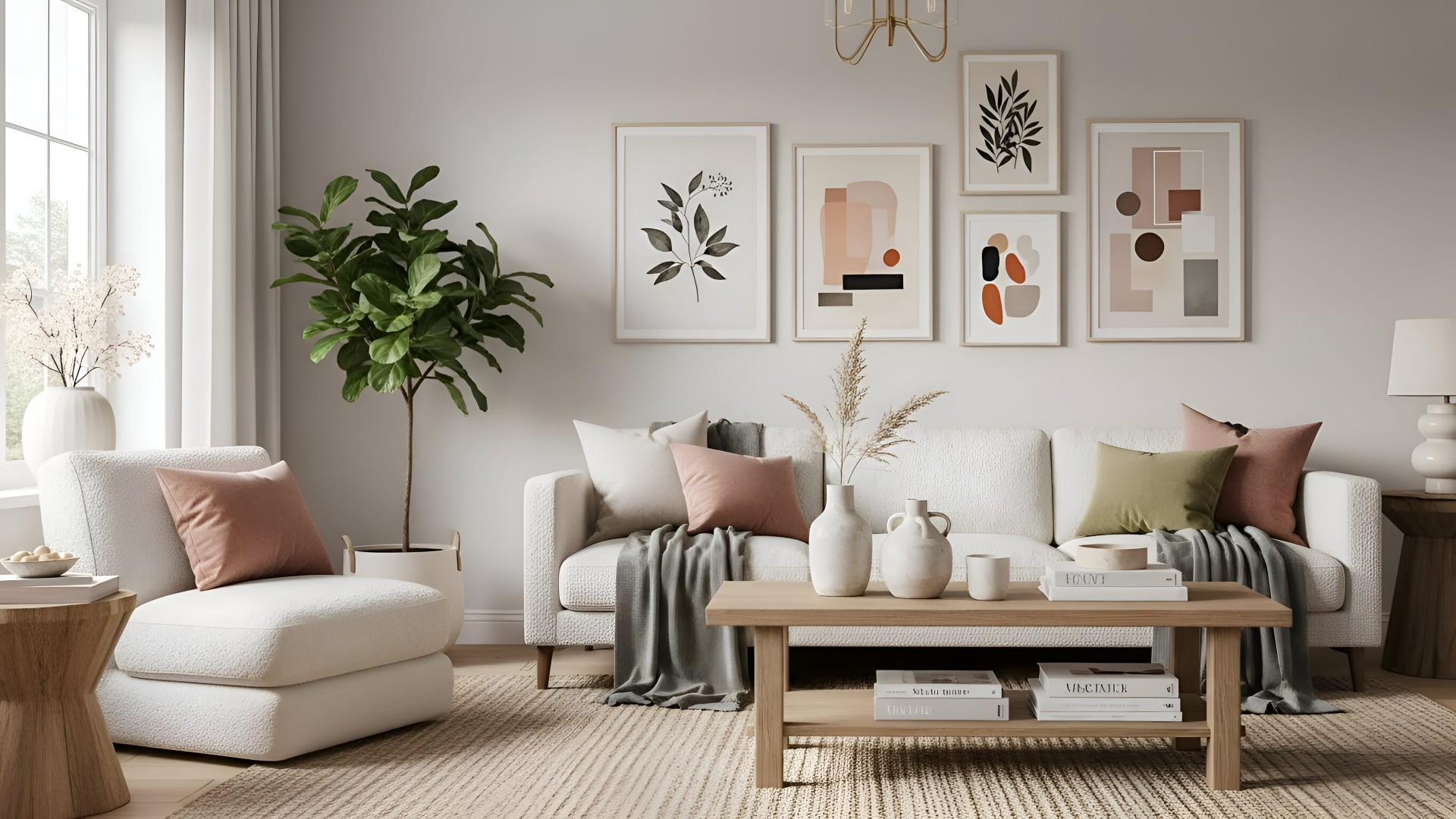
Soft furnishings are one of the easiest ways to introduce colour. Cushions and throws can shift the tone of a room within minutes. A neutral sofa becomes a base for seasonal updates. In cooler months, richer tones such as rust, olive, or navy can add warmth. In summer, lighter shades such as ochre, sage, or soft coral can freshen the space. The key is to work within a limited palette. Interior stylists often recommend choosing two or three colours and repeating them across different items.
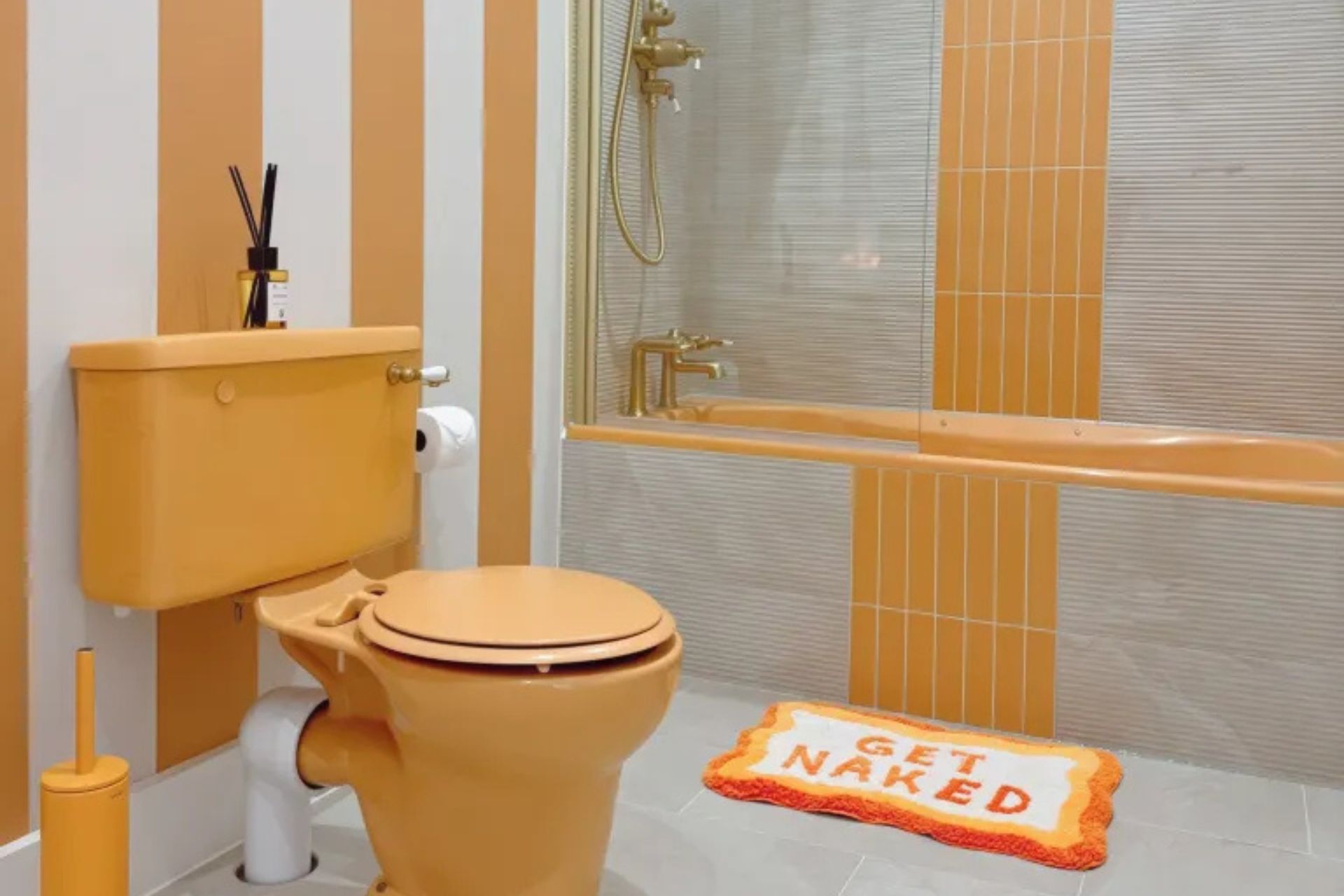
Rugs and small mats also play a strong role. They anchor a room and can introduce pattern, texture and colour. A rug can define a living area in an open-plan space or soften a bedroom. According to guidance from the Interior Design Institute, rugs make textural focal points in otherwise neutral rooms. They allow homeowners to experiment with bolder tones without overwhelming the space.
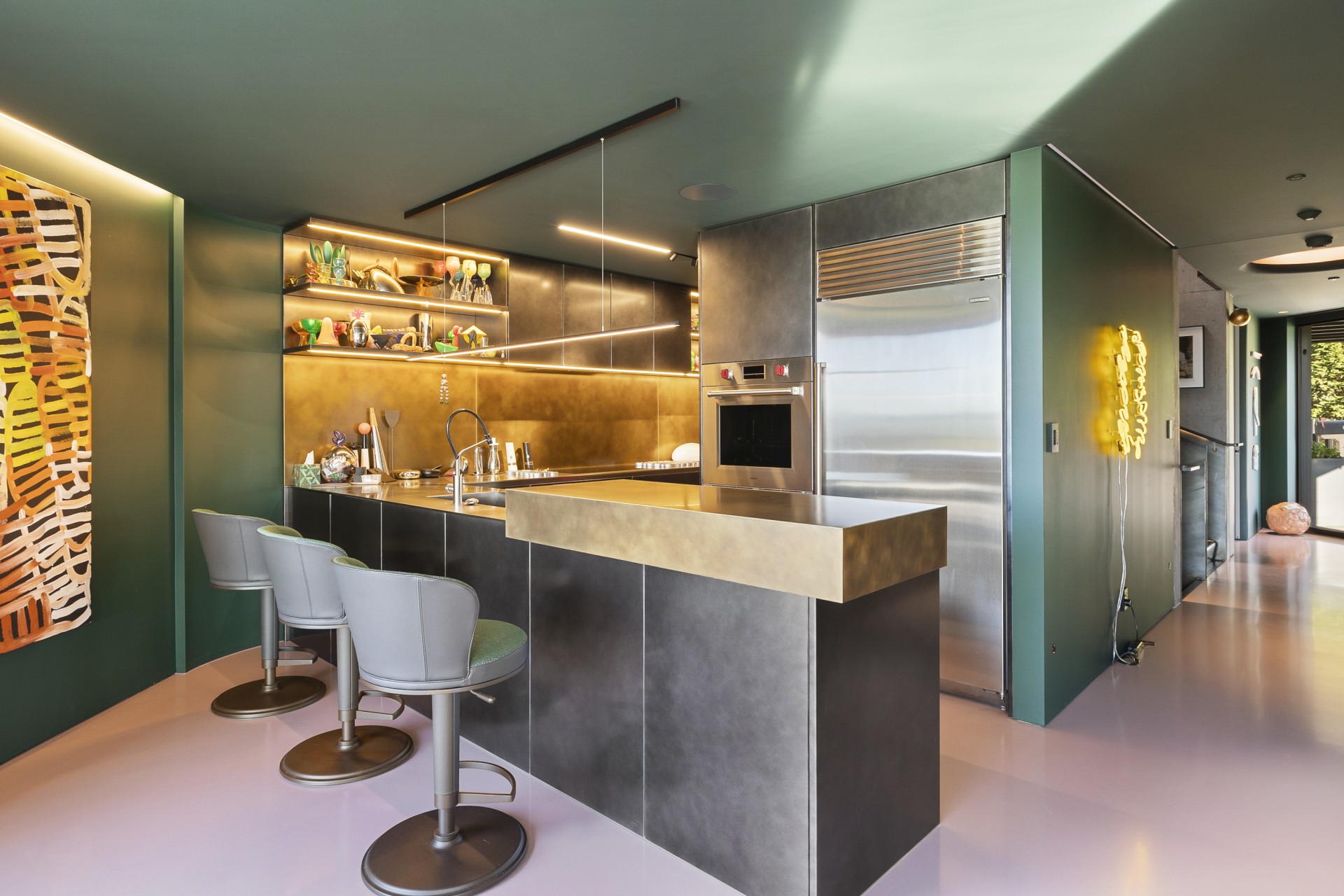
In the kitchen, appliances such as kettles, toasters, and mixers are now widely available in a range of finishes. Brands have responded to demand for more expressive homes – even fridges are available in a range of colours. A single coloured appliance can act as a statement piece. It draws the eye without requiring a full redesign. Tea towels, ceramics, and glassware can also introduce subtle colour shifts.
Artwork is another effective tool. It brings both colour and personality into a space. Large pieces can set the tone for a room, while smaller works can be curated to form a gallery wall. Designers often suggest pulling colours from artwork into nearby accessories to create a cohesive look without feeling overly styled.
Plants offer a natural way to add colour. Green tones work well with almost any palette. Planters can extend this further. Coloured pots or textured finishes add another layer of interest. According to research from the University of Technology Sydney on biophilic design, incorporating natural elements can also support wellbeing. Even a small number of plants can make a space feel more inviting.
Lampshades, bases, and even the warmth of the bulb can influence how colour appears. A coloured lamp base or a fabric shade can add a soft accent.
The key to success is balance. Too many competing colours can feel chaotic. Too few can feel flat. Designers suggest building colour gradually. Start with one or two pieces and add more over time. To ensure rooms look cohesive, many interior designers work with the principle of using only three colours in varying tones of each.
For those thinking about resale or working within rental limits, this approach offers reassurance. Accessories can move with you. They can be updated as trends shift or as personal taste evolves.
Bringing colour into your home doesn’t require a full renovation. It can begin with a cushion, a rug, or a single object that makes you pause. These small decisions build a space that feels considered and personal, while remaining neutral and adaptable.