Choosing the right lighting

Lighting is one of the most powerful and often overlooked tools in home design. The right lighting can make a room feel warm and welcoming, calm and relaxing, or bold and dramatic. Get it wrong and even the most beautifully decorated space can feel flat or uncomfortable. Understanding the different kinds of lighting and how to use them is the key to creating rooms that look good and feel good.
Most well-designed spaces use a mix of three main types of lighting: ambient, task and accent. Each plays a different role and knowing when and where to use them can transform your home.
Ambient lighting
Ambient lighting is the foundation. It provides overall illumination so a room is comfortable and functional. This usually comes from ceiling lights, recessed downlights or central fixtures. In living rooms and bedrooms, ambient lighting should feel soft and even rather than harsh and glaring. Warm bulbs and dimmer switches allow you to adjust brightness depending on the time of day and the atmosphere you want to create.
Task lighting
Task lighting is more focused and practical. It’s the lighting you rely on to read, cook, work or apply makeup. Kitchens benefit from bright under-cabinet lighting, while bathrooms need clear, shadow-free lights around mirrors. In home offices, a good desk lamp is essential to prevent eye strain. Task lighting should be positioned to illuminate what you’re doing without spilling light into the rest of the room.
Accent lighting
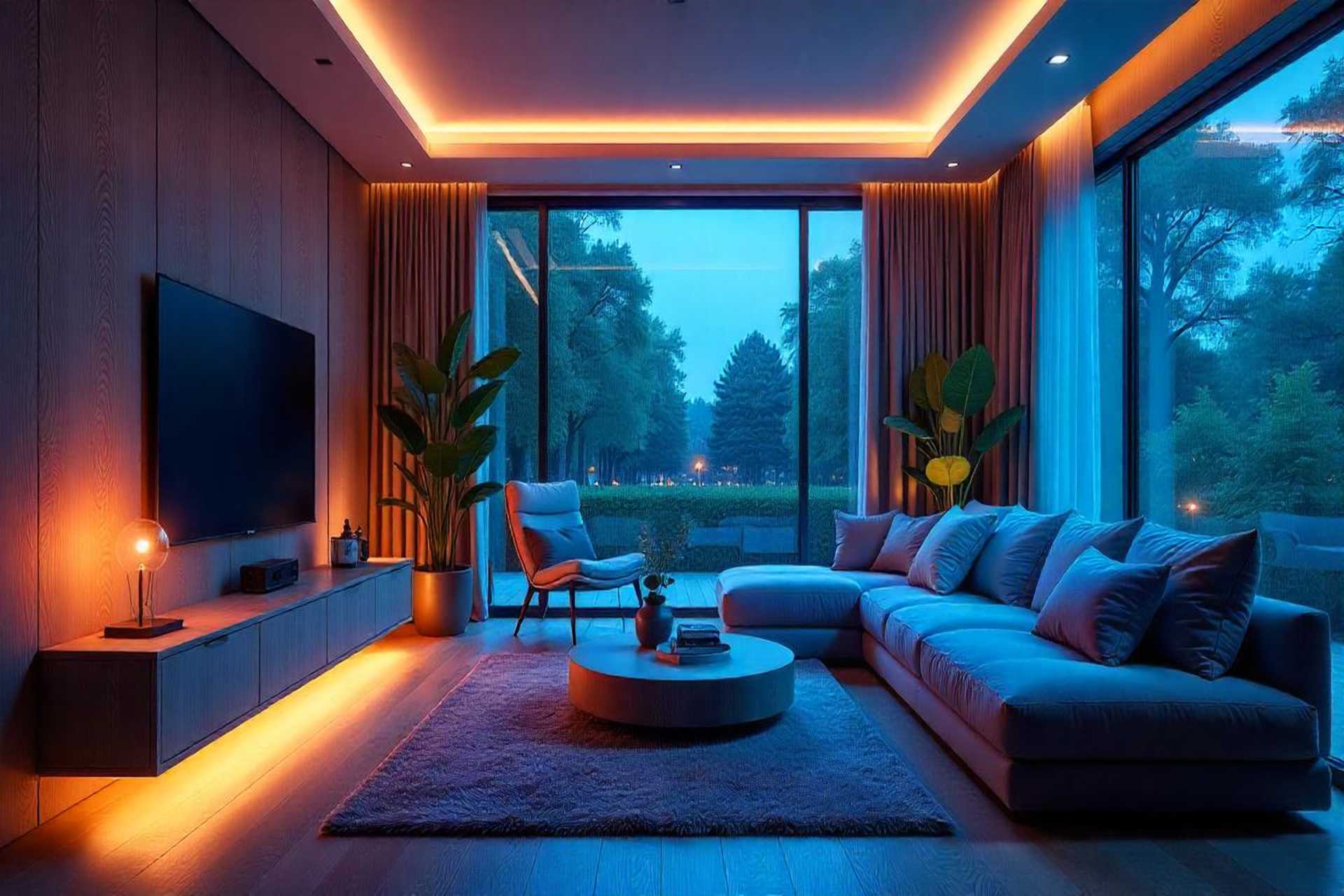
Accent lighting is where the fun and personality come in. This type of lighting highlights artwork, architectural features or decorative objects. Wall sconces, picture lights and LED strip lighting can all add depth and interest, turning an ordinary room into something special.
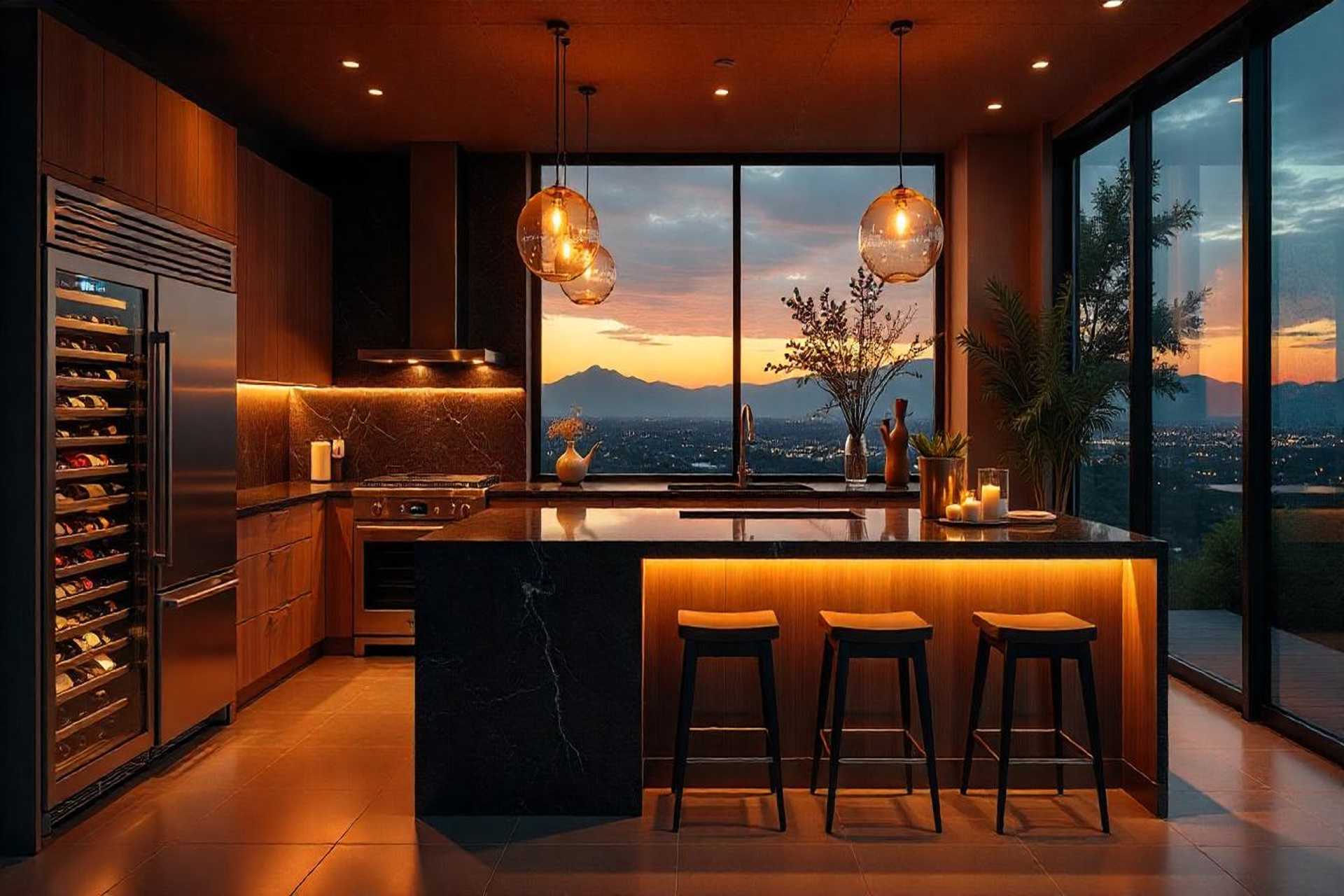
One of the easiest ways to create drama is with pendant lighting. A statement pendant over a dining table or kitchen island instantly becomes a focal point. In bedrooms, pendants can replace bedside lamps for a modern, hotel-style look. The key is proportion. A pendant should suit the size of the space – too small and it looks lost, too large and it overwhelms the room. As a general guide, the diameter of a pendant above a dining table should be roughly one-third to two-thirds the width of the table.
For softer, more relaxed spaces, dimmable wall lights are ideal. These are perfect in bedrooms, hallways and living areas where you want gentle pools of light rather than bright overhead glare. Being able to lower the light level in the evening instantly changes the mood of a room from functional to cosy.
Lamps
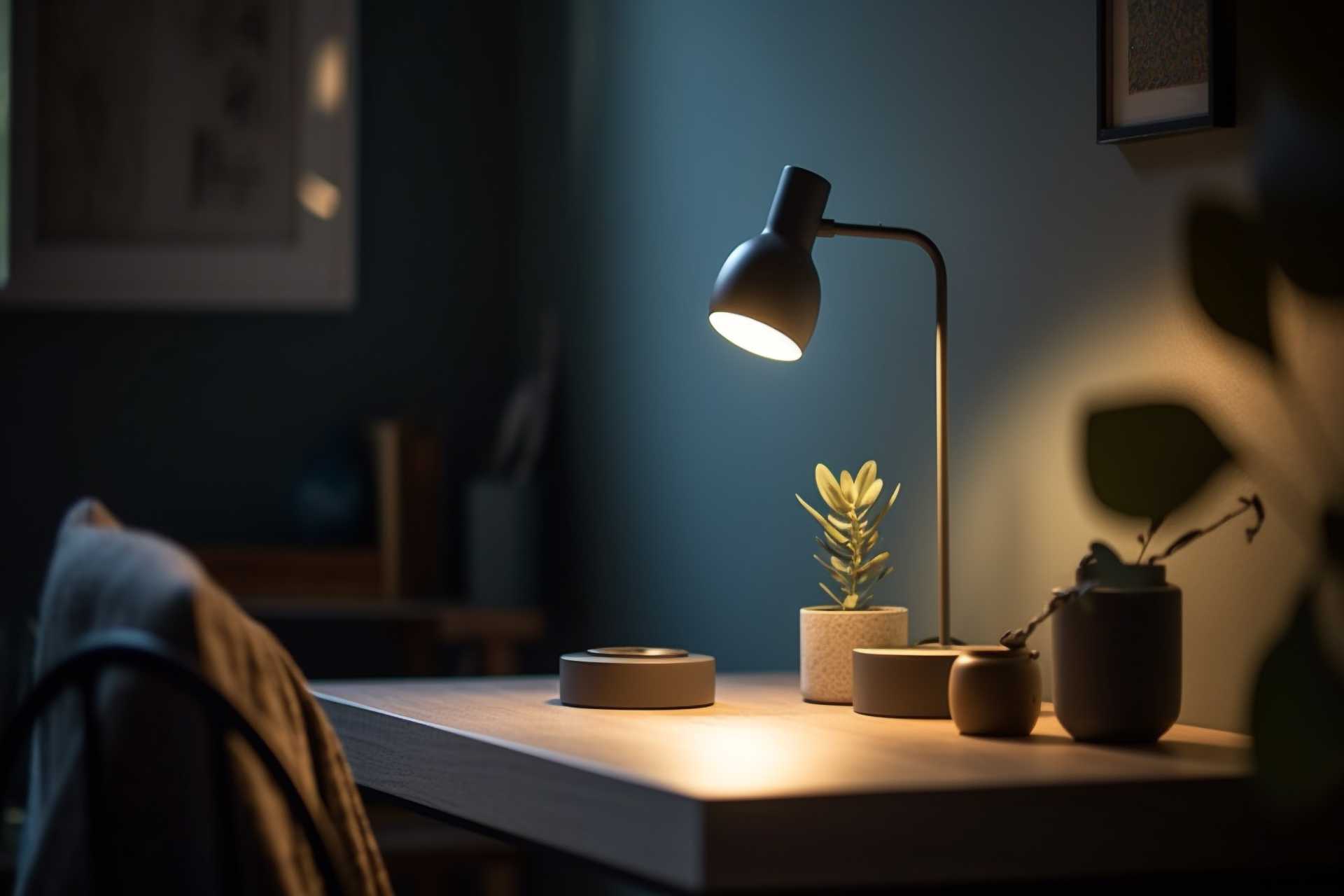
Then there are lamps, the most flexible lighting of all. Table and floor lamps add warmth, character and layers to a space. They are perfect for creating intimate corners for reading or relaxing, and they allow you to adjust lighting without rewiring or major changes.
Choosing between a table lamp and a floor lamp comes down to both function and proportion. Table lamps work best beside sofas, armchairs and beds, sitting on side tables or consoles. The lamp should be in scale with the furniture – ideally around 1.5 times the height of the table it sits on. A tiny lamp on a large table will look out of place, while an oversized one can dominate the surface.
Floor lamps are ideal when you need height or don’t have a nearby table. They suit reading nooks, empty corners and spaces beside larger furniture. If you want light directed downward for reading, choose a lamp with an adjustable or angled shade. For general ambience, a taller lamp that throws light upward will create a softer glow.
Layered lighting
In living rooms, aim for at least three different light sources to avoid a flat, one-dimensional feel. A mix of overhead lighting, a floor lamp and a couple of table lamps will give you options for every occasion – from bright light for entertaining to low light for movie nights.
Bedrooms benefit from layered lighting too. Bedside lamps or pendants for reading, gentle wall lights for mood, and dimmable ceiling lights for practicality. In kitchens and bathrooms, functionality should come first, but even these spaces can be elevated with stylish pendants or feature lighting.
By combining different kinds of lighting and thinking carefully about placement and proportion, you can create rooms that are not only practical but beautifully atmospheric as well.
Whether you’re renovating, redecorating or just adding a new lamp, taking the time to consider your lighting choices will help you to feel at home in your home.