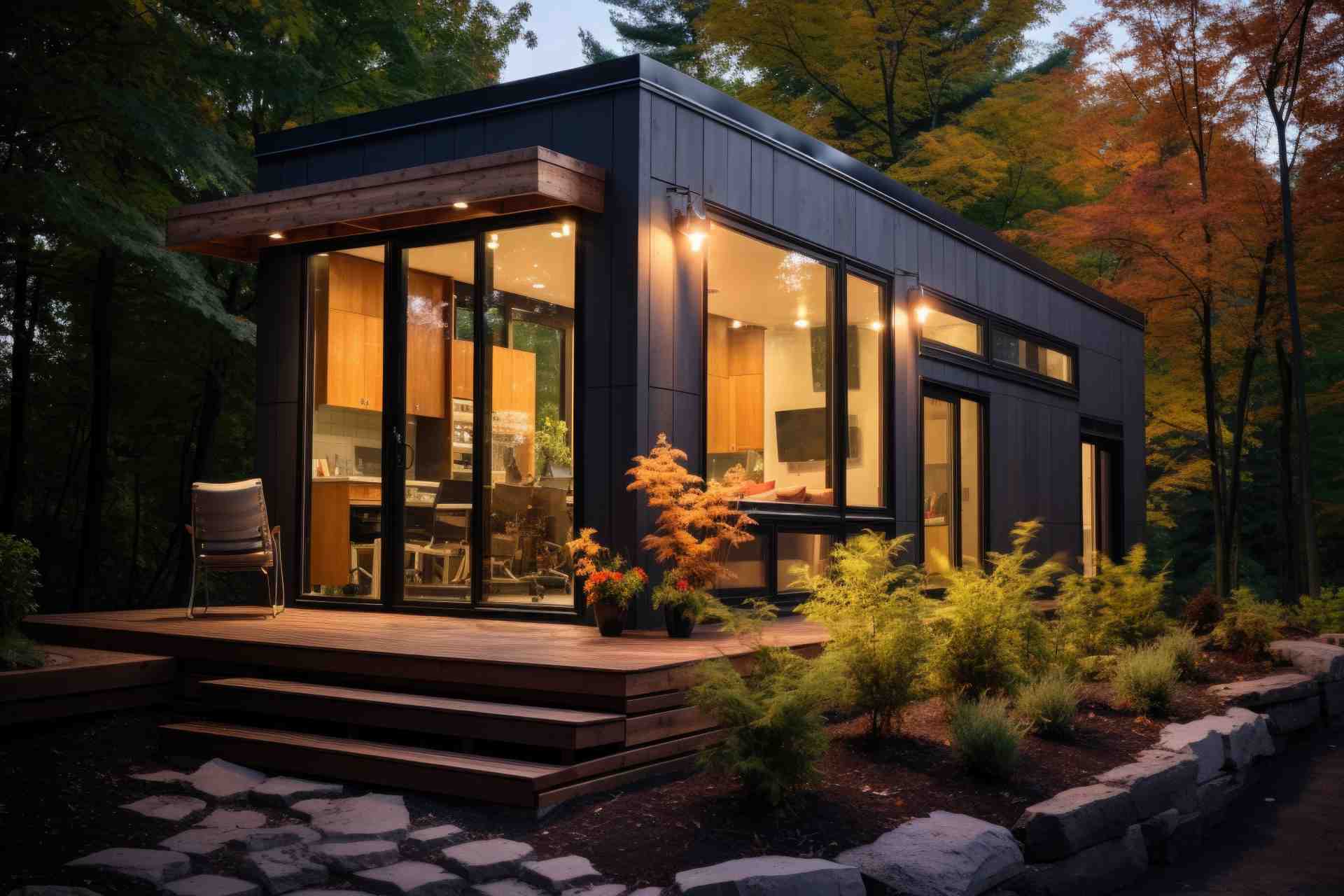
Consents no longer required for granny flats

New Zealanders can now build granny flats or minor dwellings in their backyards without needing building or resource consents.
Adding a second dwelling to your property is an excellent way to boost its value. Second dwellings and granny flats offer a range of advantages, whether you use them for a guest house, rental accommodation, or as additional space for your primary home.
“It’s an exciting time for Kiwis across the country who have been waiting for the green light to build a granny flat on their property without going through costly and time-consuming consent processes,” says RMA Reform and Housing Minister Chris Bishop. “For too long it has been overly difficult and expensive to provide the housing solutions New Zealanders need. Red tape has increased the workload for local councils and blocked simple, affordable dwellings that meet families’ housing needs.”
As of mid-January 2026, updates to the Building Act and the changes under the Resource Management Act have taken effect. These updates remove the need for a building consent and a resource consent for small standalone dwellings up to 70 square metres in size, also known as granny flats.
“After extensive public consultation last year, it is exciting to see these much-needed changes finalised following feedback from New Zealanders.” Says Associate Finance Minister Shane Jones. “These exemptions from building and resource consents will save New Zealanders up to $5,650 in direct costs when building a granny flat and speed up the process by up to 14 weeks. We know Kiwis have been feeling the strain of the cost of living, so it’s great to see this long-awaited change, which will provide practical housing solutions that reduce costs for extended families, small communities, and even businesses that provide staff accommodation, such as farms.”
Building and Construction Minister Chris Penk says even with the building consent exemption, Kiwis need to remember that it applies only to simple designs that meet the Building Code and where work is carried out by authorised professionals.
The Ministry of Business, Innovation and Employment has published guidance and templates on its website to assist homeowners, councils, and building professionals. This includes information on how the exemption works, the responsibilities of those involved, and what homeowners should consider before starting construction.
“I look forward to seeing a boost in productivity in the construction sector now that the exemption is in place, with as many as 13,000 more granny flats expected over the next decade. That means more jobs for builders, less stress for councils, money saved for homeowners and greater choice for families and their dependents,” Chris Penk says.
Granny flat exemption guidance
For the building consent exemption, relevant forms, template and guidance are available on the Ministry of Business, Innovation and Employment website here: Granny flats exemption: Guidance and resources | Building Performance
Further information on the resource consent exemption is available on the Ministry for the Environment website, here: RMA National Direction updated | Ministry for the Environment
- Under the RMA, the new National Environmental Standards for Detached Minor Residential Units (NES-DMRU) makes it easier to build a granny flat on your property without a resource consent. Before they start building, homeowners and builders should:
- Check the new NES-DMRU to confirm if their granny flat meets the standards.
- Look at their local council’s rules, as they may be more even more flexible than the NES-DMRU.
- Find out if they need a resource consent for the project.
- To support local infrastructure in growing communities, councils can charge development contributions for granny flats when issuing a Project Information Memorandum (PIM).