The rise of custom joinery

As the demand for better storage and considered design increases, so does the appetite for built-in furniture and custom joinery. This emerging trend reflects a broader shift in how people want their homes to feel. For homeowners planning a renovation, this approach offers an opportunity to move beyond off-the-shelf solutions and create spaces that are both functional and refined.
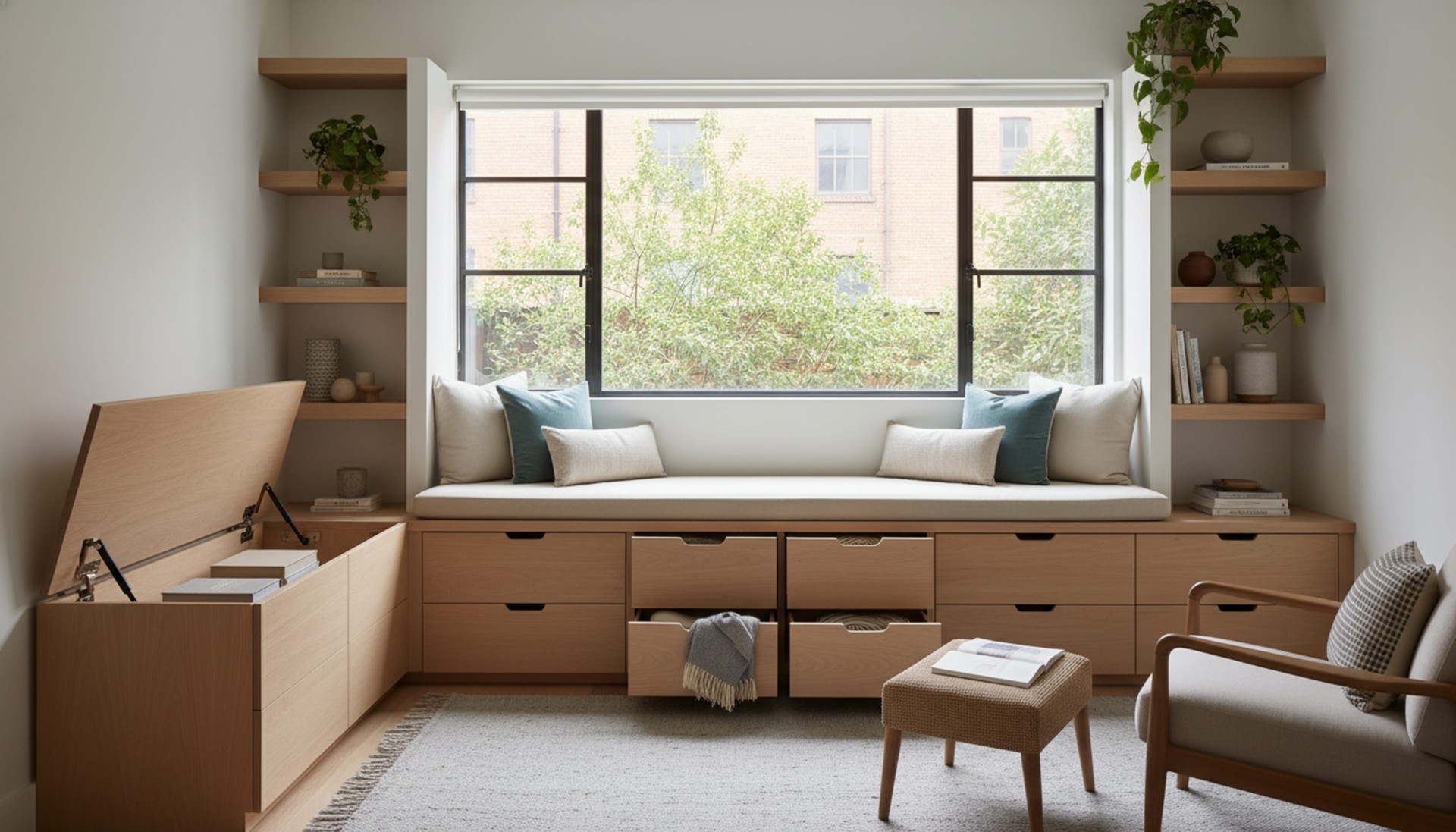
Built-in design is not new, but it has evolved. Where it was once limited to wardrobes or kitchen cabinetry, it now extends throughout the home. From window seats and media units to home offices, storage walls and even integrated beds, custom joinery is being used to shape entire rooms.
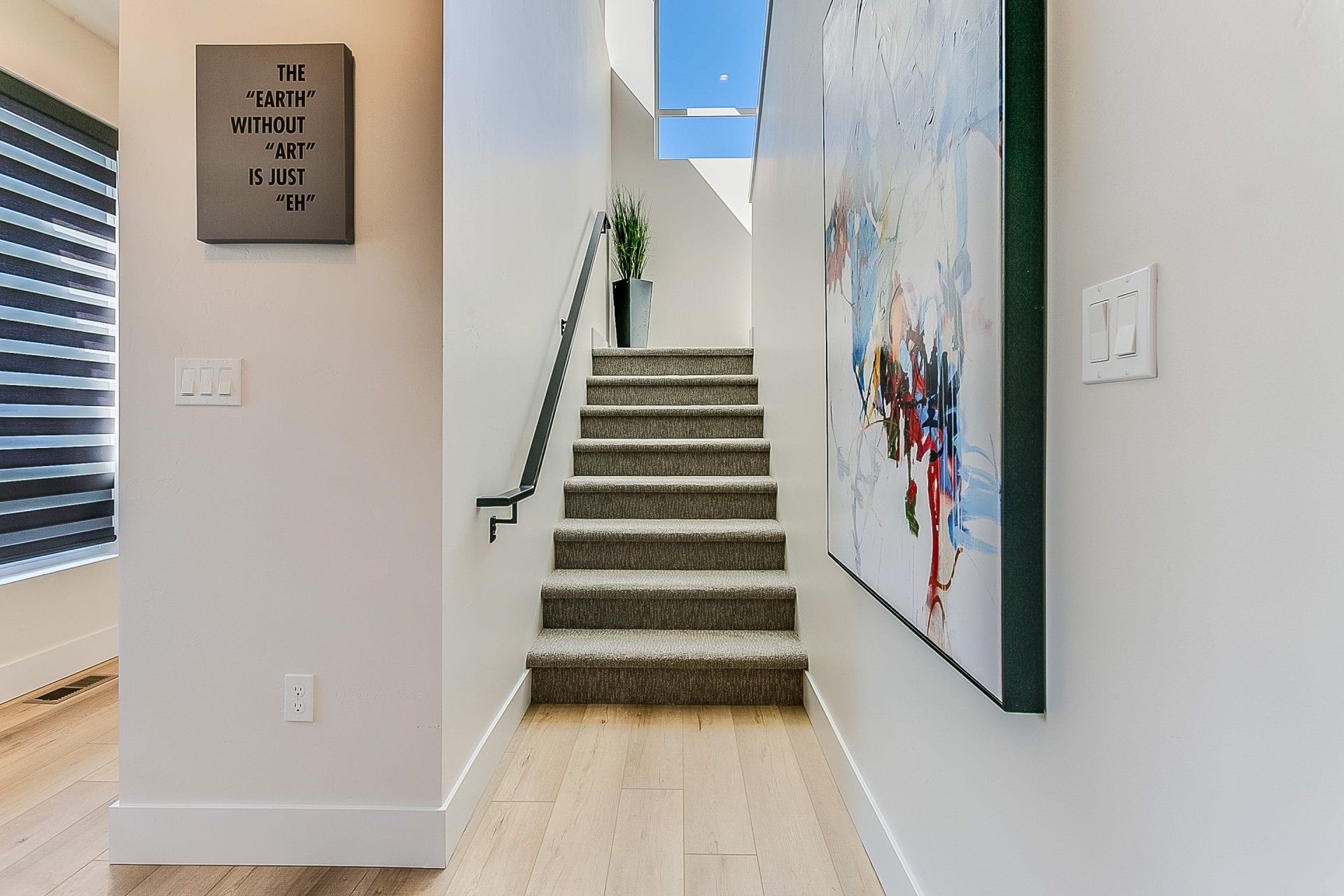
One of the main drivers behind this trend is efficiency. Built-in furniture makes better use of available space, particularly in homes where every square metre counts. Awkward corners, unused walls and transitional areas can be transformed into purposeful zones. A hallway can become a library. A living room wall can double as storage and display. A bedroom can incorporate seamless wardrobes that feel like part of the architecture rather than an add-on.
There is also a strong visual benefit. Custom joinery creates a cohesive, streamlined look that is difficult to achieve with standalone furniture. Because it is designed specifically for the space, proportions are more balanced, and finishes can be matched across different elements of the home. The result is a quieter, more resolved interior where everything feels intentional.
Material choice plays a significant role in this. Timber veneers, painted finishes, natural stone and textured laminates allow homeowners to introduce warmth and personality without overwhelming a space. Subtle details such as recessed handles, shadow lines and integrated lighting can elevate even the simplest design.
Functionality is where built-in furniture truly stands out. It allows you to design around your daily routines. In a living area, this might mean concealed storage for devices and cables, open shelving for books, and a designated space for a television that does not dominate the room. In a kitchen, it could involve hidden pantries, appliance garages or custom drawer configurations that improve workflow.
For those working from home, custom joinery offers a way to integrate workspaces without compromising the overall feel of the house. A built-in desk can be designed to blend into a living area or bedroom, with storage that keeps everything organised and out of sight when not in use.
While the upfront cost of custom joinery is typically higher than buying ready-made furniture, it is an investment in both usability and longevity. Well-designed built-ins are durable and less likely to need replacing, and they can add to the perceived value of a home, particularly when they enhance storage and layout.
That said, it is important to plan carefully. Good joinery starts with understanding how you use your space. Working with a designer or experienced cabinetmaker can help ensure that proportions, materials and functionality are all aligned. It is also worth considering flexibility. While built-ins are permanent, thoughtful design can allow for some adaptability over time.
The growing popularity of built-in furniture is not just about aesthetics. It reflects a desire for homes that work harder, feel calmer and support everyday living in a more intuitive way. For homeowners renovating, it offers a chance to create spaces that are not only beautiful, but genuinely tailored to how life unfolds within them.