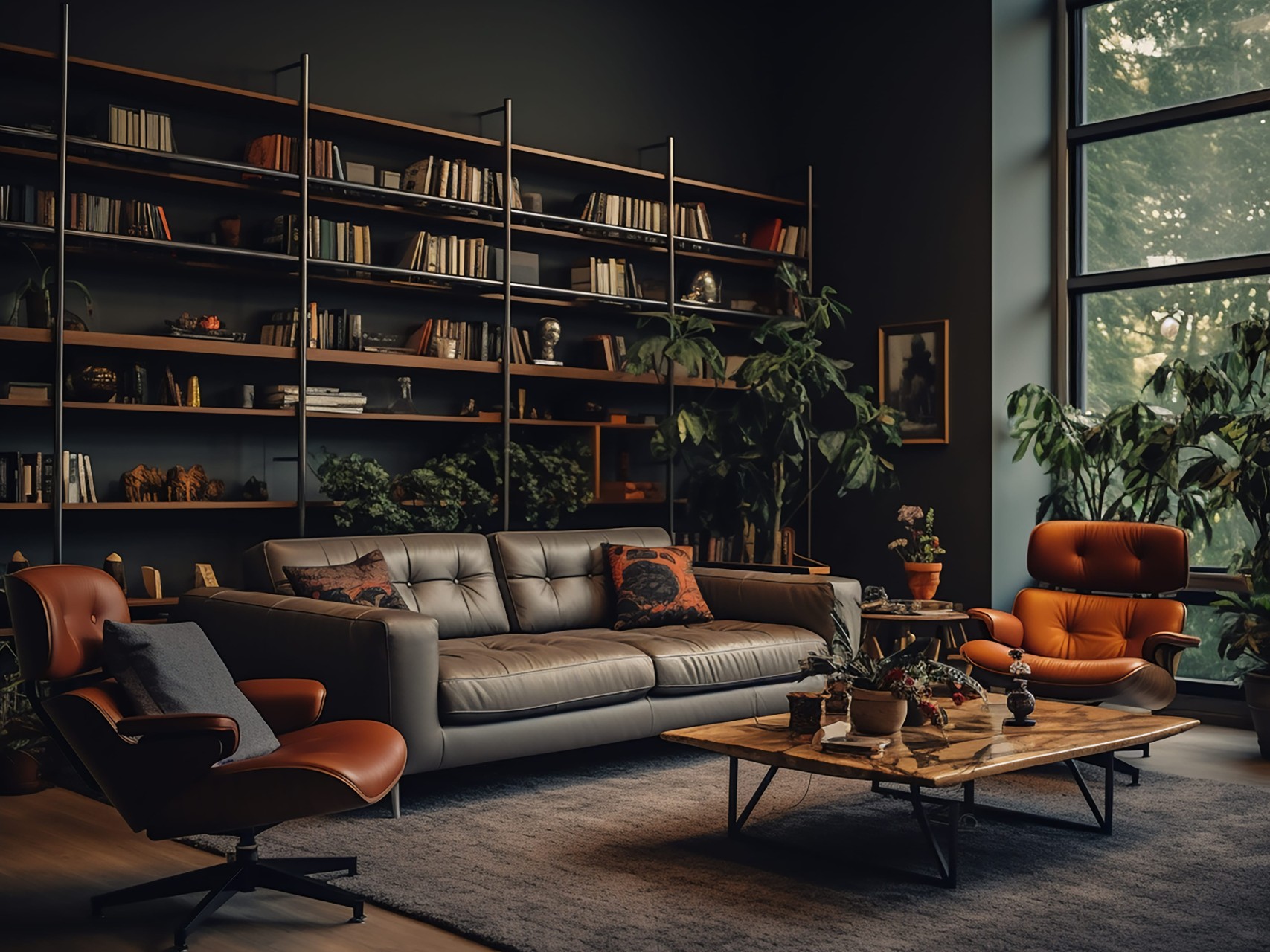
The move towards darker, moodier interiors

The all-white interior has had a long run, but a noticeable shift is underway. Darker, moodier interiors are emerging as a defining modern style. This is not about making homes feel smaller or heavier. It is about creating depth, atmosphere and a stronger sense of personality.
For homeowners planning a renovation, this trend offers a compelling alternative to safe, neutral palettes that can sometimes feel flat or predictable.
Why darker interiors are gaining momentum
Recent 2026 design coverage points to a growing desire for homes that feel more intimate and expressive. After years of light, pared-back spaces, there is a move toward environments that feel layered and emotionally engaging.
Darker colours such as deep greens, charcoals, navy and rich browns are being used to anchor rooms and create a sense of calm. Rather than relying on contrast alone, designers are focusing on tonal variation, where different shades within the same colour family build depth without visual clutter.
This shift is also tied to how people are using their homes. Spaces are no longer just functional. They are places to unwind, entertain and retreat, and mood plays a bigger role in how those spaces are designed.
Where it works best
Moodier interiors do not need to be applied across an entire home to be effective. In fact, many of the most successful examples use darker palettes selectively.
Living rooms, media rooms and bedrooms are ideal candidates. These are spaces where a sense of comfort and enclosure is often desirable. Darker walls paired with soft lighting can create a cocooning effect that feels both sophisticated and relaxing.
Kitchens are also embracing this shift. Deep cabinetry colours, especially when combined with natural materials like timber or stone, add weight and presence. This creates a more grounded, architectural feel compared to lighter, high-gloss finishes.
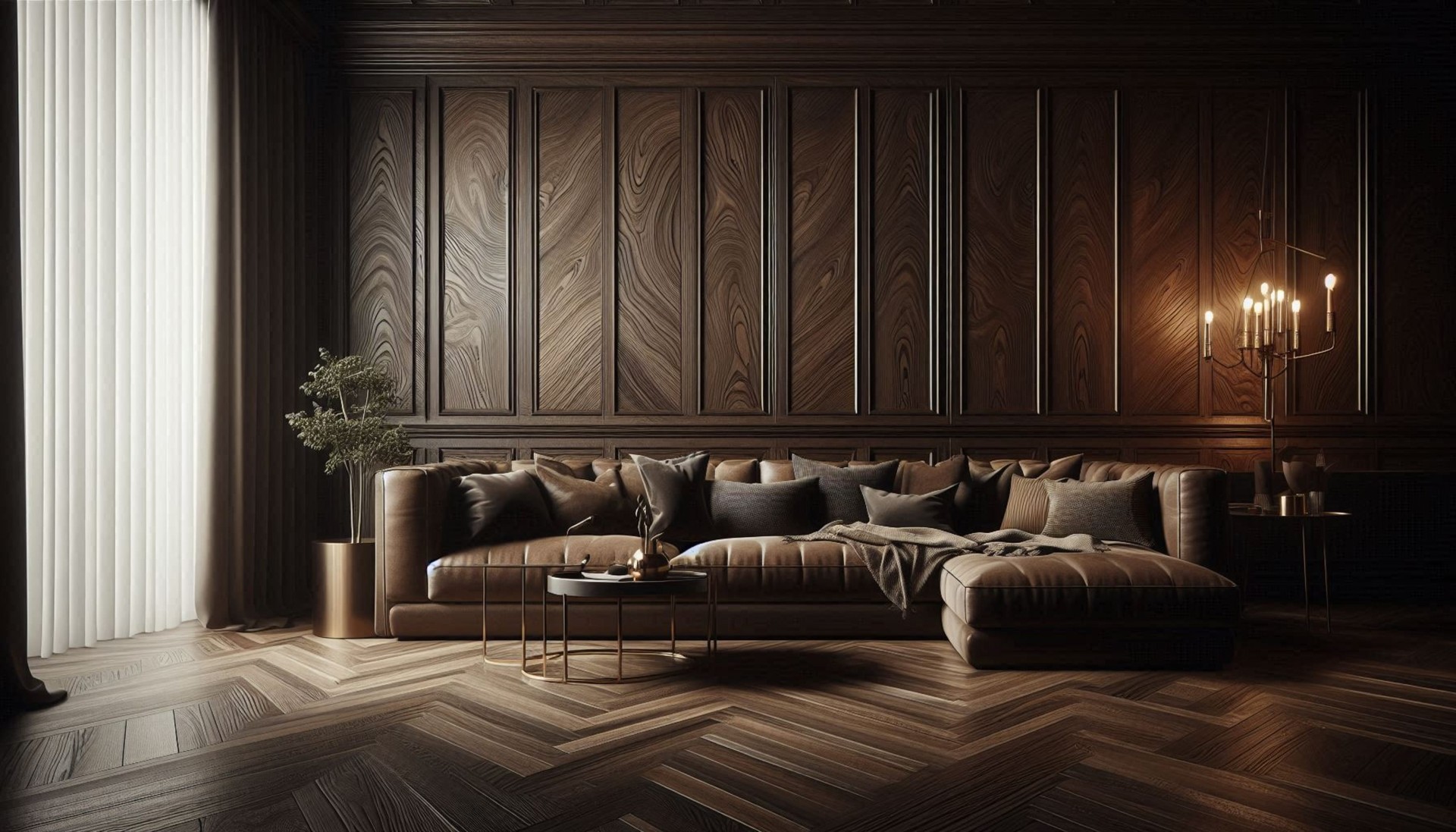
Balancing light and texture
One of the biggest misconceptions about darker interiors is that they will make a space feel closed in. In reality, balance is what makes the look successful.
Natural light remains important. Large windows, skylights or well-placed artificial lighting prevent darker tones from feeling heavy. Layered lighting, a key focus in 2026 design thinking, allows you to control mood throughout the day.
Texture also plays a critical role. Matte finishes, timber grain, soft textiles and stone surfaces help absorb and reflect light in different ways. This prevents the space from feeling flat and adds visual interest without relying on brighter colours.
Materials and finishes leading the trend
Design articles throughout 2026 consistently highlight a move toward richer, more tactile materials. Smoked timber, aged metals, dark-stained veneers and honed stone are all being used to complement deeper colour palettes.
There is also a shift away from high-shine surfaces toward more subdued finishes. This aligns with the overall moodier aesthetic, where softness and depth take priority over brightness and reflection.
Is it a lasting change?
While trends always evolve, the move toward darker interiors appears to be part of a broader change rather than a short-lived moment. It reflects a desire for homes that feel more personal, grounded and emotionally connected.
For those hesitant to commit fully, this is a trend that can be introduced gradually. A feature wall, darker cabinetry or layered furnishings can all bring in depth without overwhelming a space.
Darker, moodier interiors are less about colour alone and more about how a space feels. They invite a slower, more considered approach to design, where light, material and tone work together to create atmosphere.