A strong El Niño summer: how to keep your home and garden water-wise

New Zealand is heading into summer under one of the strongest El Niño events on record, and for gardeners in the north and east that means planning for dry spells. Earth Sciences NZ declared El Niño in July and expects it to influence the country’s weather into 2027.
“At the very least we’re expecting this event to rival the intensity of these historical top five events, but it has considerable potential to exceed them all,” said Chris Brandolino, Earth Sciences NZ’s Chief Scientist Weather and Seasonal Forecasting.
What to expect
The seasonal outlook for October to December said temperatures were most likely to be above average across most of the country. Rainfall was most likely to be below normal in the north and east of the North Island, with Gisborne, Hawke’s Bay and Wairarapa given a 55% chance of below-normal rain.
The west of the South Island has the opposite outlook, with a 55% chance of above-normal rainfall. El Niño was expected to peak in late spring or early summer.
“The combination of wind and reduced rainfall will dry soils, and lead to periods of increased wildfire danger – especially when temperatures are elevated and humidity is low,” said Jon Tunster, a meteorologist with Earth Sciences NZ and MetService.
Canterbury has been dry in past strong events too. In all five of the strongest previous El Niño events, parts of Canterbury got only two-thirds of their normal rainfall between July and September.
Water use rises fast in summer
Watercare says Auckland’s water demand can rise by up to 100 million litres on a hot, dry day. Annual average use is about 440 million litres a day, against 568 million at the peak of the 2020 drought.
In August, Watercare said Auckland’s storage was 94%, almost 10% above average for the time of year, and restrictions were unlikely this summer. Other councils set their own rules, so check your council’s website for any restrictions where you live.
Saving water at home and in the garden
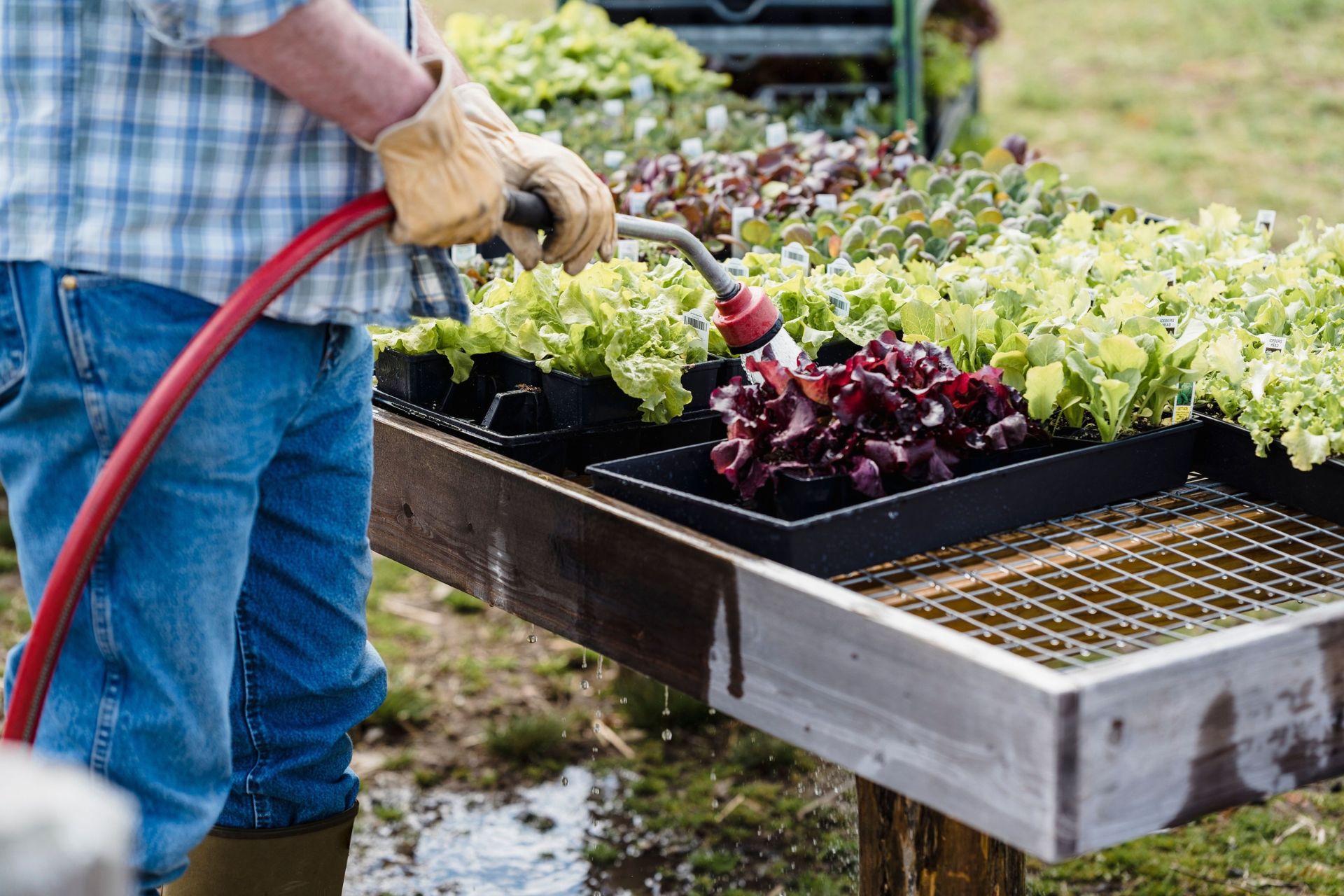
“Water your garden early in the morning or at dusk to reduce evaporation, and always use a trigger nozzle on your hose to avoid wasting water,” said Mark Bourne, Watercare’s Chief Operations Officer.
Leaks add up quickly. “Checking your home for leaks is another good way to save water, with a leaking toilet able to waste up to 80 litres a day,” Mark said.
Watercare also suggests keeping showers to four minutes or less, and using water pistols or a paddling pool for children instead of running the sprinkler.
In the garden, a layer of mulch helps soil hold moisture, and watering deeply but less often encourages roots to grow down. Group plants with similar water needs together so you’re not watering hardy shrubs as often as thirsty vegetables.
If you have space, a rain tank can store water for the garden when it does rain. Check your council’s rules first, as larger tanks or those connected to the house plumbing may need a consent.
With drier conditions also comes fire risk. Before you light a barbecue, brazier or outdoor fire, check the fire season and any restrictions for your area at checkitsalright.nz.