Embracing the outdoor kitchen

Outdoor kitchens extend your home’s living space into the garden. A blend of cooking, dining and entertaining under the open sky, they make perfect sense for year-round Kiwi barbecues, summer dinner parties and even casual mid-winter cooks on sunny days.
Well-designed outdoor kitchens boost property value, encourage outdoor time and turn everyday meals into events, all while keeping smoke and smells away from indoors.
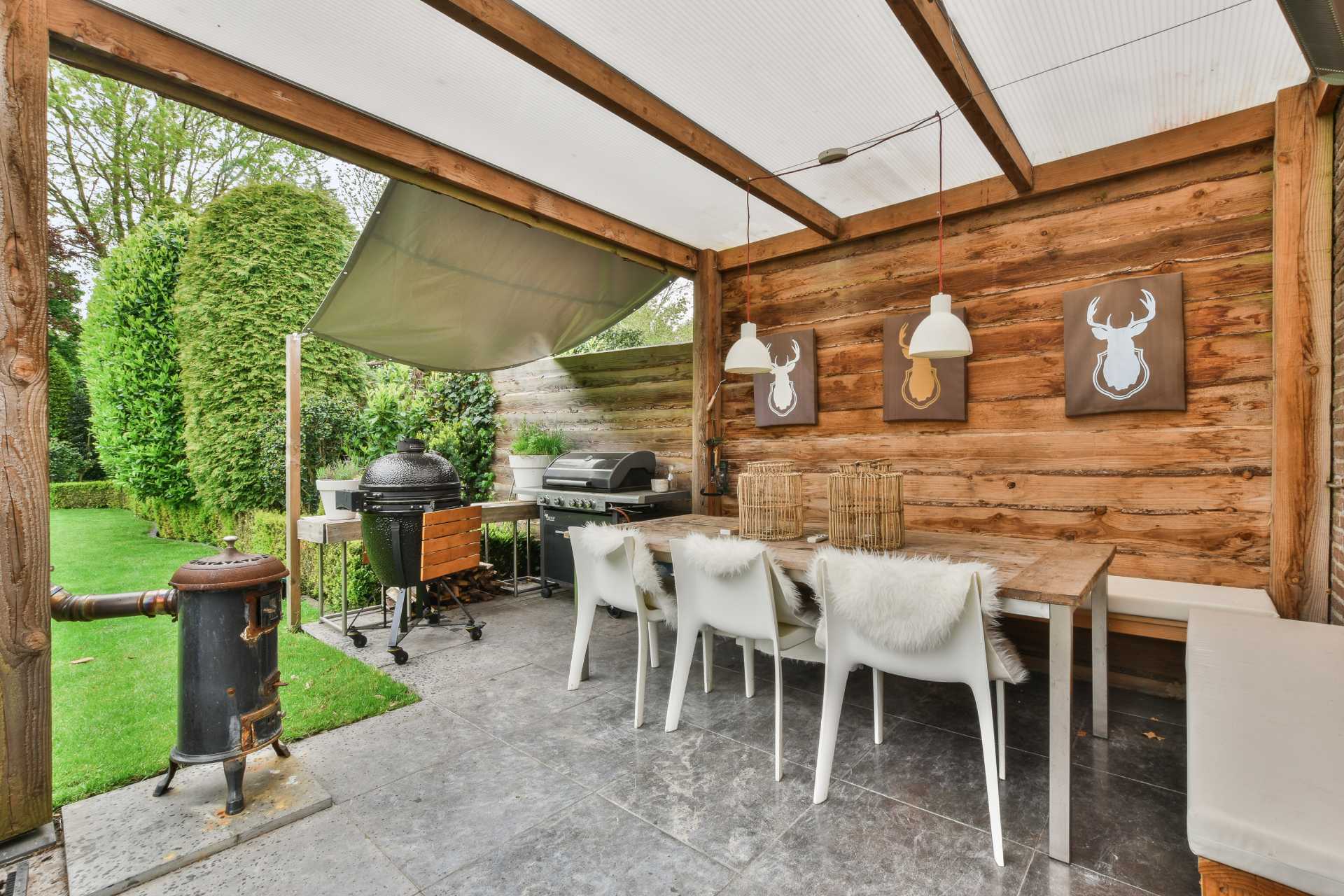
Think of an outdoor kitchen as a compact indoor one, just built for fresh air. The core work triangle – sink, cooktop and prep/fridge – should be efficient but scaled to outdoor use. A typical setup includes a barbecue or gas cooktop, a sink, an under-bench fridge and ample prep bench space.
Position the cooking zone facing guests or seating so the host stays part of the conversation, not stuck with their back turned.
Zoning separates cooking from relaxing. Place the “dirty” work – chopping, washing up – nearest the house door for easy supply runs, with clean dining and serving areas further out. Allow 1.2–1.5m clearance around benches for safe movement, wheelbarrow access and multiple cooks.
In smaller sections, L‑shaped or straight bench runs save space; larger areas suit U‑shapes or islands with bar stools.
Durability trumps everything when rain, salt air and temperature swings are daily realities. Concrete benchtops with bullnosed edges resist heat and stains better than timber or laminate, while porcelain or natural stone slabs offer style without fragility.
Stainless steel cabinetry – marine‑grade where possible – shrugs off moisture and looks sharp year after year.
For flooring, non‑slip porcelain tiles, stamped concrete or timber decking with good drainage work best. Avoid glossy surfaces that turn treacherous when wet.
Roofing choices range from permanent skillion roofs tied into the house to lighter pergolas with retractable sails or slatted timber for dappled shade.
In coastal zones, powder‑coated aluminium frames and galvanised steel fittings prevent rust.
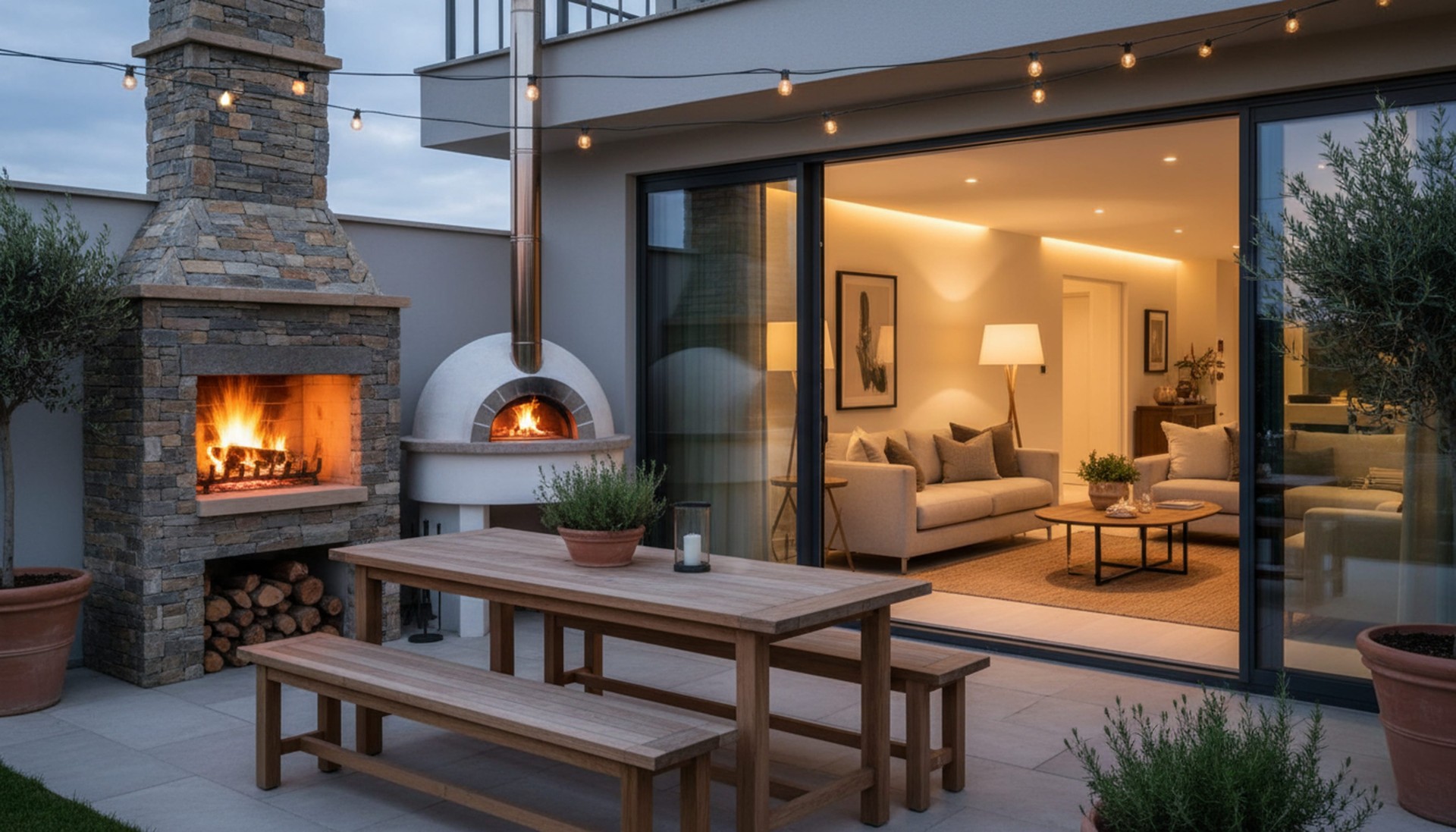
Gas barbecues remain king for convenience and instant heat, but built‑in models with side burners and rotisseries elevate the setup. Pair with a weatherproof pizza oven, teppanyaki plate or lidded smoker for variety.
Weatherproof sinks need proper drainage – connect to mains or install a greywater system compliant with local rules. Under-bench fridges and ice makers keep drinks cold without trips inside.
Electricity powers lighting, appliances and possibly a sound system. Plan for weatherproof outlets, USB ports and low‑voltage downlights over benches and dining.
Gas lines, water and drainage require consents and certified plumbers – factor these in early. For off-grid appeal, solar‑powered lighting or LPG bottles work where hard connections aren’t feasible.
Overhead infrared heaters or a built‑in fire pit extend usability into cooler evenings. Position them to warm seating without blowing smoke across food prep. Lighting layers: task lighting (over benches), ambient (string lights or pendants) and accent (pathway LEDs) for safety and mood. Smart controls let you dim for dinner parties or brighten for late‑night cleanups.
Storage keeps clutter off benches: deep drawers for utensils, pull‑out spice racks, weatherproof cabinets for plates and linen. Consider lockable units if kids or pets roam nearby.
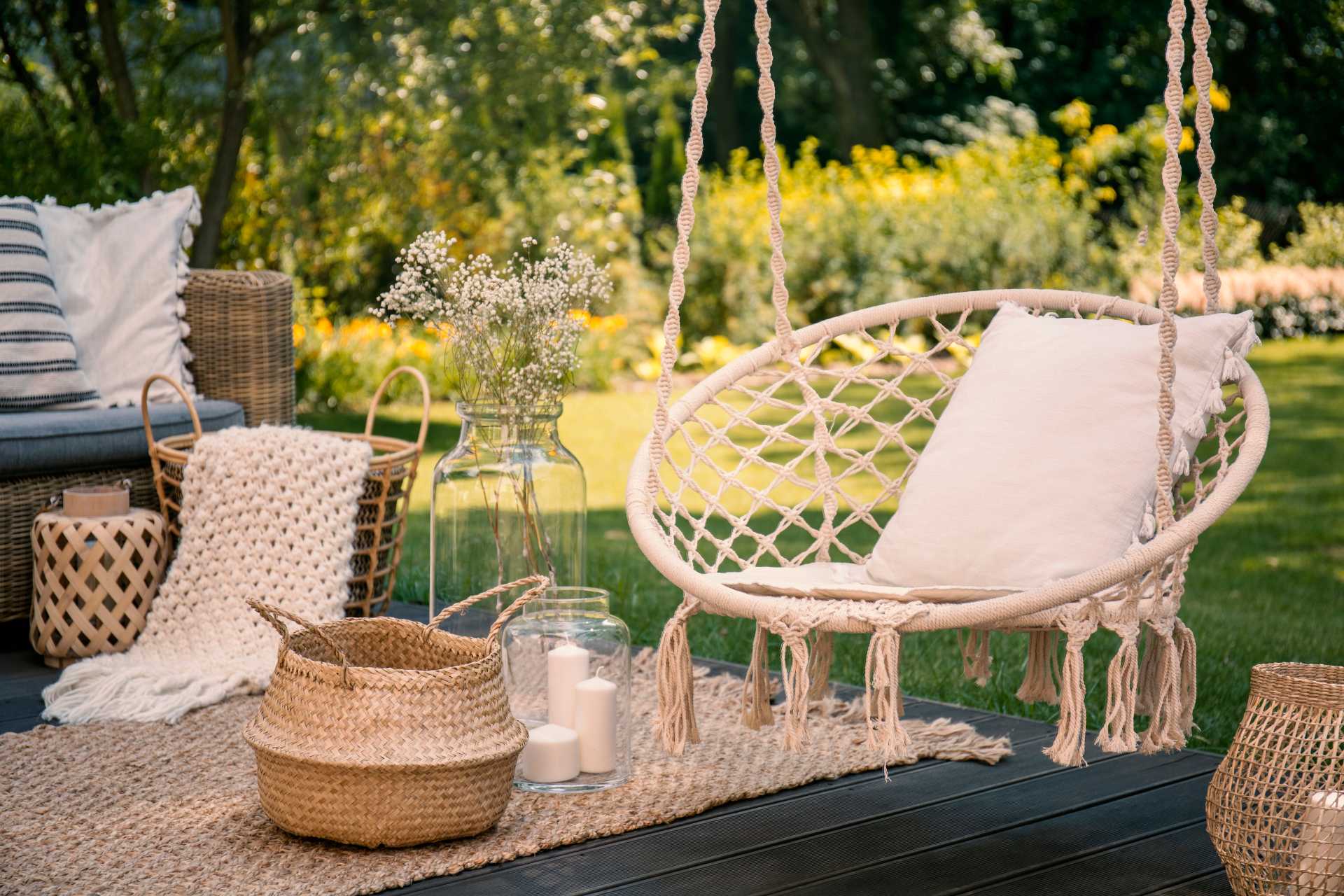
Seating ties the kitchen to the living. Built‑in banquettes or loose outdoor sofas create lounge zones, while bar stools at an island bench encourage chat.
Dining tables nearby should seat 6–10 comfortably. Link to the house with paths, glass doors or bi‑folds for seamless indoor‑outdoor flow.
Plan for how you live, choose materials that last and integrate them thoughtfully with your garden, and your outdoor kitchen will become the heart of your home and garden for years to come.