Explaining the cocoon space trend

Cocoon spaces are intimate, sheltering corners in and around the home that feel safe, warm and deeply relaxing. Think of them as modern nests, or places where you can read, nap, work quietly or simply decompress away from the busier parts of the house.
Designed well, they combine clever layout, tactile materials, lighting and acoustics to create a strong sense of refuge without sacrificing style. These cocoon spaces usually start with some form of enclosure.
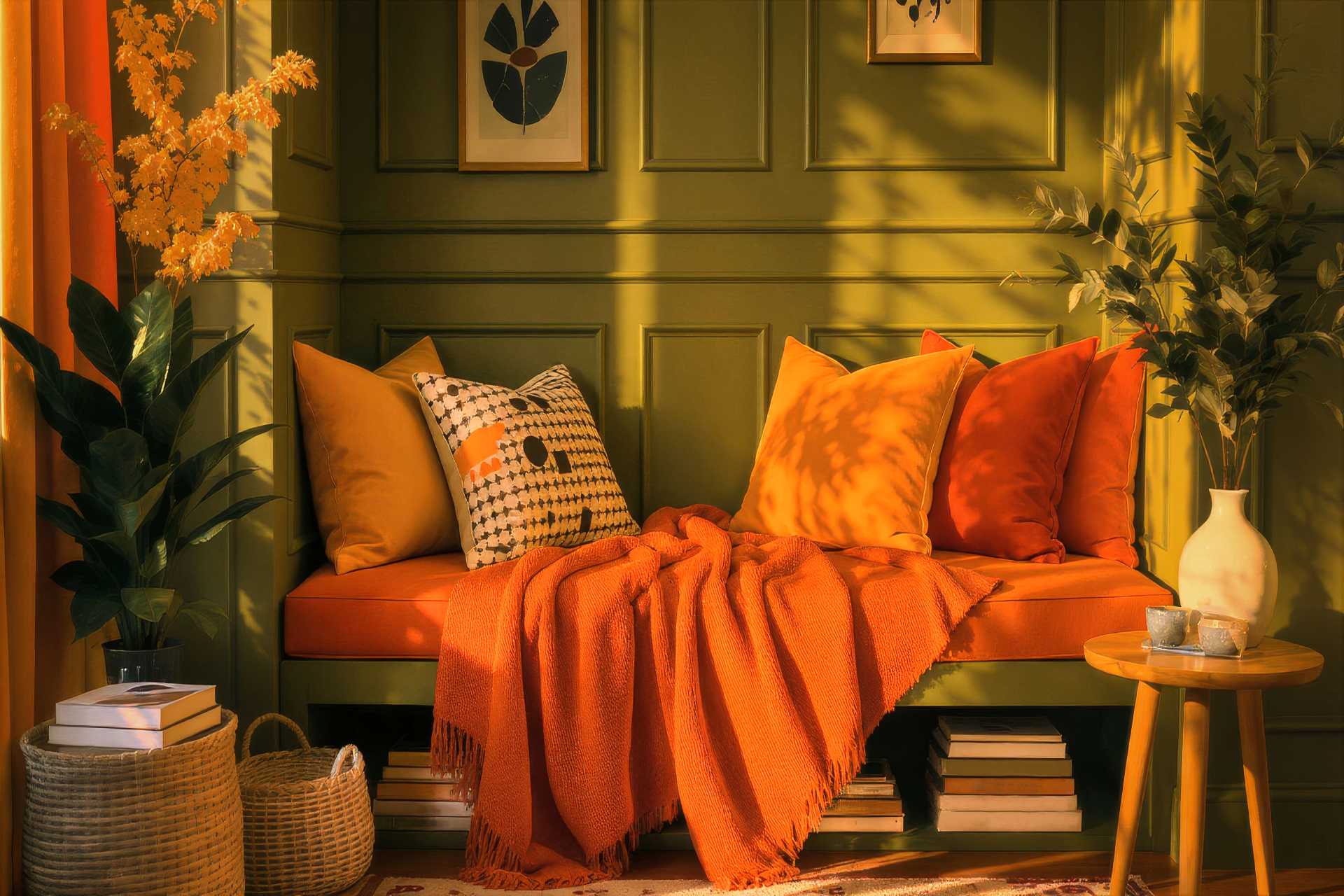
That might be a window seat recessed into a wall, a built‑in booth in an open‑plan living area, or a snug corner created with a curved sofa and high‑backed chairs. Partial walls, bookcases, slatted screens and even heavy curtains can all be used to carve out a smaller zone within a larger room.
The idea is to gently define boundaries so you feel ‘held’ by the space, while still allowing air, light and sightlines to flow where you want them. Social media has come to love its nurturing and cosy nature.
Scale is important. Cocoon spaces work best when they are just big enough for their purpose, for example, one or two people with a side table and a lamp, rather than oversized.
A tight fit around seating, low ceilings or sloping rooflines, and furniture that wraps around the body can all enhance the enveloping feeling.
In bedrooms and lofts, built‑in beds with headboards that return along the sides, canopy frames or wall‑to‑wall head niches are popular ways to create sleep cocoons that feel calm and secure.
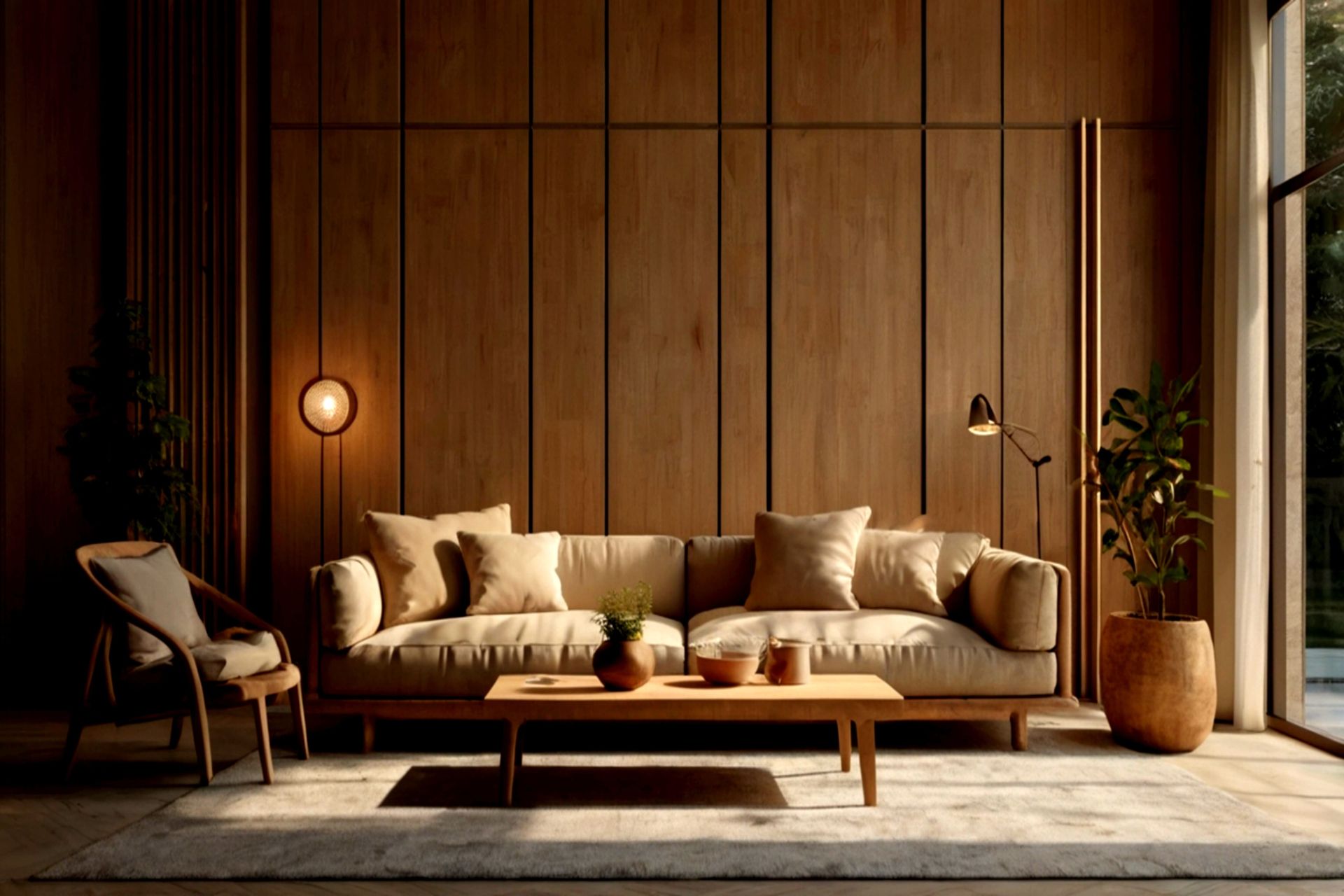
Materials and textures do much of the emotional heavy lifting. Soft, touchable finishes such as wool throws, linen cushions, boucle upholstery, thick rugs and timber all help to soften edges and dampen sound.
Curves, rounded corners and padded surfaces avoid the hard, echoing feel you sometimes get in minimalist spaces. Even in a small nook, layering textures, say, a timber wall, upholstered bench, and layered cushions, adds depth and comfort without needing lots of floor area.
Lighting is another key ingredient. Cocoon spaces rely on warm, low‑level lighting rather than bright overhead glare. Wall sconces, dimmable table lamps, LED strip lighting tucked into shelves, or small reading lights over a bench seat all allow you to control mood and focus.
Warm white light (rather than cool blue‑white) is better for winding down, and multiple light sources at different heights help the space feel intimate rather than flat.
Where natural light is available, framing a view through a window, skylight, or glass door connects the cocoon to the outdoors while you stay cosy inside.
Sound and privacy shape how a cocoon space feels in daily life. Soft furnishings, rugs, curtains and even acoustic panels can help reduce echo and background noise, making conversation and quiet work more pleasant.
If privacy is important, maybe a work‑from‑home corner or a reading nook off a busy living room will work well. Consider screens, sliding doors or sheer curtains you can close partially to signal that the space is in ‘quiet mode’. In multi‑use family homes, these visual cues often work better than full separation.
Cocoon spaces are not limited to interiors. On decks and in gardens, pergolas, covered daybeds, hanging chairs, bench seats built into retaining walls, and outdoor ‘rooms’ enclosed with planting or screens all create sheltered outdoor cocoons.
Adding overhead cover, wind protection, outdoor rugs, cushions and throws, and a small heater or fire feature can extend their use into cooler evenings and shoulder seasons. The same principles apply: modest scale, a sense of boundary, tactile materials and flexible lighting.
Finally, personalisation is what turns a cocoon from a generic nook into a favourite spot. A small shelf for books, a built‑in niche for a cup of tea, artwork that means something to you, or family photos all signal that this space is yours.
Whether you’re renovating, building new, or just reshuffling furniture, deliberately planning one or two cocoon spaces can have an outsized impact on how restful and nurturing your home feels day to day.