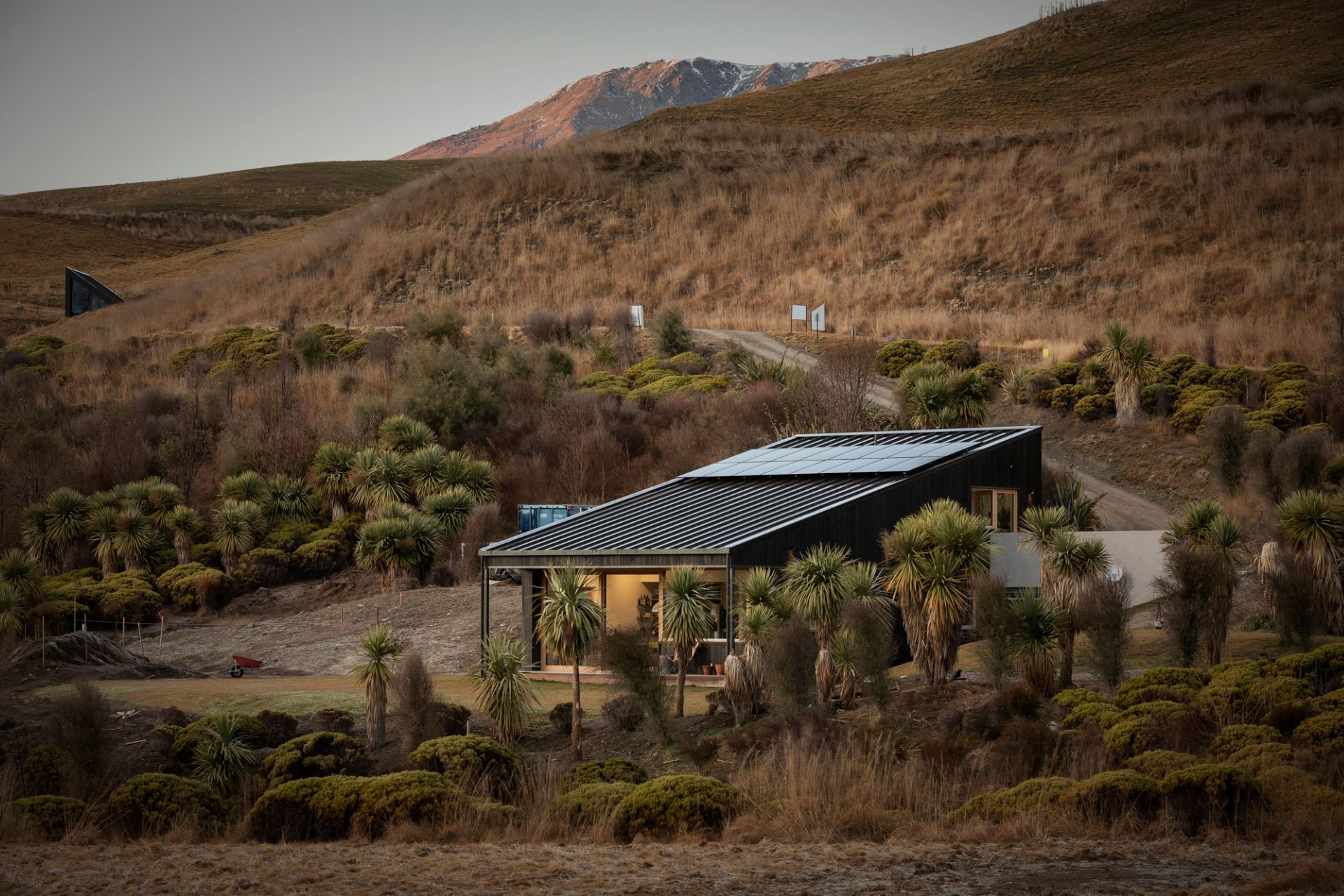
Great architecture does both

Siân Taylor is an award-winning sustainable architect, consultant, activist and keynote speaker. One of New Zealand’s first Passive House certified architects, the Team Green Architects co-founder says good architecture shouldn’t force us to choose between performance and design.
What makes a great architect great, and why?
Great architects help a client uncover what is most important to them, and then translate that into a building which will not only function in ways they have not expected, but will look beautiful and uplift their soul.
What makes New Zealand architecture stand out?
Because New Zealand is a relatively new country, and growing, we have the freedom here to create new, interesting buildings without the boundaries (generally speaking) of a strict planning process. Architects here, I’ve found, are able to flourish in ways I don’t see in other parts of the world.
I think it’s partly this freedom and partly the Kiwi culture, which promotes ‘punching above our weight’ in many areas — arts, food, wine, sport. We are encouraged to care about creating good work!
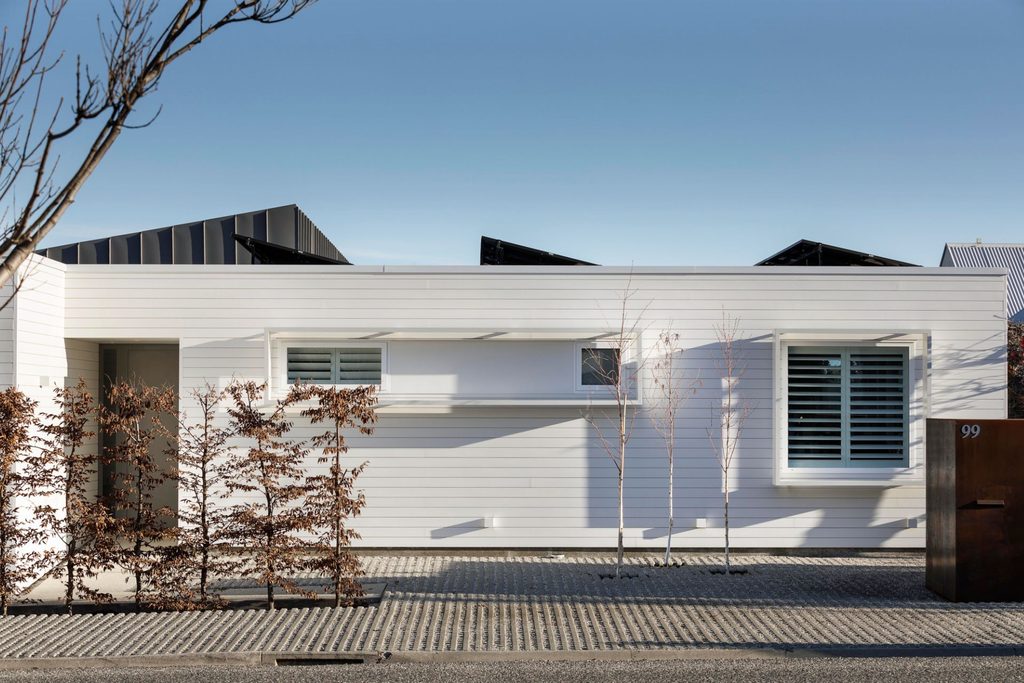
What central values do you hold, and why?
I feel strongly that our buildings should be healthy, comfortable, low energy and durable, to stand the test of time. A building which is purely focused on form, and doesn’t take care of its inhabitants or the environment, will ultimately be knocked down — and this is so wasteful, it upsets me greatly.
How does one develop a sense of architectural style?
As we have never consciously set out to develop a particular architectural style, I’m not sure I can answer that directly. For us, it is more important to understand proportion, materials and detailing, and to create spaces that work well for the people using them.
At the same time, we are always considering the overall form of the building, how it responds to the site, and how it sits within its wider environment. Over time, those decisions tend to create a consistent body of work, but it is a result of the design process rather than a style we are deliberately trying to achieve.
What are some unexpected ways to bring design drama and interest?
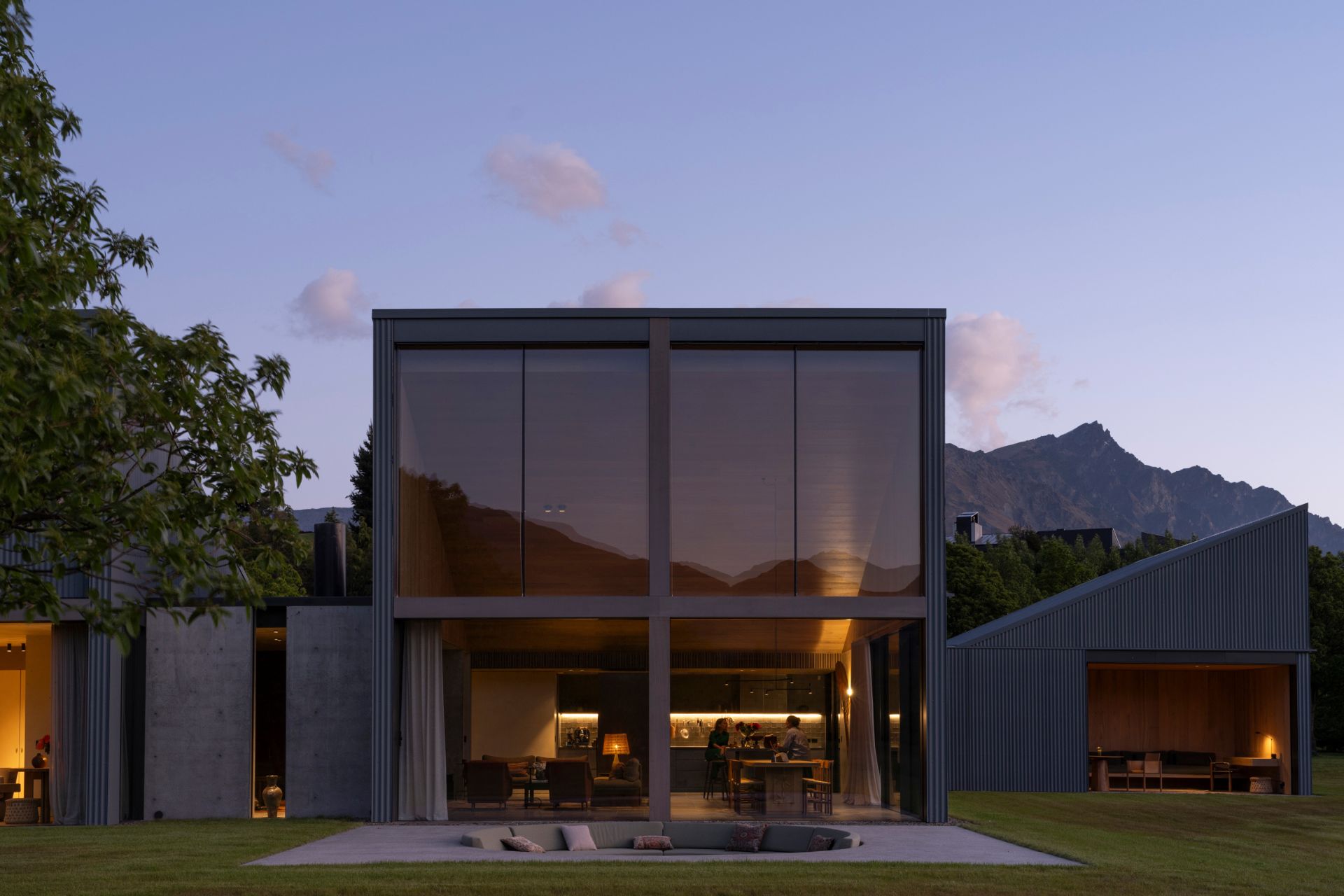
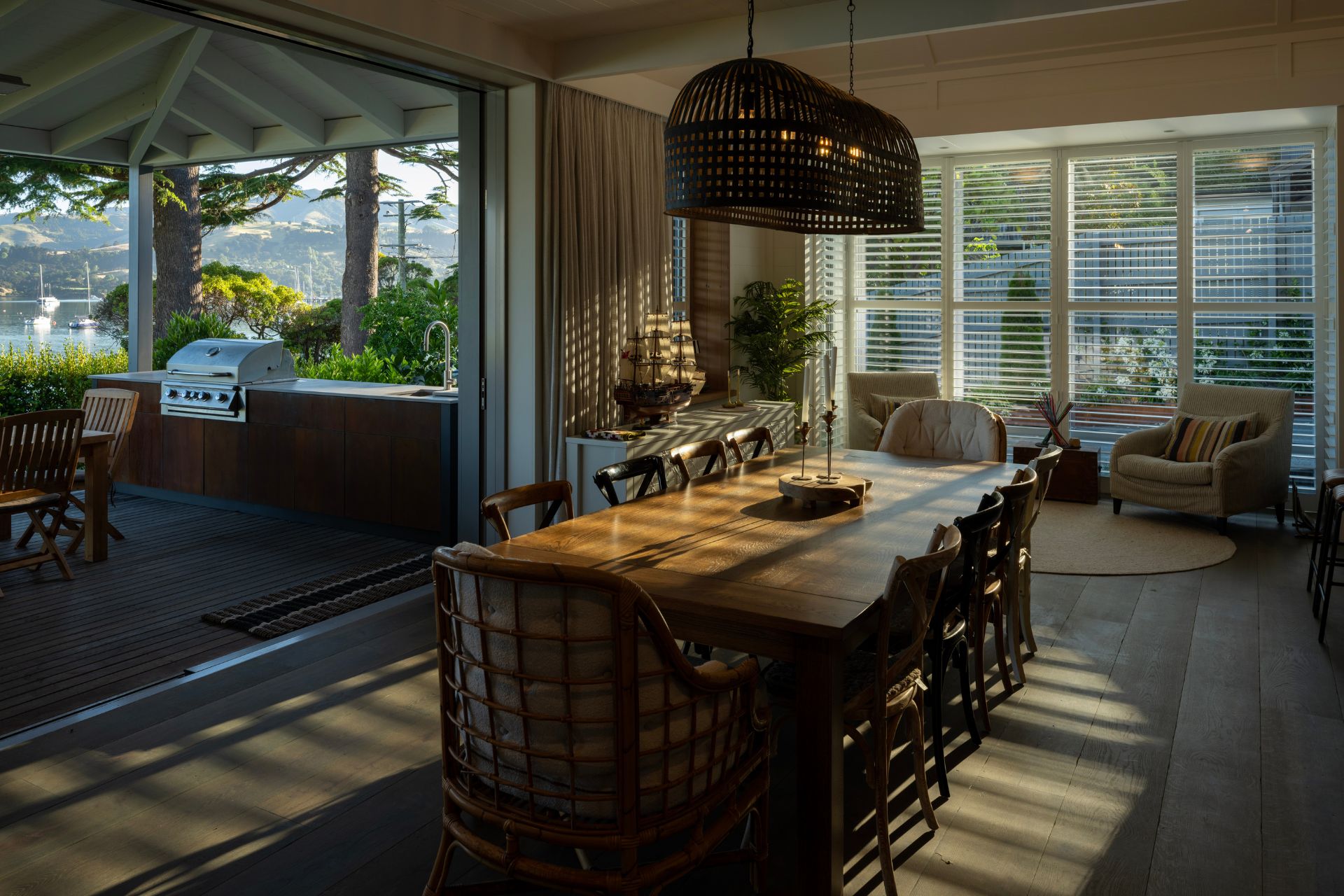
Understanding light and space is one of the most powerful tools available, and it doesn’t necessarily have to cost a lot. The way natural light moves through a home during the day can completely transform how a space feels.
I also think contrast is important. A deliberately darker, more intimate space can make a bright, light-filled room feel even more dramatic. Both spaces are enhanced by the presence of the other.
Beyond that, good design comes from really understanding how people will live in a home. Many houses fall short because they haven’t fully considered how people will inhabit the space.
How will they move through it? Where will furniture go? Is there enough storage? Where does the TV sit?
These things shouldn’t be afterthoughts. When the practical aspects are resolved well, the architecture has a much better chance of succeeding.
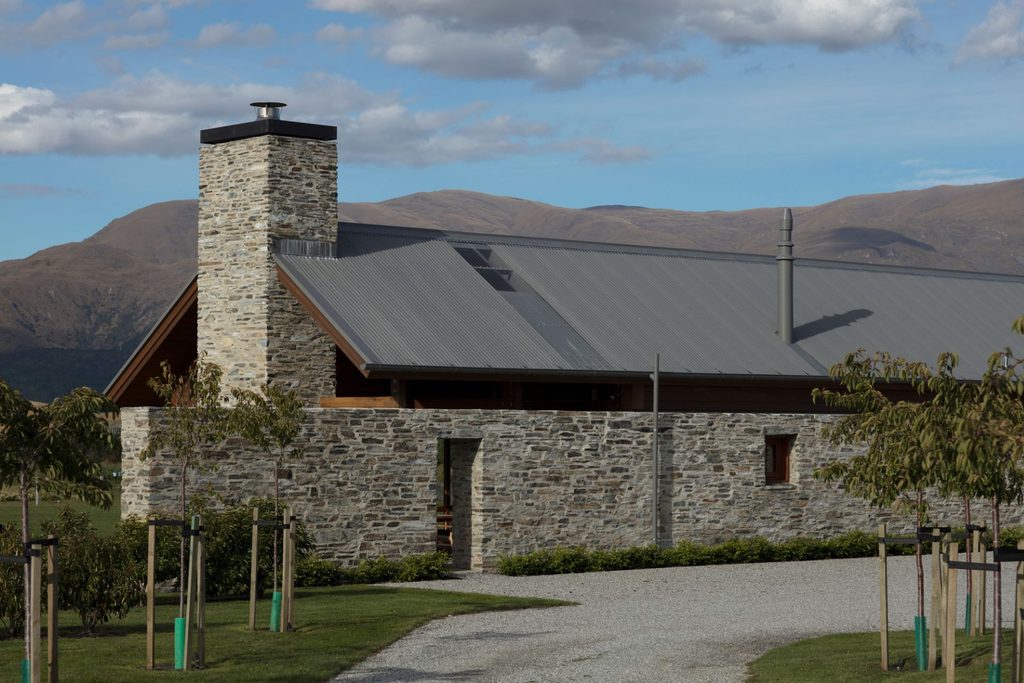
What advice would you give budding architects, no matter their life stage?
Pay attention to the buildings and spaces around you, and try to understand why they work. When you walk into a space that makes you stop and experience something, ask yourself why.
Was it the quality of the light, the proportions, the view, the materials, or the way the space unfolded as you moved through it? What was it that made that moment memorable?
Equally, pay attention to places that don’t work. Why do they feel uncomfortable, awkward or disappointing? What could have been done differently? Where are the biggest missed opportunities in sustainable architecture?
I believe mandatory energy and carbon modelling of our buildings is one of the biggest opportunities we are currently missing. If we are serious about reducing the environmental footprint of the built environment, we need to start measuring what we are creating.
Buildings and construction account for around 37% of global energy-related CO₂ emissions, and approximately 20% of New Zealand’s emissions. If we are to meet the climate commitments we have made as a country, this is an area we simply cannot ignore.
The benefit is not just environmental. Better-performing buildings are healthier, more comfortable and often more affordable to operate. Sustainable design is ultimately about people, how they connect to their environment, and creating buildings that support wellbeing while using fewer resources.
What do you see as the future of New Zealand architecture?
I think the future of New Zealand architecture lies in creating buildings that respond appropriately to their environment. As a country, we still haven’t fully got this right. Too often we import ideas, forms and materials from elsewhere without considering whether they are suited to our climate, landscape and way of living.
The buildings of the future need to be more responsive to their site, use less energy, be healthier for the people who live in them, and make better use of natural resources. At the same time, they should remain beautiful and uplifting places to be. Good architecture should not force us to choose between performance and design.