Home heating guide

Choosing the right heating system can make a big difference to comfort and running costs. From heat pumps to log burners, underfloor heating to central systems, there are many options to suit different homes and lifestyles.
Heat pumps
Heat pumps are a popular choice for their energy efficiency, often producing three to four times more heat energy than the electricity they use. On average, running a single-zone heat pump can cost around $5–$10 per day in winter, depending on size and usage. Inverter models are more efficient than fixed-speed units. Heat pumps are ideal for homes with good insulation and for heating living spaces rather than the whole house.
Central and ducted heating
Central and ducted systems can heat an entire home evenly. They are designed to heat multiple rooms at once, typically using water pipes or ducted air systems. Radiators in a water-based system emit radiant heat, which warms objects and surfaces in the room, helping maintain a comfortable temperature even after the system cycles off. Ducted systems blow warm air through vents, creating a more immediate but less lasting warmth. Central systems are ideal for larger homes, but installation and running costs can be high, particularly if the system is older or poorly maintained. Running costs can range from $8–$15 per day for an average family home, depending on insulation, house size, and how many zones are in use. These systems work best in larger homes but may be less economical if you only need to heat a few rooms.
Electric heaters
Traditional plug-in electric heaters are simple and flexible but come with higher running costs. Convected heat warms the air around the heater rather than heating the walls or floors. While electric heaters can be useful for quickly heating a small room, running multiple units can quickly become expensive.
A standard fan heater can use 2 kW of electricity, which can add up to $3–$5 per hour. Using multiple heaters for several hours a day can quickly add up. These heaters are best for short-term use or small rooms rather than as a primary heating solution.
Log burners
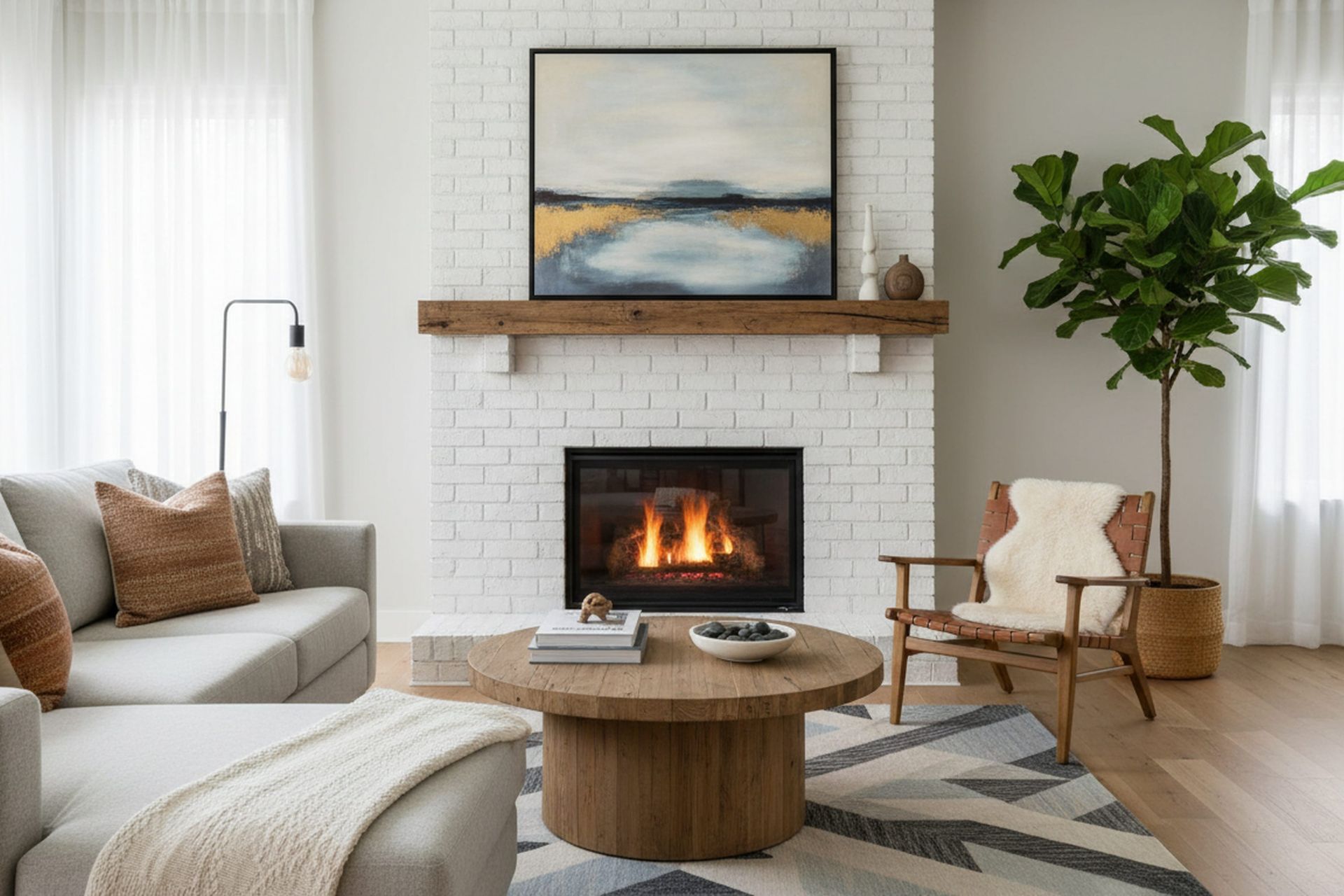
Log burners provide strong radiant heat output and a cosy atmosphere. Modern, compliant wood burners are relatively efficient, and one full load of dry, seasoned firewood can provide a day’s warmth in a typical living area. The price of firewood is around $7–$12 per day, depending on local supply and the size of the fire.
Underfloor heating
Underfloor heating is used in bathrooms and kitchens. Hydronic systems, which circulate heated water beneath the floor, are highly efficient if paired with a gas or solar water heater. Running costs for hydronic systems vary but are generally lower than those of electric underfloor heating. Hydronic systems circulate warm water beneath the floor, providing gentle radiant heat that spreads evenly across a room. This type of heating feels very natural and is excellent for bedrooms and living areas.
Electric underfloor systems work on a similar principle but can be more expensive to run in larger spaces. A major benefit is that underfloor heating warms surfaces rather than just the air, so even if you turn it off for a while, the room remains cosy. Electric systems can cost around $7–$12 per day to operate in cooler months, while hydronic setups can run at about $4–$8 per day if optimised with a modern boiler or heat source.
Outdoor heating
Outdoor heating can extend the use of decks and patios in cooler months. Gas or electric patio heaters can make outdoor spaces comfortable, but running costs are higher than those of indoor systems. A gas patio heater might cost $5–$10 per hour, while electric radiant lamps can cost $3–$6 per hour. Using these heaters only for short periods, like dinner or entertaining, helps keep costs manageable.
Efficiency tips
High-energy electric resistance heating, such as old fan heaters, is the least cost-efficient option. Investing in modern, energy-efficient systems and pairing them with insulation and smart controls makes a big difference.
Regardless of your heating system, your running costs will drop with proper ceiling, floor and wall insulation. Double glazing and draught-proofing will help keep heat inside. Using timers, thermostats, and heating zones so only occupied rooms are warmed also reduces energy use.