How to work with your architect

Working with an architect to design your home is one of the most rewarding and important steps in creating a property that fits your lifestyle, budget and vision.
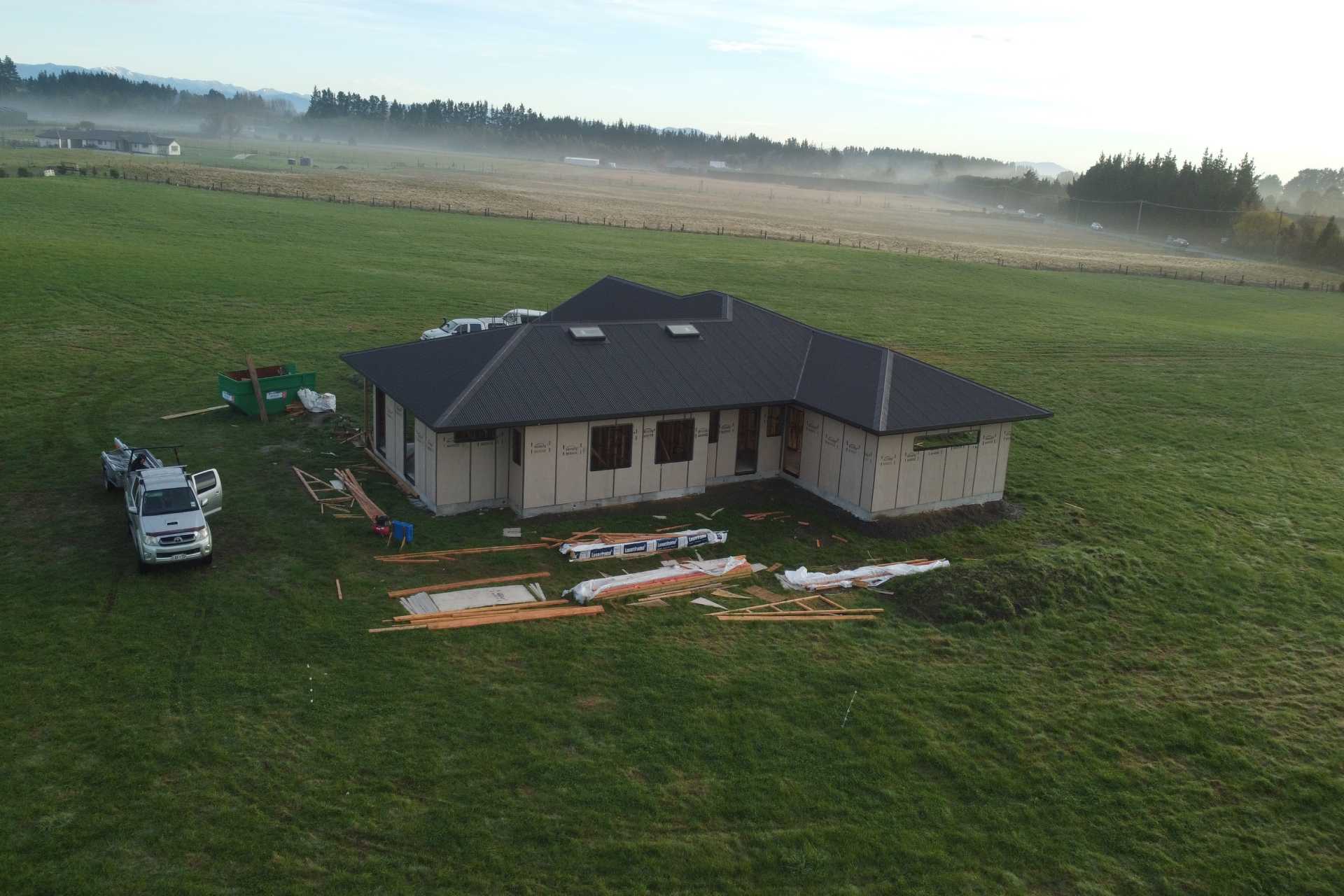
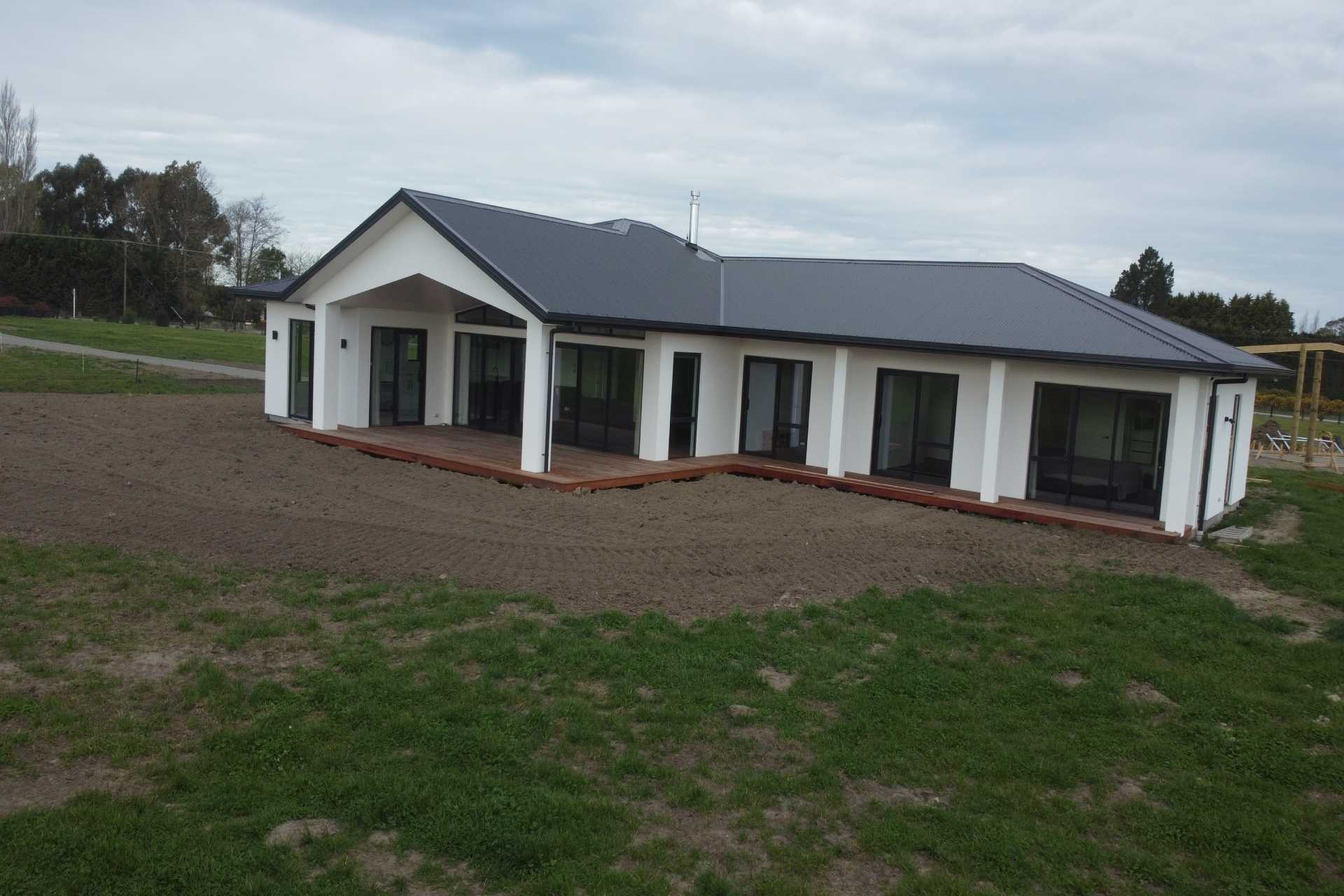
Once Tania Moore and her partner had chosen an architect for their West Melton home, they got started on the design process. “My partner has built about three houses before. We bought the block and had it for about two years and slowly designed what we wanted. Then we went to our architect and got them to draw it up for us.”
Here are the key things to consider to make the design process smooth, collaborative and successful:
Set a realistic build budget
Your architect can help you make the most of your budget, but they’ll need clear parameters from the start.
Include build costs, professional fees, consents, landscaping and contingency funds (typically 10–15%). If your site is on a hillside, you may need more contingency to cover engineering fees and additional foundation costs.
Be honest about your financial limits. This helps the architect design smartly and avoid surprises later.
When Tania and her partner reached out to their architect, they had a clear vision and budget for the design.
“Prioritise where to spend and where to save,” says Tania. “We’ve got a lot of glass in the house and for the sake of where the block is it was worth doing. With the views out there it’s phenomenal.”
Understand the Architect’s Role
Architects do much more than draw plans. They:
- Manage the design, consent and documentation process
- Coordinate with engineers, surveyors and builders
- Ensure your home meets building code and local council regulations
- Can oversee construction to make sure your vision is built as intended
Knowing what’s included (and not included) in their services will help avoid misunderstandings. Tania’s architect visited the site in the early stages of the project and managed the consent process. They were also available for the builder to answer any questions that came up on site.
Understand the design process
The process usually includes:
- Client brief – refining the requirements of the design including site analysis
- Concept design – early sketches exploring ideas and layout
- Developed design – refining details, materials, structure and rendered drawings
- Building consent documentation – technical drawings for council approval
- Construction observation – optional, but valuable for quality control
Ask your architect to explain each stage, what’s expected of you and the timeline involved. Tania recommends having a clear idea of non-negotiables or must-haves to ensure that you and your architect are on the same page from the beginning. “We asked the architect to make sure we had views of the mountains from every window. We wanted a really big lounge and to make it all open plan with a decent sized scullery,” says Tania. Three large double bedrooms, an office and a really big garage for two four-wheel drives were also non-negotiables.
Keep in mind that feedback is an important part of the process. Architectural professionals can provide you with rendered images to give you a sense of the space and to give you an idea of how things will fit in each room. If your budget or site restricts the size of your home, architects have the skills to maximise space with clever design solutions and built-in furniture.
Tania recommends visiting show homes to get a sense of how large you’d like each room to be. “Look at the size of rooms and the size of hallways,” says Tania. “See if you can make the rooms a foot or two feet bigger. It is nice just to have that little bit of room everywhere.”
Communication is key
It’s important that the process of working with an architectural professional feels comfortable and collaborative. Here are some ways to manage the process:
- Regular, open communication helps keep the project on track.
- Schedule check-ins or design reviews at key stages.
- Be honest about feedback, architects appreciate clear direction.
- Keep written records of design decisions and cost updates.
Trust the process
Great homes are built on collaboration and trust. Once you’ve chosen an architect you connect with, give them creative freedom within your brief. Their expertise often turns good ideas into brilliant, livable design.
Architect and builder collaboration
Architects and builders in New Zealand typically work together through a collaborative, staged process that aligns design intent with practical construction considerations. During the concept and detailed design phases, architects develop the overall vision, layout, materials, and compliance pathways, while builders or construction companies may be consulted early to provide price estimates, feasibility insights and advice on buildability.
Early contractor involvement (ECI) is increasingly common in New Zealand, especially for complex or high-performance homes, as it helps identify cost-saving opportunities, refine structural choices and ensure the design can be achieved within the client’s budget. This early collaboration also supports clearer planning for Building Code compliance, particularly for structural integrity, energy efficiency, moisture management and accessibility.
Once construction begins, architects and builders work together to ensure the project is delivered as designed and meets all required standards under the Building Act and the New Zealand Building Code. Architects may conduct site observations, answer technical queries and issue variations or clarifications as needed, while builders coordinate subcontractors, manage timelines and implement the design on the ground.
Communication between the architect and builder is key. While some projects may be quite straight forward and require minimal communication between the architect and builder; other more complex projects may dictate regular site meetings to help resolve any queries or issues quickly. Strong collaboration between architects and builders reduces the risk of delays or expensive changes at a later stage.
In the case of the West Melton project, Tania’s builder contacted the architect directly with a few queries which were easily resolved.
“The process was great with the architect and the builder has been great too,” says Tania. “I wouldn’t change anything. Everything has been really easy.”