Improve your indoor air during winter

As temperatures drop across the country, many of us turn to the comfort of a warm home and a crackling fire. But while winter brings cosy evenings, it also brings a less visible concern: the quality of the air we breathe.
Even on clear, still days, winter air can carry high levels of fine particle pollution. These particles are so small they’re invisible to the naked eye, yet they can have a significant impact on our health.
In regions such as the South Island, cold conditions and calm winds can trap pollution close to the ground, allowing it to build up over time.
Air quality monitoring focuses on particulate matter, commonly referred to as PM. The two key types are PM10 and PM2.5, which are classified by their size. PM10 particles are smaller than 10 micrometres, while PM2.5 particles are even finer: less than 2.5 micrometres in diameter.
The difference in size matters. Larger particles like PM10 tend to irritate the eyes, nose, and throat, while the much smaller PM2.5 particles can travel deep into the lungs and even enter the bloodstream.
These finer particles are linked to more serious health issues, particularly for children, older adults, and people with existing heart or respiratory conditions.
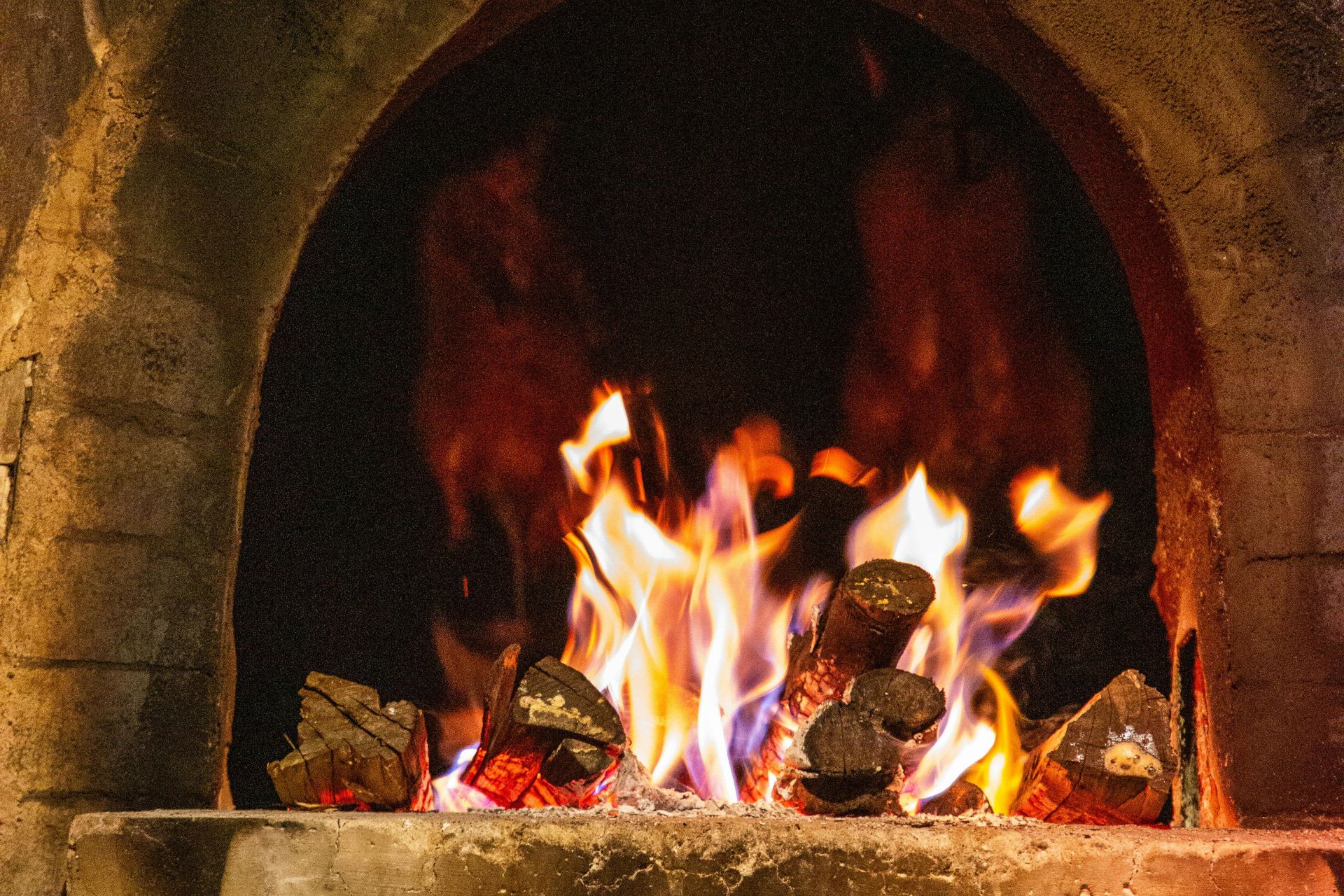
During winter, a major source of these particles is home heating, especially from wood burners. Burning wet or treated wood produces more smoke and significantly increases levels of PM2.5 in the air. That means everyday choices at home can directly influence the air quality across entire communities.
The good news is that small changes can make a noticeable difference. Using dry, well-seasoned wood and ensuring fires burn hot with good airflow can reduce smoke output.
Avoiding smouldering fires and choosing quality fuel from trusted suppliers also helps limit harmful emissions while improving heating efficiency.
In some areas, older, non-compliant wood burners are being phased out as part of wider efforts to improve air quality. These changes, combined with better burning practices, are helping to reduce pollution levels over time.
Monitoring tools, such as regional air quality data and platforms like LAWA (Land, Air, Water Aotearoa), allow residents to check pollution levels in real time.
Understanding what’s in the air empowers people to make informed decisions, whether that’s adjusting heating habits or limiting outdoor activity on high-pollution days.
Cleaner air is an environmental goal and essential for our wellbeing. As winter settles in, being mindful of how we heat our homes can help protect not only our own health but the health of our wider community.