Maximise space by minimising clutter

After a few years in the same home, it’s not unusual to find the storage that worked for you in the beginning no longer meets your needs. Whether it’s a growing family, expanding hobbies or a penchant for accumulating collectables, over time the excess of everyday belongings can make even a well-designed house feel short on space. Before undergoing a costly renovation or the upheaval and expense of moving house; consider taking an audit of your belongings and discover the hidden storage opportunities within your home.
Start with de-cluttering
Many households hold onto items out of habit rather than genuine need. For some it’s those clothes in the back of the wardrobe or hidden in the depths of our drawers that we’re almost sure we’ll fit into one day or will come back into fashion. Or the thing we want to sell, when we get around to it. Duplicate kitchen gadgets, old paperwork and unused décor can over fill our storage spaces. Some of us are baffled by a seemingly infinite array of mysterious device cables that tangle up in overfilled boxes. We tell ourselves that one day, they might just be useful for something.
It’s no surprise that addressing the clutter can feel like an overwhelming, insurmountable task. But there are some simple, practical ways to de-clutter and reorganise your home. Begin by sorting belongings into three categories: keep, donate or sell and recycle or discard. Items that are rarely used but still valued such as family keepsakes, seasonal decorations or hobby equipment deserve organised storage.
Everyday essentials should remain easily accessible. If you’re struggling to let go of unused items or clothing then give them the one-year test. If the item hasn’t been used or worn for 12 months or more, chances are that it’s time to let it go. If this sounds too cut-and-dried for you and there’s a sense of nostalgia or emotional connection to particular unused items then they can be kept under the category of “treasured possessions.” These items don’t need to be accessed every day so can be easily boxed up and stored with family keepsakes.
Letting go of unused belongings can free up a lot of space in your home, making you feel better about your home altogether.
Rethink overlooked spaces
While the garage is the most obvious storage space in many New Zealand homes, it’s not an option for everyone. For those in older homes, modern apartments, or multi-purpose garages that also host the laundry or a workshop space, other storage areas are needed.
Most homes contain small areas that are rarely used effectively. These often provide the best opportunities for discreet storage. Many older homes have large roof cavities, that can easily be converted into storage spaces. Installing a foldable ladder up to a man-hole with a floor of structural plywood is ideal for keeping long-term storage items out of sight.
Under the stairs is another good spot. Instead of leaving this space empty or awkwardly filled, custom drawers, cupboards or pull-out shelving can transform it into a practical storage zone for coats, shoes, sports equipment or cleaning supplies.
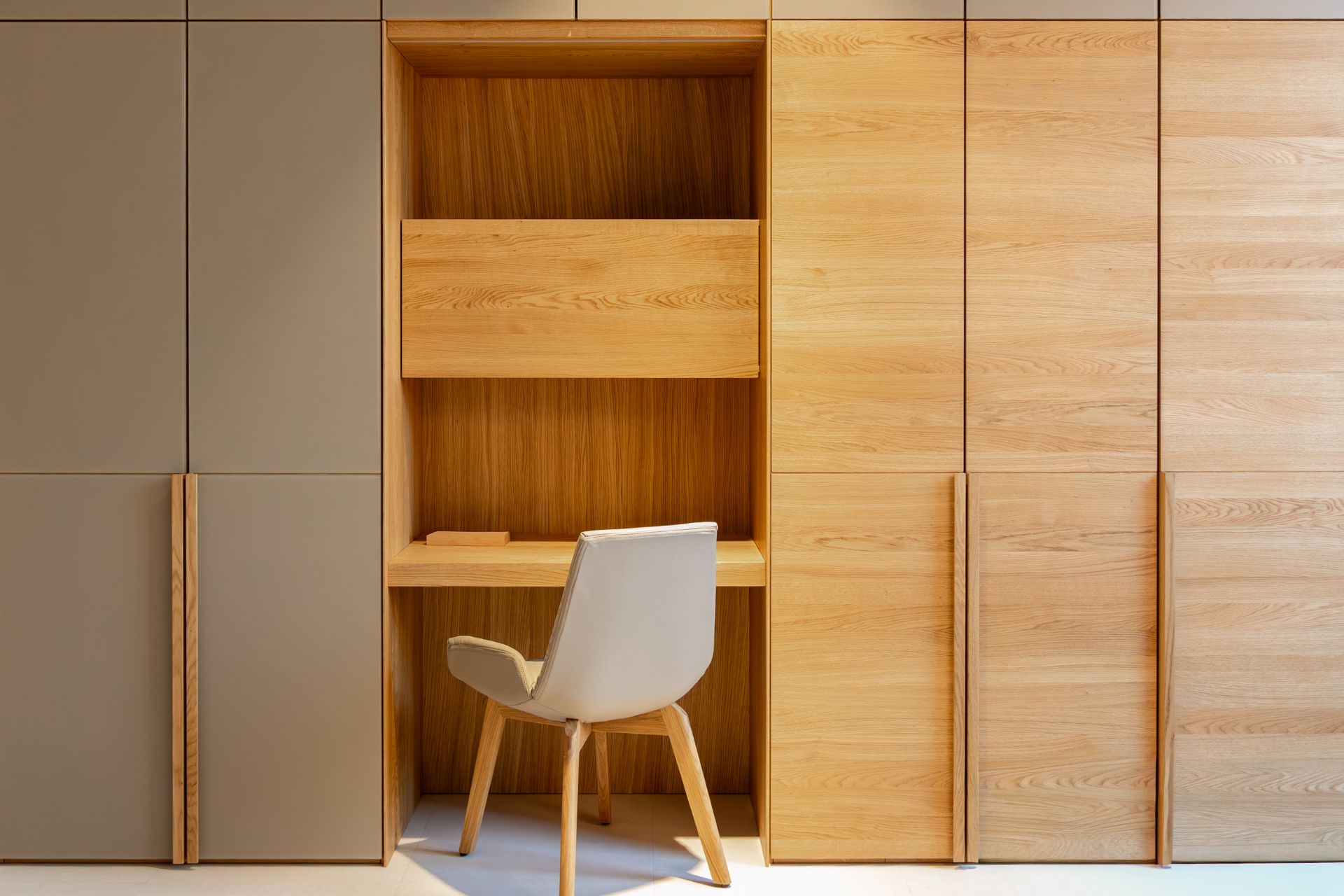
If like many Kiwis you live in a single-level home, hallways are another overlooked area. Slimline cabinetry or shallow wall-mounted shelves can store books, shoes, coats, baskets or decorative items without obstructing walkways. Even awkward corners can be utilised with corner shelving, built-in cabinetry or compact desks that double as storage.
Make the most of vertical space
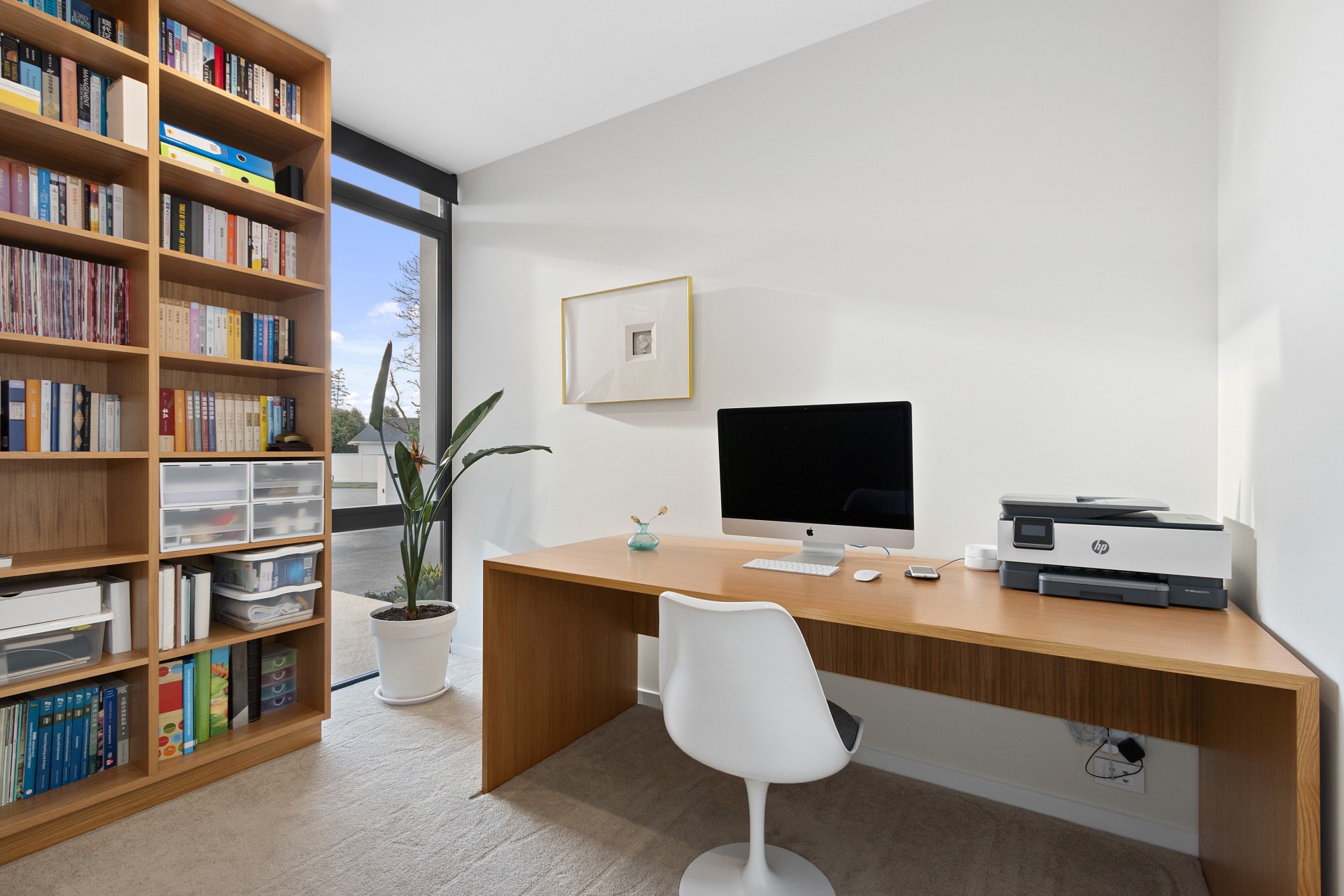
When floor space is limited, looking upwards can reveal surprising possibilities. Many homes have significant unused wall space that can be converted into storage. Floor-to-ceiling shelving is one of the most effective solutions, particularly in living rooms, studies or bedrooms. Not only does it create additional storage, it can also become an attractive design feature when styled with books, artwork and meaningful objects.
In kitchens and laundries, wall-mounted rails, hooks and hanging racks can keep frequently used utensils within reach while freeing up bench space. Tall cabinetry is another useful option for storing items that are not needed every day.
Choose furniture with built in storage
Multifunctional furniture is increasingly popular in homes where space is at a premium. These pieces provide storage without requiring extra floor space.
Beds with built-in drawers are ideal for storing linen, blankets or out-of-season clothing. Ottoman benches are an attractive and practical addition to hallways, ideal for storing shoes as well as putting them on. Coffee tables with shelves and drawers can store magazines, toys or board games and sofa beds can convert a home office or playroom into a bedroom for guests. Some sofa beds also have additional draw storage. In living areas, modular shelving systems can adapt as needs change, allowing sections to be rearranged or expanded over time.
Create storage where you need it most
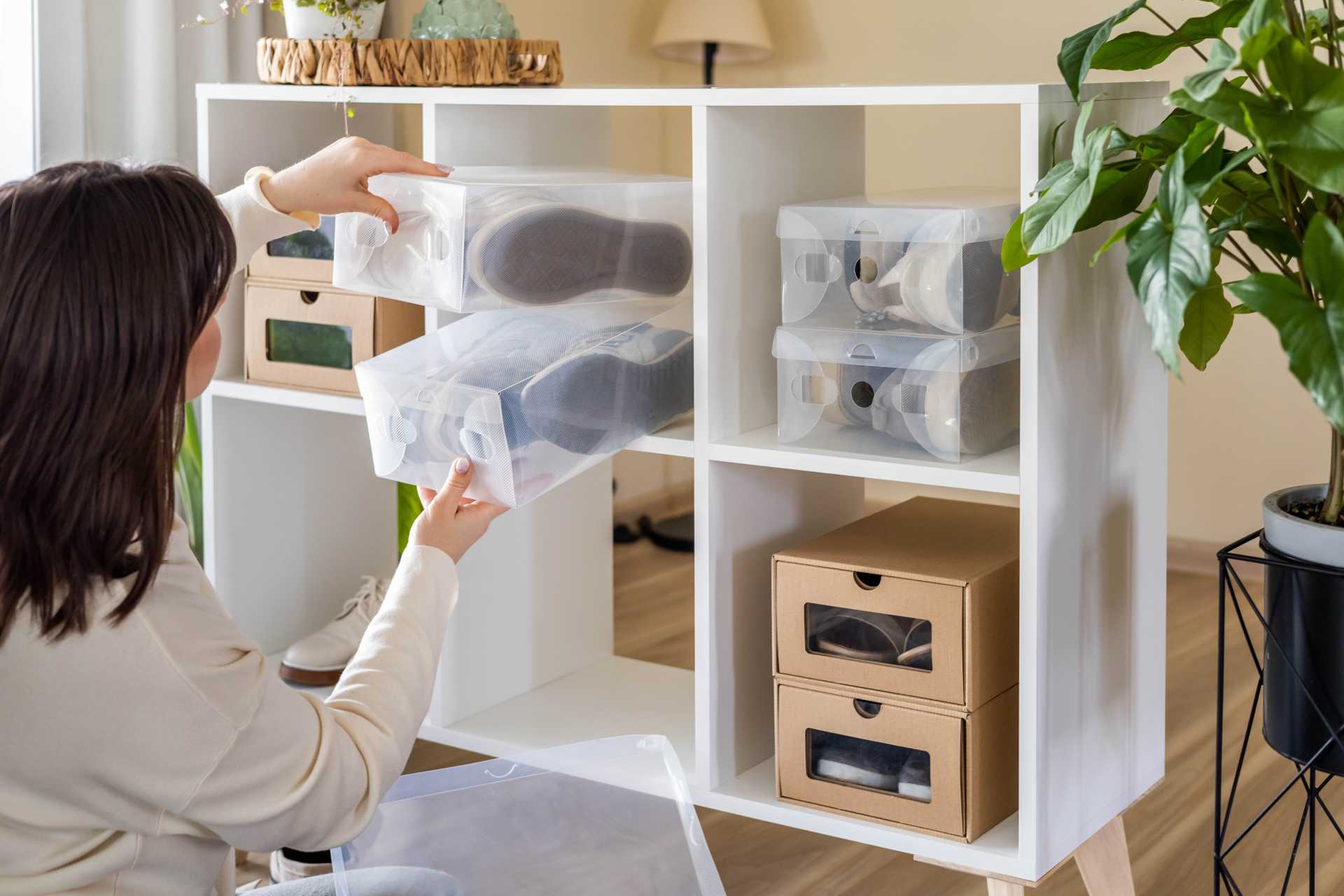
Sometimes clutter gathers in particular areas simply because there is nowhere convenient to put things. Many of us have at least one chair in our homes that serves as a makeshift coat hook or shelf. Creating storage close to where items are used can make daily life significantly easier. An entryway storage zone with hooks, baskets and a small cabinet can contain shoes, bags and coats before they spread through the house.
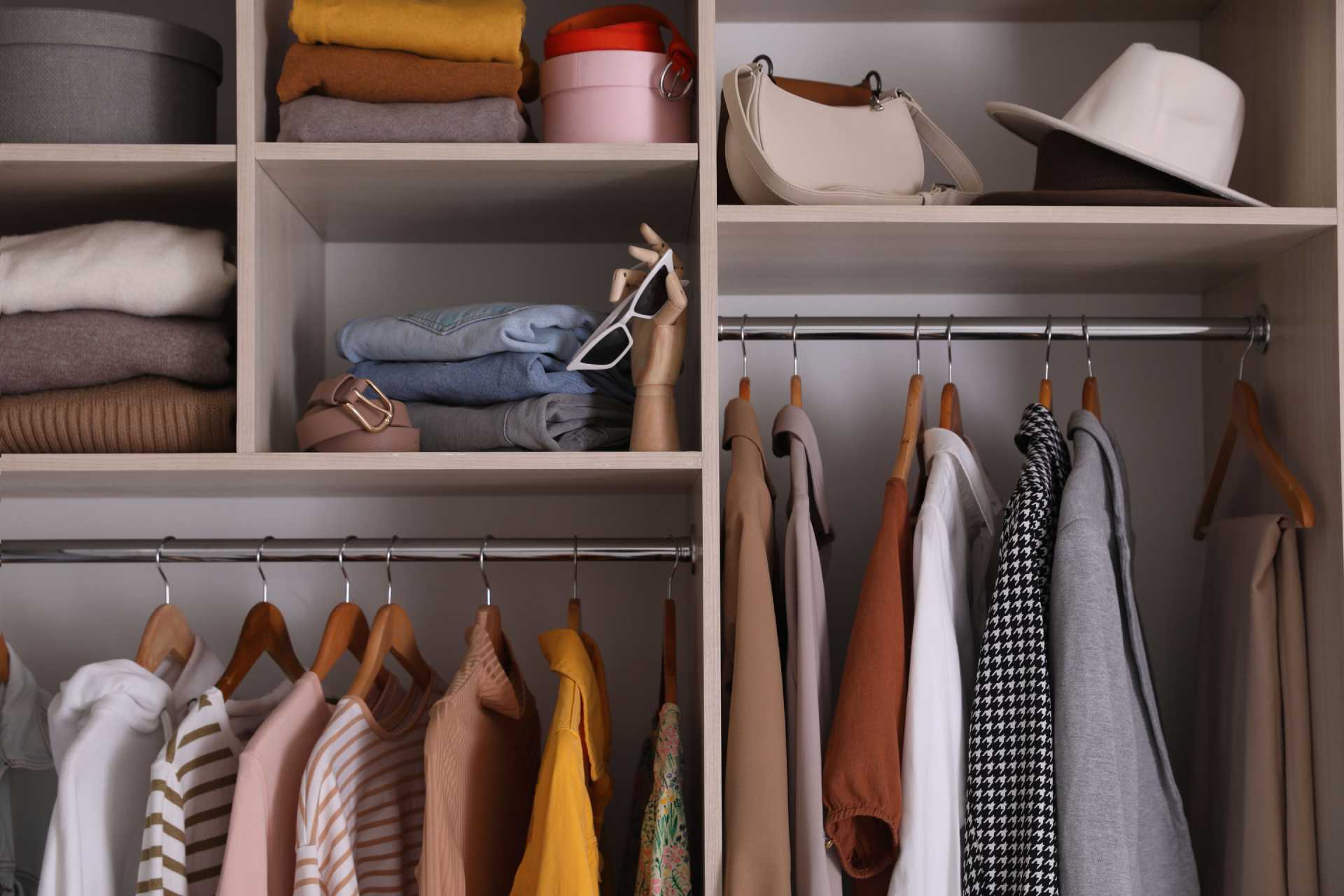
In bedrooms, adding simple wardrobe organisers such as extra shelves, drawer dividers or hanging racks can dramatically increase usable space. Laundry rooms also benefit from practical storage, with wall cabinets, fold-down drying racks or pull-out hampers helping to keep the area tidy and functional.
Display treasured items
While reducing clutter is helpful, some possessions carry genuine sentimental value. Family heirlooms, travel souvenirs or collections deserve thoughtful storage that both protects and celebrates them.
Glass-front cabinets, floating shelves or display niches allow treasured items to be visible without creating visual clutter. Archival boxes or labelled storage containers can keep delicate items safe while ensuring they remain easy to find.
Small changes make a big impact
By clearing out what you don’t need and adding storage in overlooked spaces, many households discover they already have the room they need. Thoughtful storage solutions can restore a sense of order, making daily routines easier and allowing a home to evolve alongside the people who live in it. With a little bit or letting go and a good amount of organisation, your home can be the perfect fit for you and your things that matter.