Is AI slop on Pinterest hurting interior design?

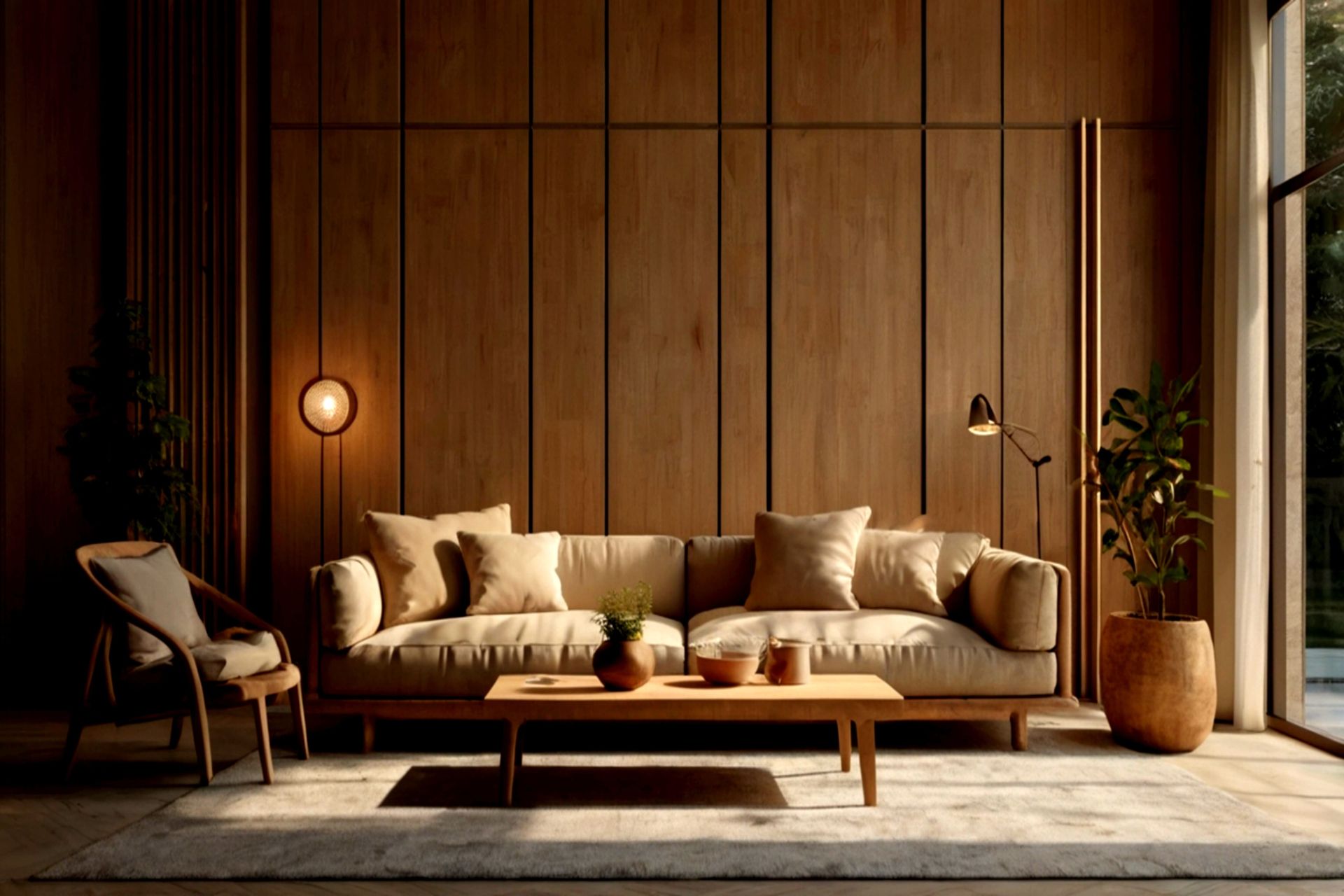
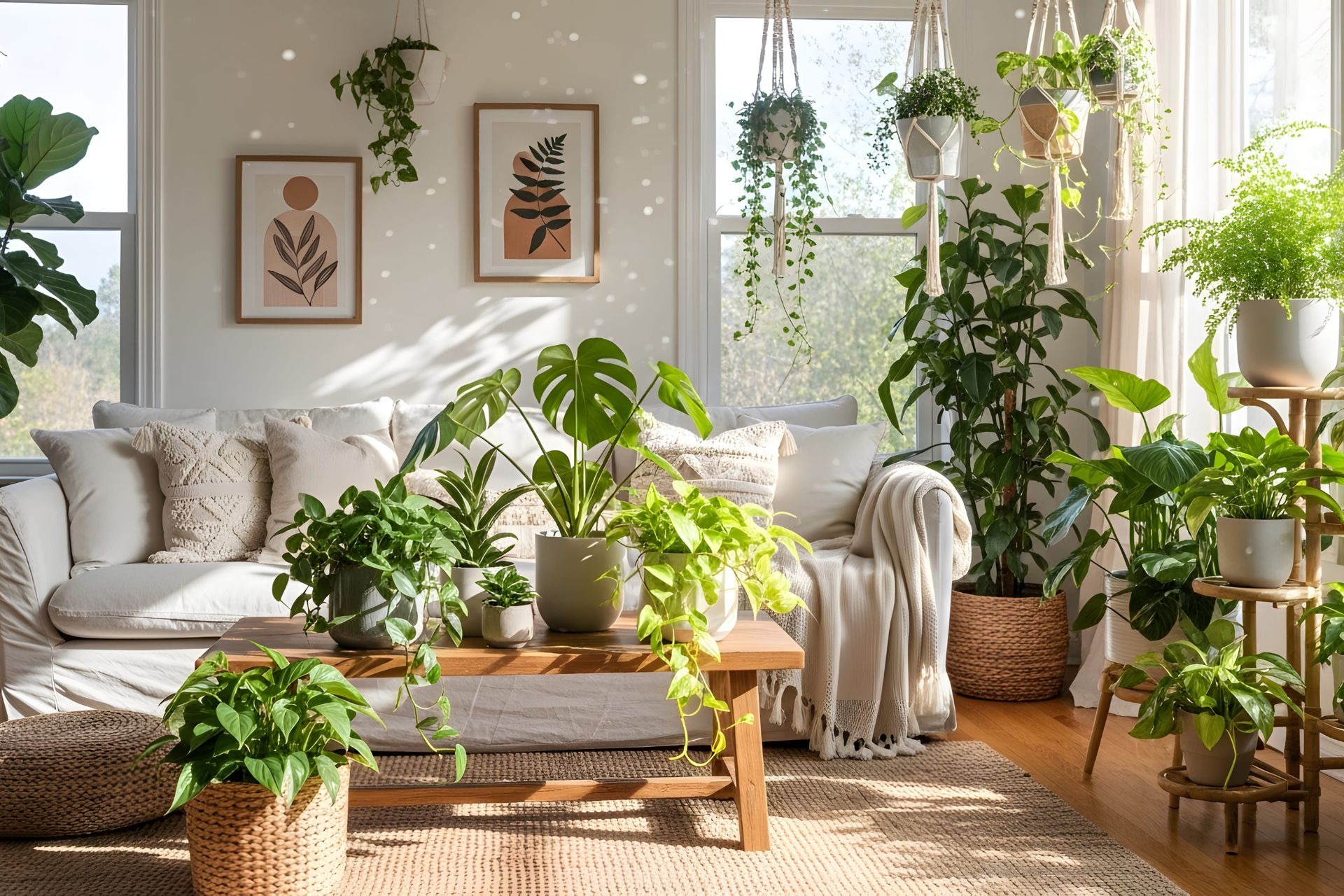
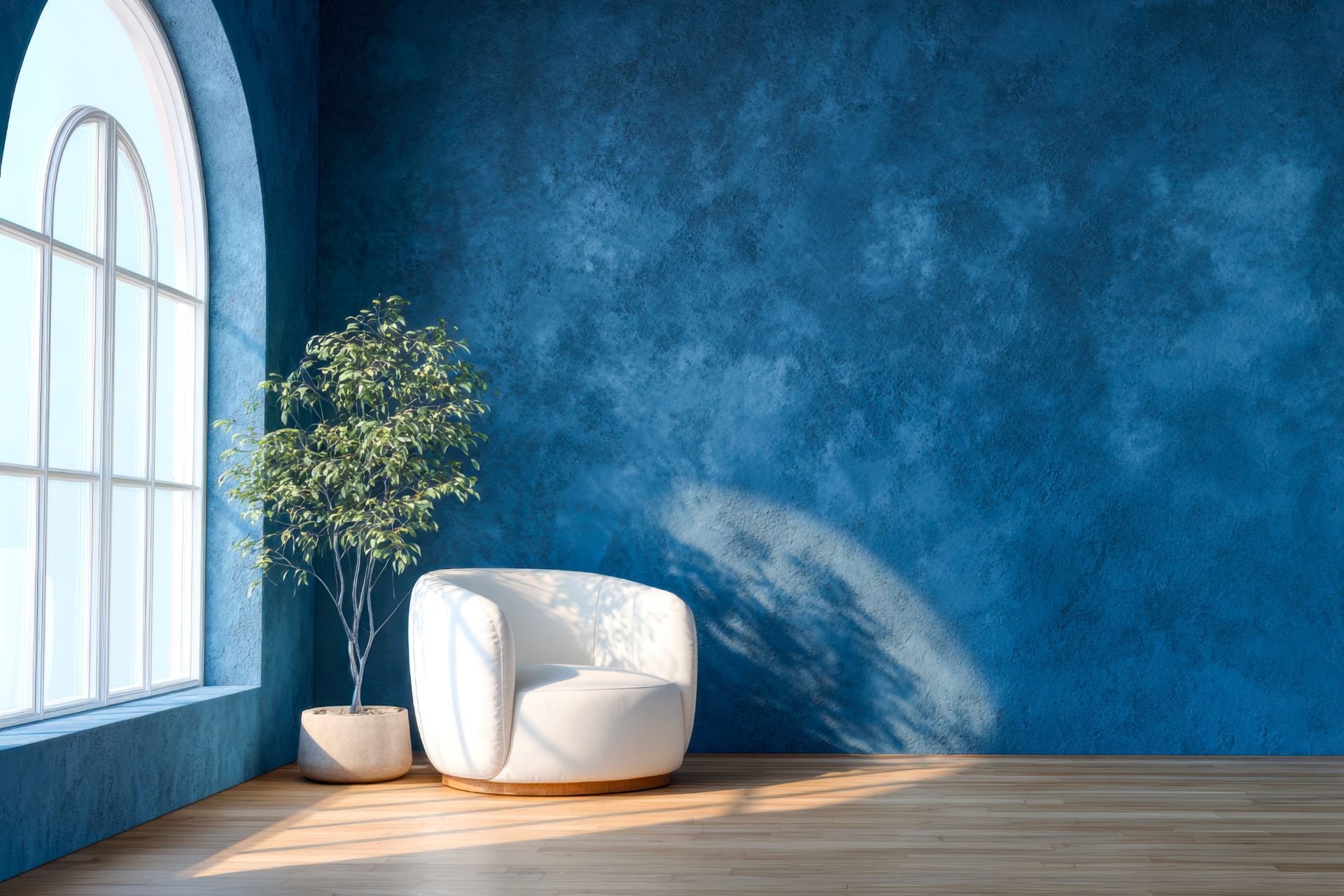
Pinterest has long been the place where renovators and decorators go to collect ideas. Boards of kitchens, bedrooms and bathrooms have shaped countless projects. These days, though, a growing share of what turns up in a search for a cosy living room was never photographed in a real one.
A flood of generated rooms
Reporting in early 2025 described Pinterest as engulfed in AI generated content that frequently ranked among the top results for common searches, including home inspiration and DIY. The report found that much of it links back to AI-powered content farms that use Pinterest to draw traffic and cash in on display advertising.
Users have been blunt about the effect. People looking for interior design ideas said that everything they found looked artificial, and some said they no longer trusted what they saw.
Forum threads from renovators say the same thing. One homeowner hunting for ideas for a tiny ensuite found that the AI designs gave no accurate sense of how lighting would work in a small space. Others complained about endless variations of the same layout and colour scheme, with small tweaks each time.
Why it matters for real homes
A photograph of a finished room shows something that exists. A generated image shows something plausible, and the gap between those two can be expensive. Toronto designer Ali Budd has described a client who brought in an AI rendering of a kitchen renovation, which ChatGPT estimated would cost $250,000.
Her team had to tell him it would cost substantially more. She points out that AI is very good at producing a beautiful image but tends to struggle with scale and function.
Other designers say generated images often include furniture, materials or lighting that do not exist as real products. The images are usually single, isolated visuals with no supporting documentation, so there is no product list to follow or room to compare it with. In the United States, stylists, vendors and designers have reported clients arriving with AI pictures and expecting them to be recreated, and say the images give people a false sense of what is possible.
Not everyone sees it as a crisis. Some designers note that clients have had unrealistic expectations of cost for years, long before AI. Many designers use AI tools themselves to speed up concept work and visualisation, and say the real skill clients pay for is judgement about what to keep and what to question with the builder.
The effect on trends
It is hard to prove that AI is steering interior trends, but several effects are plausible. AI models learn from what is already online, so generated interiors can feel plain or too familiar, which may nudge the look of popular boards toward sameness. Impossible pieces, such as shell shaped sofas and organic Gaudi style rooms, can also spread widely before anyone asks whether they can be built.
There is also a trust issue. Pinterest’s value was that people could see how real homes looked and what real people had done. Once a user cannot tell the two apart, the whole board becomes harder to rely on.
Pinterest’s response
Pinterest has started to act. In 2025 the platform introduced AI modified labels on images it detects, and followed with options to see fewer AI Pins in categories prone to generated content, including home decor. The controls sit in the settings under refine your recommendations and in the menu on individual Pins.
They have limits. They only affect content Pinterest actually identifies as AI generated, and the setting is framed as seeing fewer AI Pins, not blocking them.
How to use it wisely
If you are planning a renovation, treat any image as mood and colour direction rather than a plan. Look for real products, named suppliers and photographs of the same room from several angles.
Check how light falls and whether the proportions look possible. Magazines, builder portfolios and award entries offer the advantage that someone has actually built what you are looking at.
AI images are not the enemy, but a picture without a builder behind it should come with a question about how it would actually be made.