Poisonous plants in New Zealand gardens

From roadside weeds to popular garden ornamentals, some of New Zealand’s most familiar plants carry a hidden risk that many people walk past every day without realising.
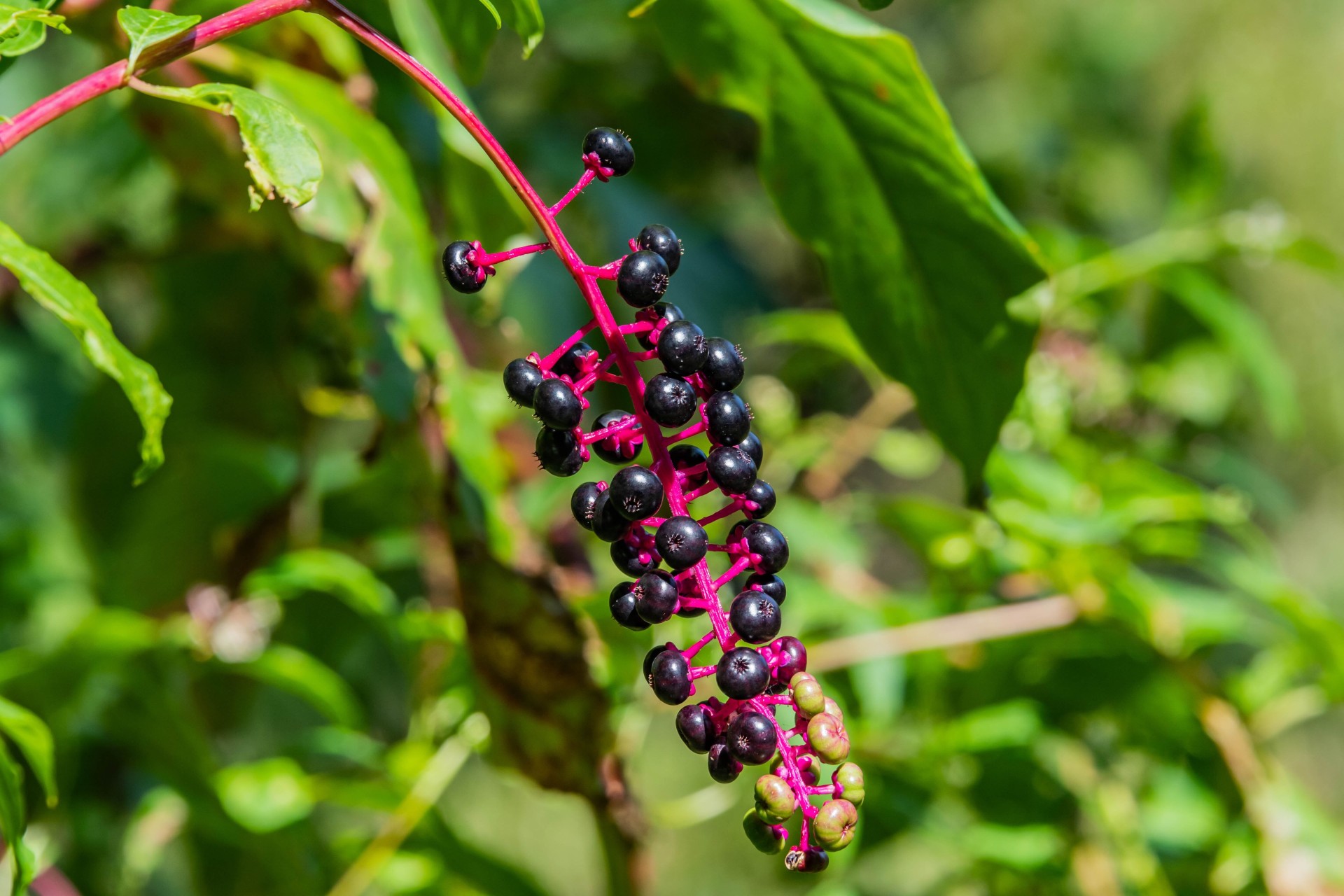
Among the most commonly overlooked is black nightshade (Solanum nigrum), a scruffy, fast-growing plant that often appears in vegetable gardens, paddocks, and vacant sections. It produces small green berries that ripen to black, which is where much of the risk lies.
While mature fruit is sometimes less toxic, the plant contains solanine throughout its leaves, stems, and unripe berries, a compound that can cause vomiting, abdominal pain, dizziness, and in more serious cases, neurological symptoms.
Children are the most vulnerable. The berries can look deceptively edible, especially when growing among other fruiting plants in home gardens. In warmer regions, nightshade can thrive almost unnoticed through spring and summer, blending into hedges or garden edges until it fruits.
A far more dangerous relative, deadly nightshade (Atropa belladonna), is far less common but significantly more toxic. Even small amounts can cause rapid onset symptoms including confusion, dilated pupils, hallucinations, and heart irregularities.
While it is not widespread in New Zealand, isolated sightings and historical plantings mean it still appears in some rural and older ornamental settings, often unidentified until removed.
But nightshade is only part of the picture. Across New Zealand gardens, several other plants routinely grown for decoration or structure carry toxic properties that are not widely understood.
Arum lily (Zantedeschia aethiopica), for example, is a familiar sight along stream banks and in damp gardens. Its striking white “flower” is often picked for arrangements, yet the plant contains sharp calcium oxalate crystals that can cause immediate burning of the mouth and throat if eaten. Even handling cut stems without care can irritate sensitive skin.
Another hazard is the castor oil plant (Ricinus communis), sometimes grown for its dramatic tropical foliage. Its seeds contain ricin, a naturally occurring toxin so potent that ingestion of just a few seeds can be fatal, particularly for children or pets.
Foxglove (Digitalis purpurea), widely admired in cottage gardens, presents a different kind of danger. It contains compounds that affect heart rhythm, substances that have been refined into modern cardiac medications but remain highly toxic in raw plant form.
Oleander (Nerium oleander) is one of the most dangerous ornamental shrubs, with every part of the plant containing cardiac toxins that can disrupt heart function if ingested, even in small amounts.
Hydrangeas, commonly grown for their large summer blooms, contain cyanogenic compounds in their leaves and flower buds, which can release cyanide-like substances when eaten.
Yew (Taxus baccata), sometimes used as a hedge plant, is particularly hazardous, with its bright red berries and green foliage both containing potent toxins that can cause sudden cardiac failure.
Other commonly encountered species include lantana (Lantana camara), an invasive shrub found in warmer parts of the country, which is toxic to livestock and can cause liver damage if ingested.
Laburnum (Laburnum anagyroides), often planted for its cascading yellow flowers, contains cytisine, a compound that can affect the nervous system and heart.
Even common garden bulbs such as daffodils (Narcissus species) and tulips (Tulipa species) contain alkaloids that can cause nausea, vomiting, and abdominal pain if mistakenly eaten.
In the wild, New Zealand’s bush and pasture edges also contain native plants that can pose risks when misidentified.
Tutu (Coriaria arborea), one of the country’s most notorious native toxic plants, contains tutin, a neurotoxin that has historically caused serious poisoning in humans through contaminated honey.
Karaka (Corynocarpus laevigatus), while producing edible fruit when properly prepared by Māori, has raw kernels that are highly poisonous if not processed correctly.
The concern for health authorities and gardening experts is not panic, but awareness. These plants are deeply embedded in New Zealand’s landscapes, in gardens, reserves, and even wild margins of farmland. Most incidents occur not through deliberate contact, but through misidentification or curiosity.