Room layout rules

A well-designed room is not just about furniture. It is about how the space works. Good layout supports movement, comfort, and daily life. Interior designers agree that even the most beautiful pieces will fall flat if the layout is wrong.
For homeowners planning a build or renovation, understanding a few key layout rules can make a major difference.
Start with function first
Designers always begin with how a room will be used. A living room for entertaining needs a different layout to one for quiet evenings. A bedroom should support rest. A kitchen must allow easy movement between tasks.
Before placing furniture, define the purpose of the space. This will guide every decision that follows.
Respect the shape of the room
Room shape has a strong influence on layout. Square rooms are often the easiest to work with. Furniture can be arranged centrally to create balance. Rectangular rooms require more care. Designers often divide them into zones. This prevents the space from feeling long and narrow.
In smaller rooms, avoid pushing everything against the walls. Floating furniture slightly inward can make the space feel more considered.
Work with windows, not against them
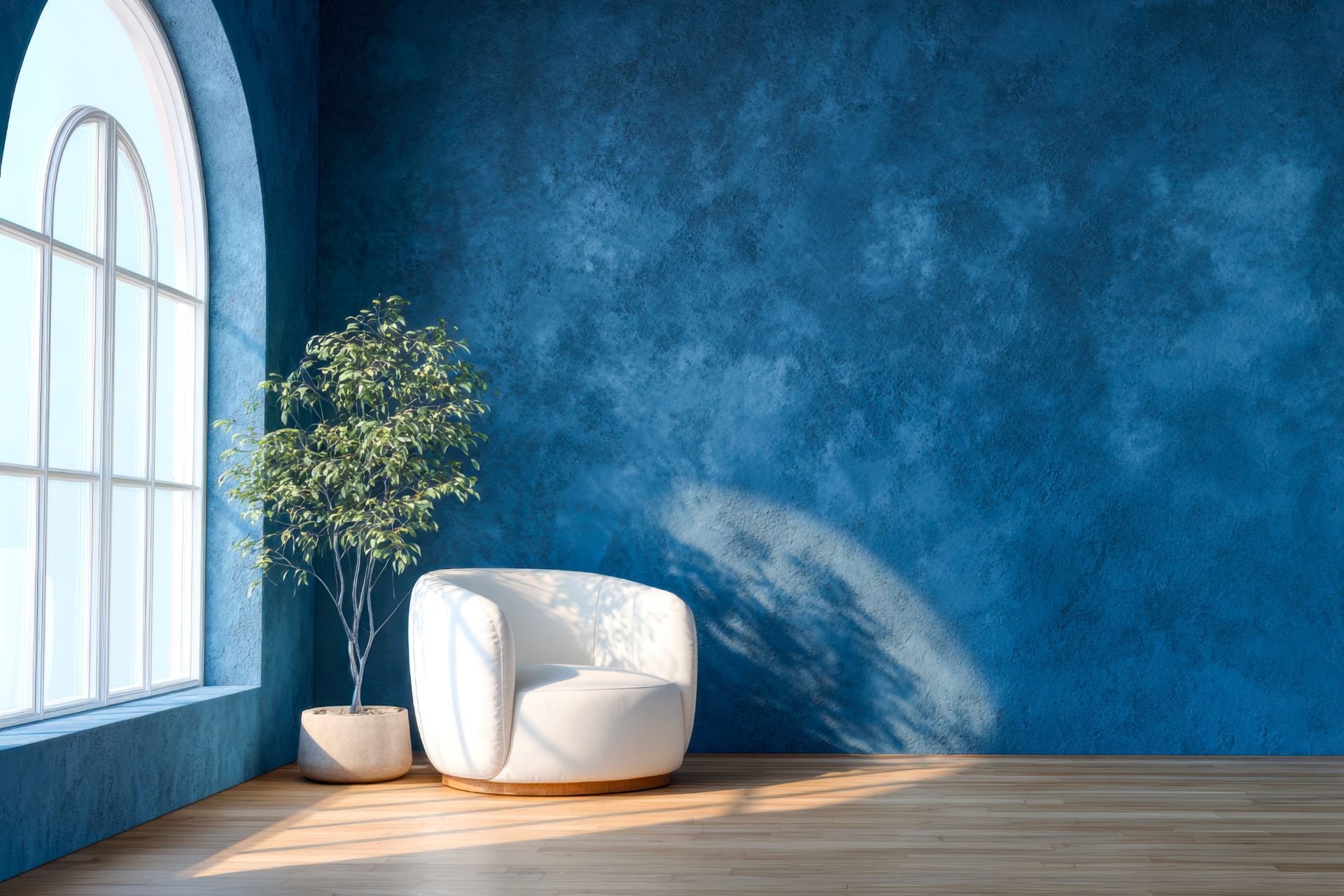
Natural light should guide your layout. Designers recommend keeping windows as clear as possible. Avoid blocking them with large furniture.
In living areas, place seating where it can benefit from light without causing glare. In bedrooms, position the bed to allow light in the morning while maintaining privacy. In all spaces, think about how light moves during the day.
Plan around fixed elements
Built-in features such as cupboards, wardrobes, and fireplaces set the framework of a room. These cannot be moved, so the layout must respond to them.
Designers suggest identifying the dominant feature first. This could be a fireplace in a living room or a wardrobe wall in a bedroom. Arrange furniture to support this element rather than compete with it.
Create clear pathways
Flow is one of the most important aspects of layout. People need to move through a room without obstruction.
Interior designers often allow at least 800 to 1000 millimetres for main walkways. In tighter spaces, this can be reduced slightly, but movement should always feel natural. Avoid placing furniture where it interrupts doors or key routes.
Living room
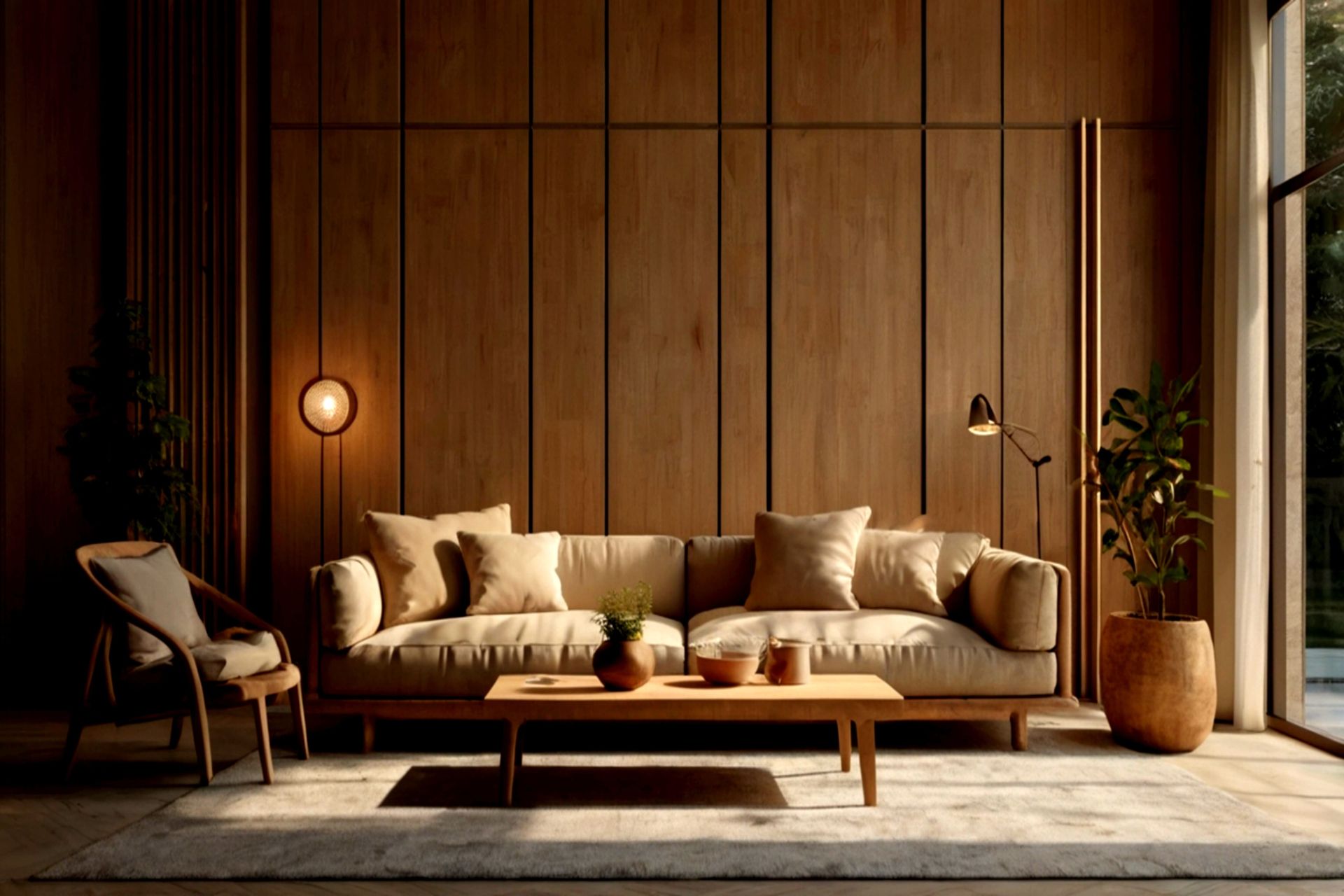
In living rooms, seating should encourage connection. Sofas and chairs are best arranged to face each other rather than the walls.
A common mistake is placing all furniture around the television. Designers recommend creating a conversation zone first. The television can then sit within that layout rather than dominate it.
Rugs can help define the space. At least the front legs of seating should sit on the rug to anchor the arrangement.
Kitchen
Kitchen layout is driven by function. The classic work triangle between the sink, cooktop, and fridge remains a useful guide.
Designers also focus on clear bench space and easy access. Islands should allow enough room to move around them comfortably. Storage should be placed where it is used. For example, keep utensils near the cooktop and dishes near the dishwasher.
Bedrooms
The bed is the focal point of the bedroom. It should be positioned where it feels grounded. This is often against a solid wall, not directly in line with the door.
Allow space on both sides of the bed where possible. This creates balance and ease of movement. Avoid overcrowding the room with furniture. Designers favour fewer, well-chosen pieces to maintain a calm atmosphere.
Dining
Dining tables should suit the size of the room. There must be enough space to pull out chairs comfortably. Designers recommend at least 900 millimetres between the table edge and walls or other furniture.
Lighting also plays a role. A pendant centred above the table helps define the dining zone, especially in open-plan spaces.
Small spaces
In compact rooms, every piece must work harder. Multi-functional furniture is key. Storage should be built in where possible.
Designers also use mirrors and light colours to create a sense of space. Keeping sightlines open makes a room feel larger than it is.
The final layer
A successful layout feels effortless. It allows the room to function without friction. Designers often test layouts by walking through the space and imagining daily routines.
The goal is not perfection. It is comfort and ease. When a room is laid out well, it supports the way you live without drawing attention to itself.