Should you get solar panels?

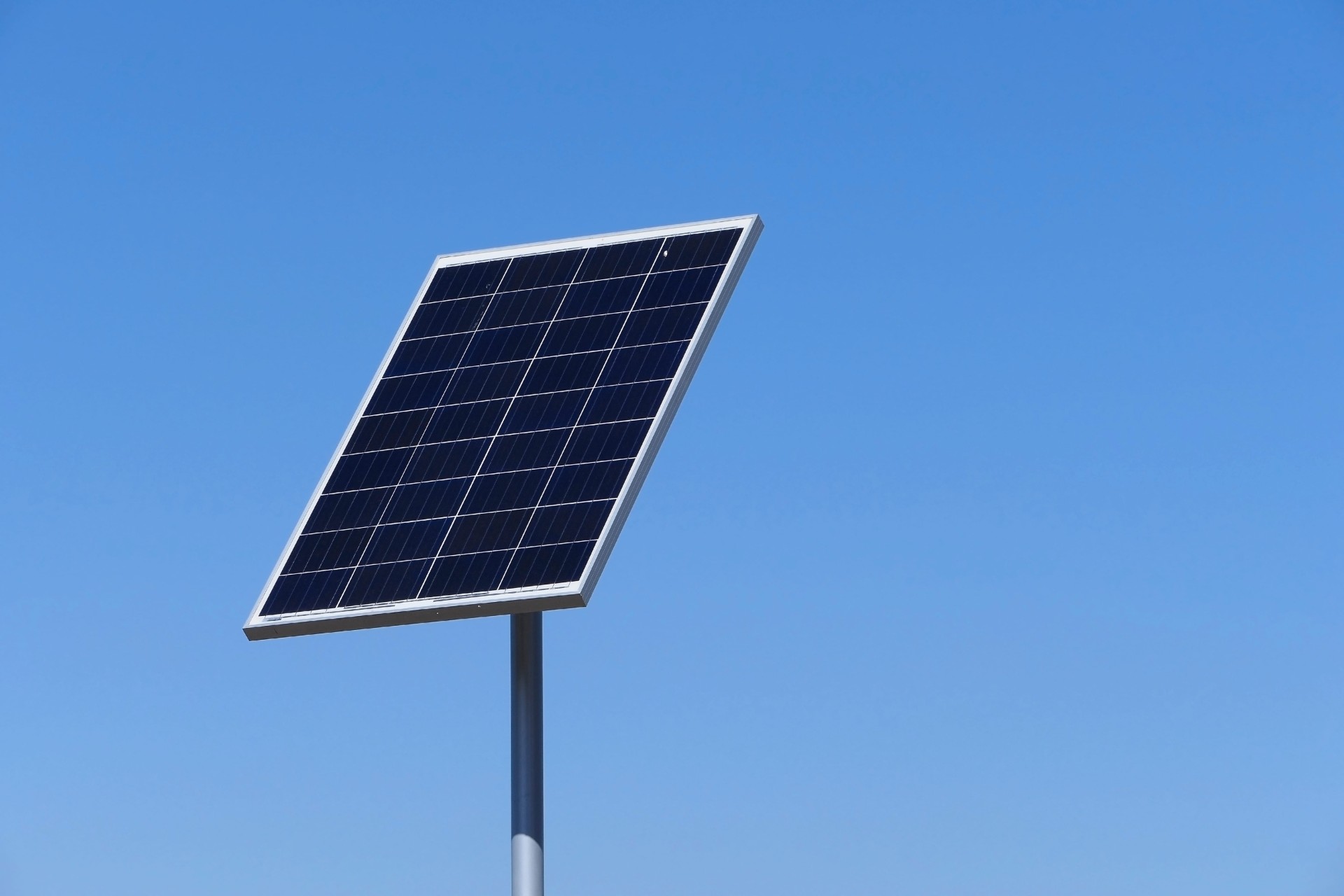
Solar panels are no longer just a niche upgrade for eco-conscious homeowners. With electricity prices continuing to rise across New Zealand, more households are asking whether rooftop solar actually delivers worthwhile savings or whether the upfront cost outweighs the benefits. The short answer is: for many homes, solar now makes financial sense, but not for every property.
One of the biggest advantages is lower power bills. According to the Consumer NZ guide, a typical New Zealand household could shave around $1000 a year off electricity costs with a properly sized system. Solar also gives households more control over future power price increases, especially if they use most of their electricity during the day.
Environmentally, solar is an easy win. Panels generate renewable electricity without emissions, helping reduce reliance on fossil fuels. They are also relatively low-maintenance, with many systems lasting 25 years or more.
There can also be practical lifestyle benefits. Some homeowners report cooler rooms in summer because the panels shade the roof surface. And if paired with battery storage, solar can provide backup power during outages and improve energy independence.
But solar is far from perfect. The biggest downside remains the upfront cost. Even though prices have fallen significantly over the past decade, installation can still cost tens of thousands of dollars depending on system size and whether batteries are included. Payback periods are commonly estimated at six to ten years in New Zealand, meaning solar works best for people planning to stay in their home long-term.
Your roof also matters more than many people realise. North-facing roofs with little shading deliver the strongest performance. Trees, neighbouring buildings, or older roofs needing replacement can all reduce the value of installing panels.
There is also the issue of timing. Solar produces the most electricity during the middle of the day, when many households are empty. If you are out at work all day and not using that power directly, the financial return becomes weaker unless you have a battery or an electric vehicle charging at home.
For new builds or major renovations, integrated solar roofing and solar tiles are becoming more attractive aesthetically, but they remain more expensive and less common in New Zealand.
Ultimately, solar panels are usually worth considering if you have a sunny roof, high power use, and plan to stay in your home for years. But if your roof is shaded, ageing, or your energy use is low, the returns may not justify the investment just yet.
Solar panel boom reshapes renovations
Solar power is no longer just a feature of new builds or off-grid homes. It is rapidly becoming a core consideration in the renovation market, with homeowners increasingly treating rooftop solar as part of a wider upgrade rather than a standalone eco-add-on.
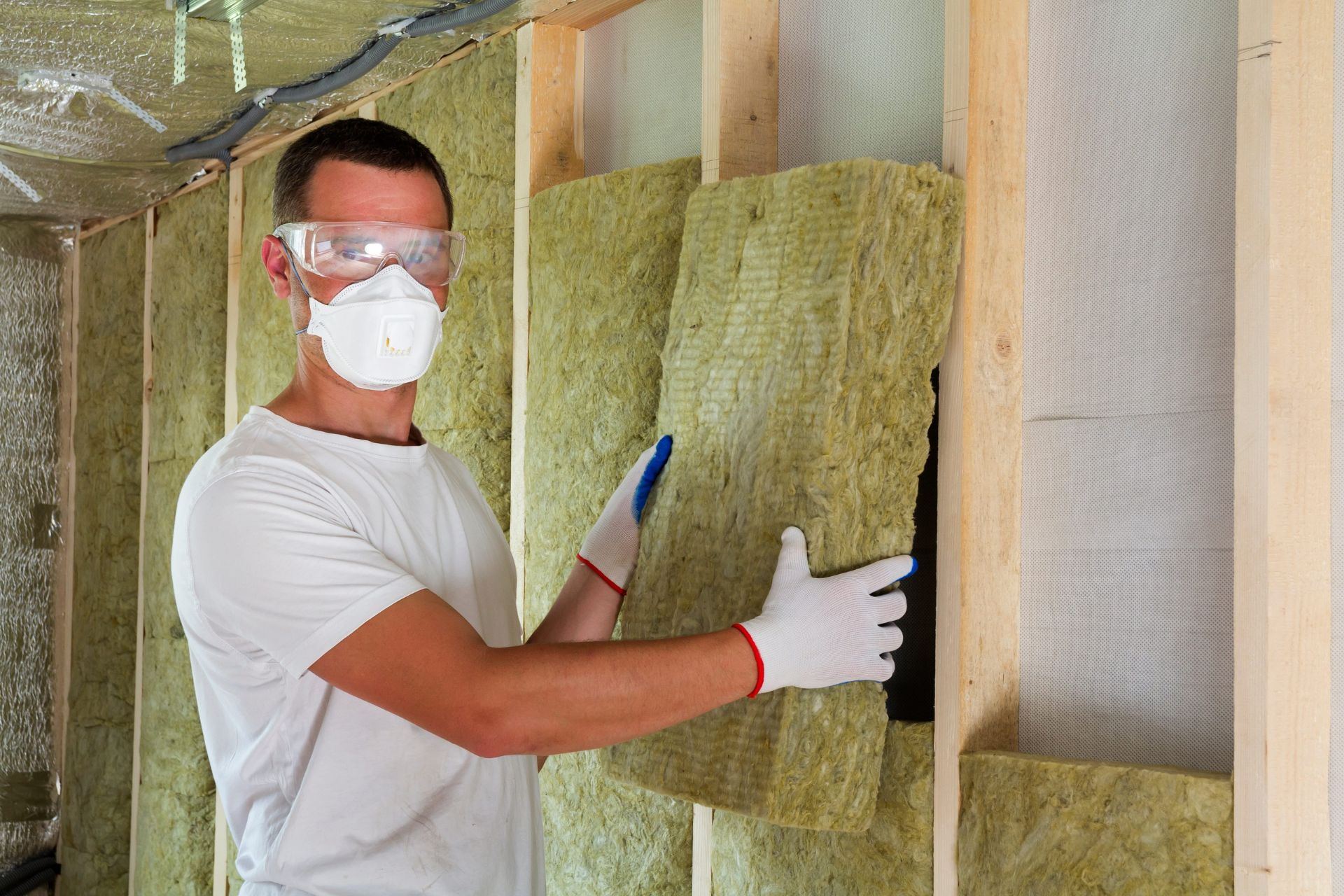
Across New Zealand, renovation projects are now more likely to include solar panels alongside insulation upgrades, double glazing, heat pumps and electrification of appliances. The shift is being driven by a mix of rising electricity costs, improved solar technology, and a growing awareness that retrofitting a home for efficiency delivers long-term value.
What’s changed most is timing. A few years ago, solar was often considered “too expensive” unless building new. Today, installers say retrofit demand is one of the fastest-growing segments. Homeowners are choosing to install panels while roofs are already being replaced or repaired, which significantly reduces overall system cost and disruption.
Another major driver is the rise of electrified living. As households shift away from gas cooking and gas hot water, electricity demand is increasing. Solar helps offset that load, especially when paired with modern appliances and smart energy management systems. Renovators are now thinking less about “saving power” and more about “replacing imported energy with self-generated energy”.
Battery storage is also changing the renovation equation. While still a premium addition, home batteries allow households to store excess daytime solar for evening use. This is particularly appealing in cities where many people are away during peak generation hours. It also adds resilience during outages, which has become a stronger selling point following recent extreme weather events.
Builders and renovation specialists are adapting quickly. Many now integrate solar readiness into design planning, ensuring roofs are oriented correctly, switchboards are upgraded, and cabling is future-proofed even if panels are installed later. This “solar-ready renovation” approach is becoming a standard recommendation rather than an optional extra.
There are still barriers. Upfront cost remains the biggest hesitation point, and not all roofs are suitable due to shading or orientation. Consent processes and structural considerations can also add complexity in older homes. However, industry guidance increasingly highlights that solar performs best when treated as part of a whole-home efficiency upgrade rather than a standalone purchase.
Government agencies such as the Energy Efficiency and Conservation Authority continue to promote solar as part of broader decarbonisation goals, while consumer awareness has grown through clearer payback data and real-world case studies.
The result is a noticeable shift: solar is no longer an “add-on” at the end of a renovation. It is increasingly shaping the renovation itself.