Small changes for a warmer home

When it comes to creating a comfortable home, you don’t always need a major renovation to notice a real improvement. Small upgrades can make a surprisingly big difference to how warm your home feels in winter, how cool it stays in summer, and how much you spend on energy. Whether you are building new, renovating, or simply looking for DIY ways to improve your current house, focusing on insulation, glazing, heating, ventilation, curtains, and draught-proofing can dramatically improve comfort.
Start with insulation
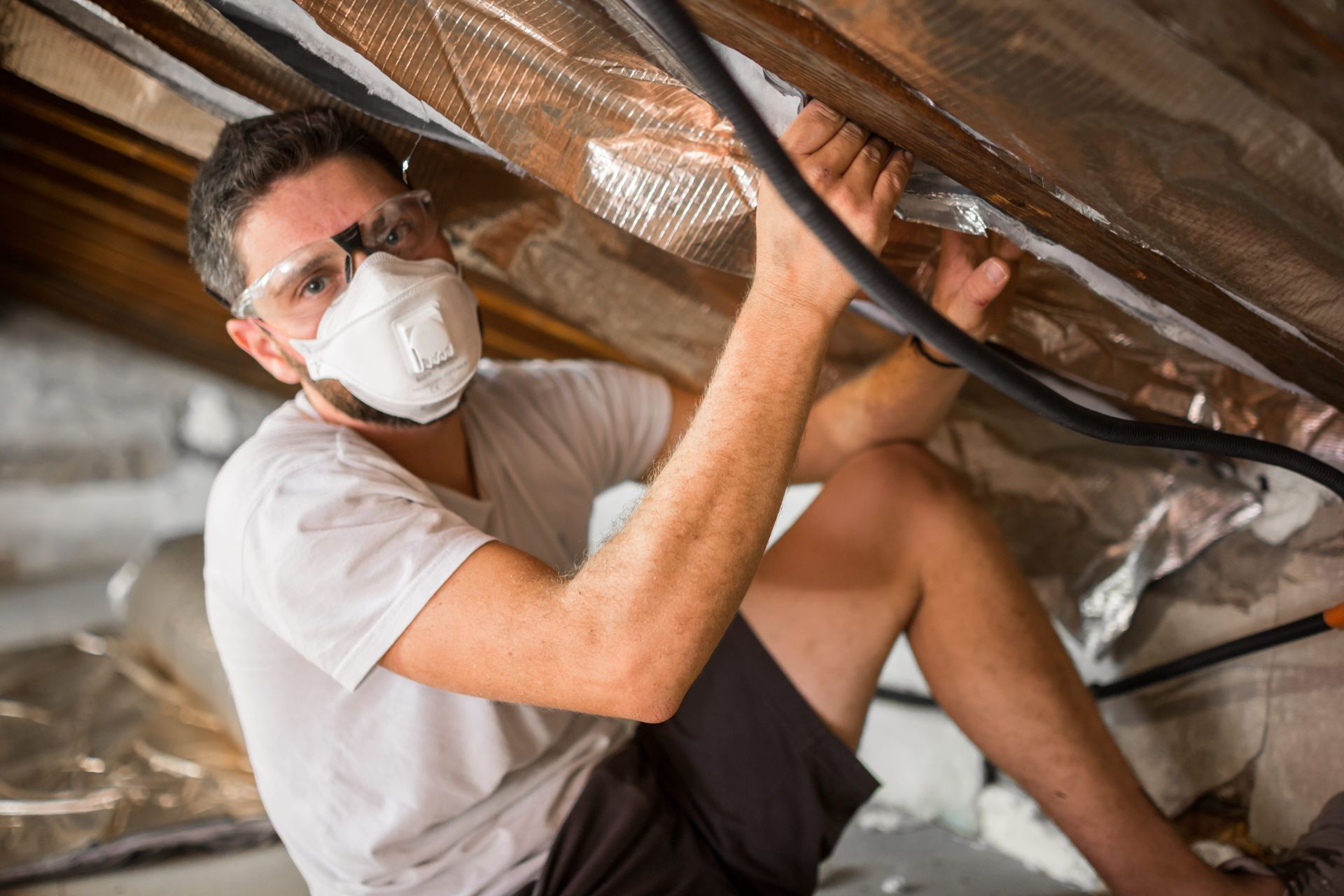
Good insulation is one of the most effective ways to keep a home warm. Heat naturally escapes through the ceiling, walls, and floor, so making sure these areas are properly insulated will help maintain a steady indoor temperature.
If you are building, investing in high-quality insulation from the start will make the home easier to heat and cheaper to run. If you are updating an older house, ceiling and underfloor insulation are often the easiest and most affordable upgrades. Many homeowners notice an immediate difference once insulation is installed, with rooms feeling warmer and less damp.

Upgrade to double glazing
Windows are another major source of heat loss. Single glazing allows warmth to escape quickly and lets cold air in, which makes rooms harder to heat. Double glazing helps keep warmth inside by trapping air between two panes of glass, creating an insulating barrier.
For new builds, double glazing is now standard in most homes. For renovations, replacing old windows can be a big investment, but even adding secondary glazing or upgrading seals around existing frames can improve comfort. Double glazing also helps reduce condensation and outside noise, making the home feel quieter and more comfortable overall.
Choose heating that suits your home
Heating systems work best when they match the size and layout of the house. A small heater in a large, open space will struggle, while an oversized system can waste energy. Heat pumps are a popular choice because they are efficient, easy to use, and can provide both heating and cooling.
Wood burners are another option, especially in colder areas, as they produce strong, steady heat. Panel heaters and underfloor heating can also work well in bedrooms and bathrooms where consistent warmth is important.
No matter which system you choose, the key is to heat the home evenly rather than relying on one source in a single room. A well-heated house feels more comfortable and is healthier to live in.

Don’t forget ventilation
Keeping warm does not mean sealing the house completely. Good ventilation is essential to prevent dampness, mould, and stale air. Modern homes are built to be more airtight, so ventilation systems help keep fresh air circulating without losing too much heat.
Simple solutions include extractor fans in kitchens and bathrooms, opening windows regularly, or installing a ventilation system that moves air through the house. A dry home feels warmer than a damp one, even at the same temperature.
Use curtains and window coverings wisely
Curtains can make a noticeable difference to how warm a room feels. Thick, lined curtains help keep heat inside during the evening and block cold air from windows. Floor-length curtains that fit closely around the frame work best.
Blinds can also help, especially when combined with curtains. Closing window coverings as soon as the sun goes down keeps warmth inside and reduces the need for extra heating. This is one of the simplest and most affordable ways to improve comfort.

Stop draughts before they start
Small gaps around doors, windows, and floors can let in a surprising amount of cold air. Draught-proofing is an easy DIY job that can have a big impact. Adhesive seals, door snakes, and foam strips are inexpensive and quick to install.
Check areas such as door frames, window edges, letterboxes, and unused chimneys. Blocking these gaps helps keep warm air inside and makes heating systems more effective.
Comfort comes from the details
Creating a warm, comfortable home does not always require a full renovation. Often, it is the smaller improvements that make the biggest difference. Better insulation, efficient heating, good ventilation, well-fitted curtains, and simple draught-proofing can transform the feel of a house.
By focusing on these practical changes, you can enjoy a home that stays warmer in winter, cooler in summer, and more comfortable all year round.