Parsonson Architect’s Design Ethos

Gerald Parsonson, Director at Parsonson Architects, has a three-pronged design ethos: collaboration, creativity, and sustainability. Build and Renovate asks the leading architect how everyday New Zealanders can find their style and be informed by our natural environment.
What makes New Zealand architecture stand out?
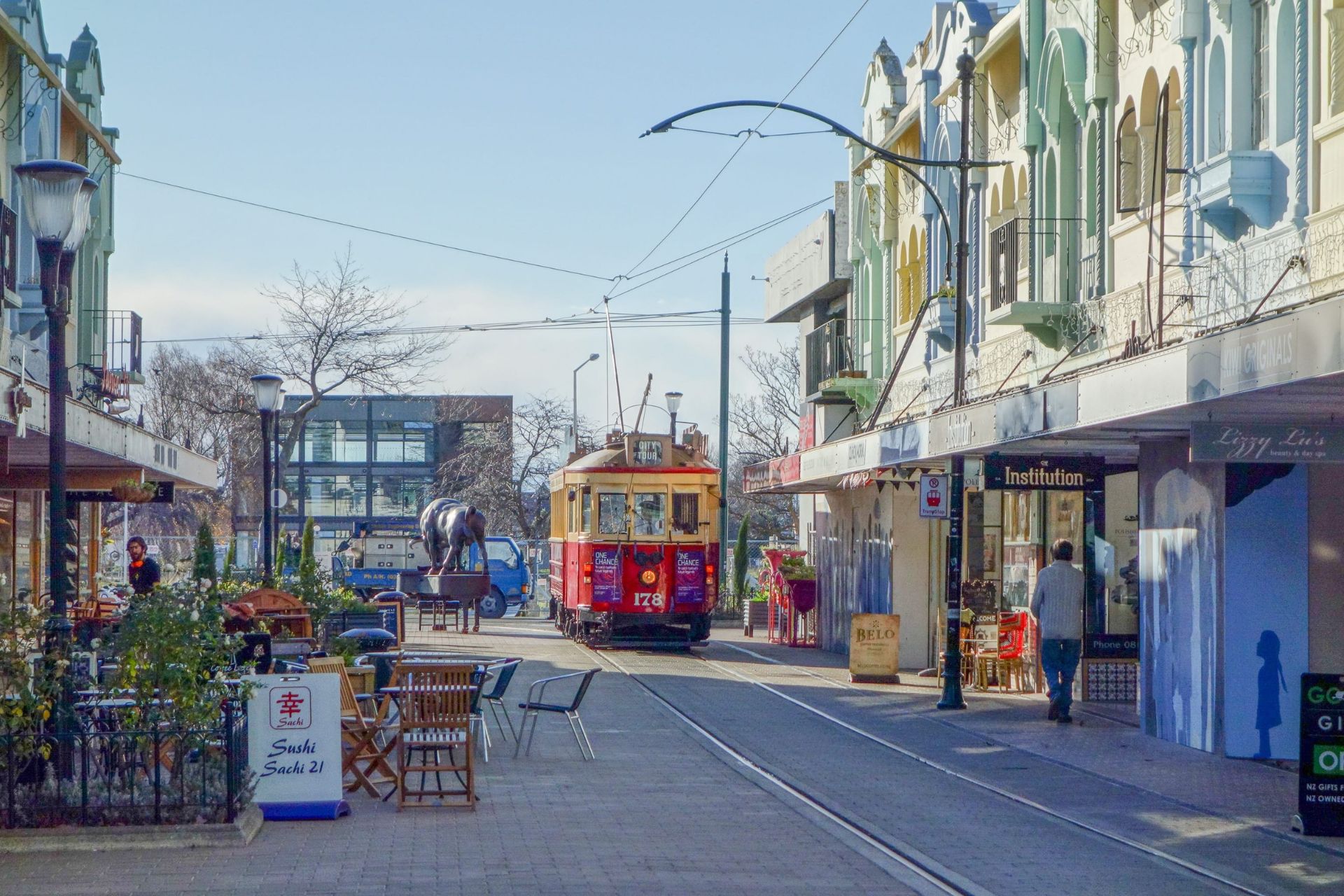
New Zealand is a unique and diverse island nation, shaped by its isolation and the character of its people, cultures, and landscapes. From mountains and bush to coastlines and cities—often influenced by wind, sun, rain, and earthquakes—these elements have strongly influenced the way architecture has developed here, as have the commonly used local materials.
Our architecture reflects a wide variety of responses, shaped by budget, climate, and cultural context. In the milder northern regions, where there’s more rain but less wind and seismic activity, buildings often feature large windows, sliding doors, generous eaves, and a general sense of openness. Many skilled New Zealand architects have created beautiful homes in this manner, using layers, natural materials, shadows and light to craft inviting spaces.
In Wellington, where the terrain is steep and the risk of earthquakes and strong winds is high, architecture must adapt to these challenges. Here, some remarkable buildings have emerged, designed with clever structural solutions, thoughtful space planning, and sheltered outdoor areas that make the most of difficult sites.
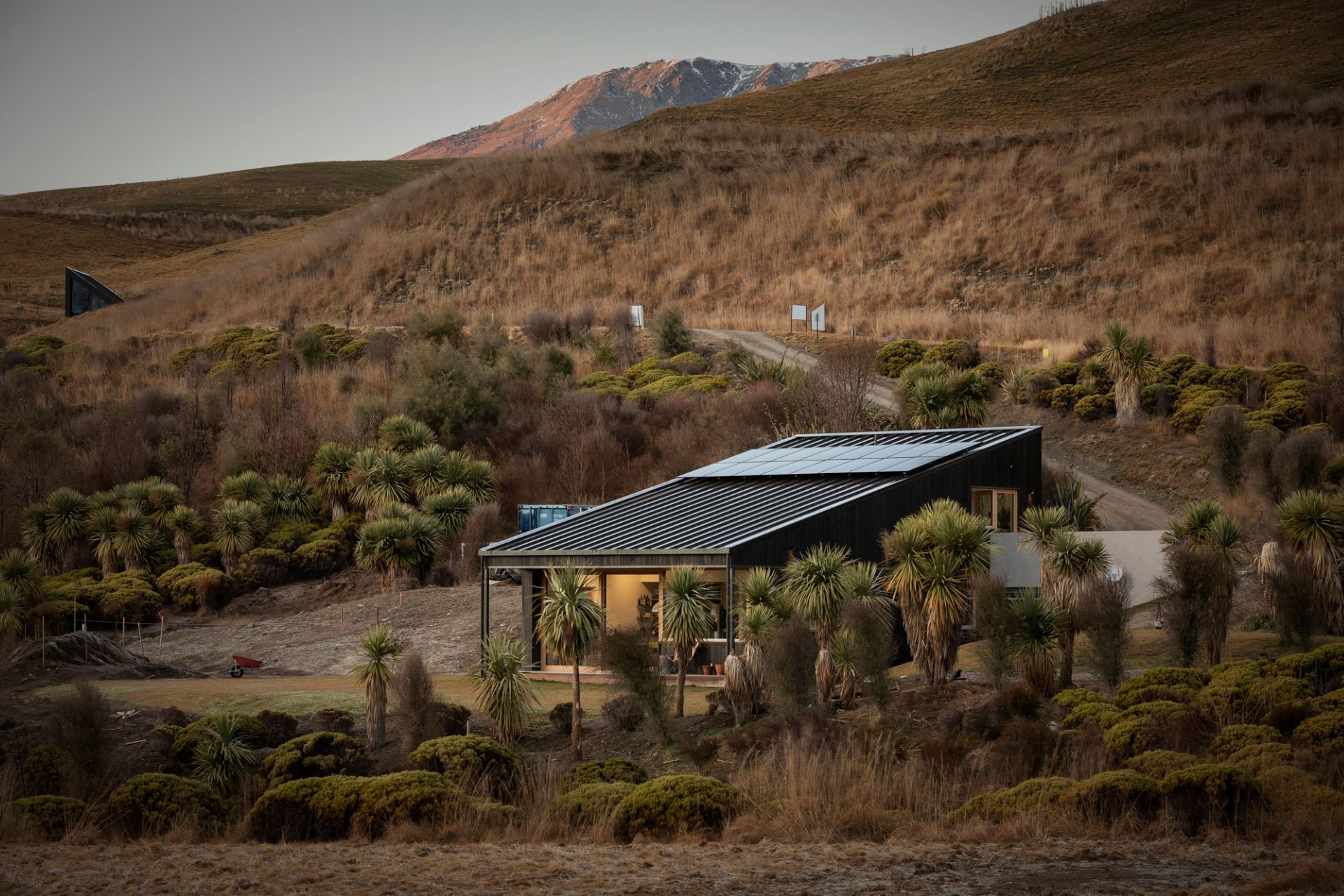
Further south, in regions like Otago, the climate brings hot summers and cold winters. Architecture here must respond to both extremes. Often, homes take on more traditional forms and are clad in materials like stone or metal. Some standout projects in these areas are deeply connected to the landscape, almost blending into it.
New Zealand architects also have a strong tradition of designing holiday homes—places that embrace a laid-back lifestyle with a focus on simplicity, natural materials, and a sense of being on vacation. These buildings reflect the essence of Kiwi life—bare feet, open doors, and a deep connection to place.

What makes a great architect great?
They say architects don’t truly hit their stride until their 40s or 50s. Architecture is a complex profession that demands a wide range of skills. A great architect must be an attentive listener who can interpret a client’s needs, yet also have the vision to go beyond them. They must understand the landscape, grasp the technical details of construction, and skilfully manage costs—all while delivering creative, beautiful designs that are sustainable, sensitive to their surroundings, and thoughtfully planned to improve the lives of those who use them.
What central values do you hold?
We create sustainable buildings with low carbon footprints and high energy efficiency. We are committed to ongoing research in planning, design, and technology, and we aim to thoughtfully combine form and materials to achieve beauty, a sense of craftsmanship, and purpose in every project.
How would you describe your architectural style?
We work diligently to understand our clients’ needs, their project vision, and the unique qualities of the landscape or location, in order to create a meaningful and authentic ‘sense of place’.
How does one develop a sense of architectural style?
Passion, practice and persistence. I think the first step for any person trying to find their direction is to study the work of great architects, pull it apart, look at all the bits and see how it works, then keep at it!

How can everyday Kiwis bring design drama and interest into their homes?
Windows are the eyes of a house, open up to the sun. Some nice doors with a beautifully designed pergola or veranda from a living area leading out to a view or sunny backyard can add real beauty, joy and value to a simple or basic house.
What do you see as the future of New Zealand architecture?
New Zealand has a tradition of building in timber, and I think as we transition to more sustainable types of architecture, we will see some wonderful timber structures arise.
What advice would you give budding architects?
Stay consistently engaged with the work of great architects, and always seek opportunities to improve your own practice. Equally important is effective budget management. We’ve developed a three-stage budgeting approach that has proven incredibly valuable for us, our clients, and the builders we collaborate with.