How neuroaesthetics can shape a feel-good home

Neuroaesthetics is a field pioneered by neuroscientist professor Semir Zeki in the early 2000s. It explores how the brain perceives beauty and how aesthetic experiences affect our emotions, cognition and wellbeing. Using brain imaging and psychological research, scientists have found that our surroundings actively influence stress levels, mood, focus and even physiological responses.
A neuroaesthetic approach to interior design, along with aesthetic ideas also considers how a space makes us feel and how it helps our brains function.
Here’s how to use these design principles at home.
1. Design around emotion first
Neuroscience shows that the brain processes emotional responses milliseconds before rational thought. Zeki’s studies using fMRI scans found that beautiful environments activate the brain’s reward circuitry, particularly the medial orbitofrontal cortex, the same region associated with pleasure and positive reinforcement.
Before choosing colours or furniture, get clear about the purpose of the room and if it is a place for calm, connection or concentration.
A bedroom designed for psychological safety will look and feel very different from a workspace designed for alertness. When a space aligns with its emotional purpose, the brain relaxes.
2. Prioritise natural light
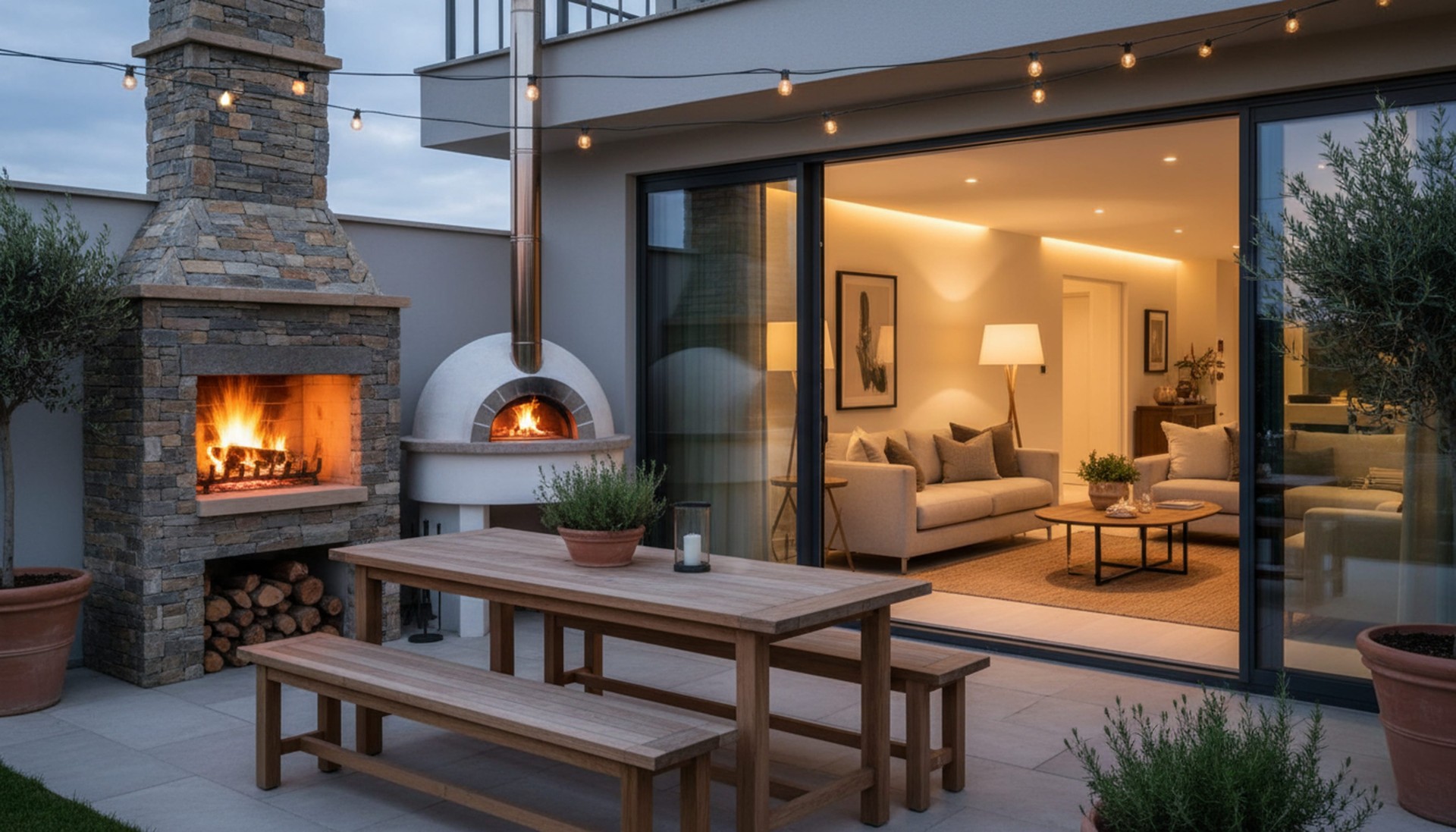
Exposure to natural light regulates circadian rhythms, which influence sleep, mood, and cognitive performance. Research published in the Building and Environment journal (2014) found that office workers exposed to more daylight slept longer and reported better quality sleep than those in artificially lit environments. Light also affects serotonin levels, which influence mood and focus.
Keep windows clear where possible. Use mirrors to distribute daylight. Layer warm lighting in the evening to signal winding down. Cool, bright light stimulates alertness. Warm, softer light promotes calm. Aligning lighting with the body’s natural rhythms supports both productivity and rest.

3. Bring nature indoors
One of the most well-documented findings in environmental psychology is our positive response to nature. In 1984, researcher Roger Ulrich found that hospital patients with views of trees recovered faster and required less pain medication than those facing a brick wall.
More recently, studies published in the Frontiers in Psychology journal (2019) show that natural materials and greenery reduce cortisol levels and lower heart rate. This is known as biophilic design, incorporating elements of nature to improve wellbeing.
Indoor plants, Timber and stone finishes, natural fibres like wool and linen and landscape artwork all bring a sense of the outdoors in. Even images of natural scenes have been shown to activate the brain’s parasympathetic (calming) response.
4. Use colour with awareness
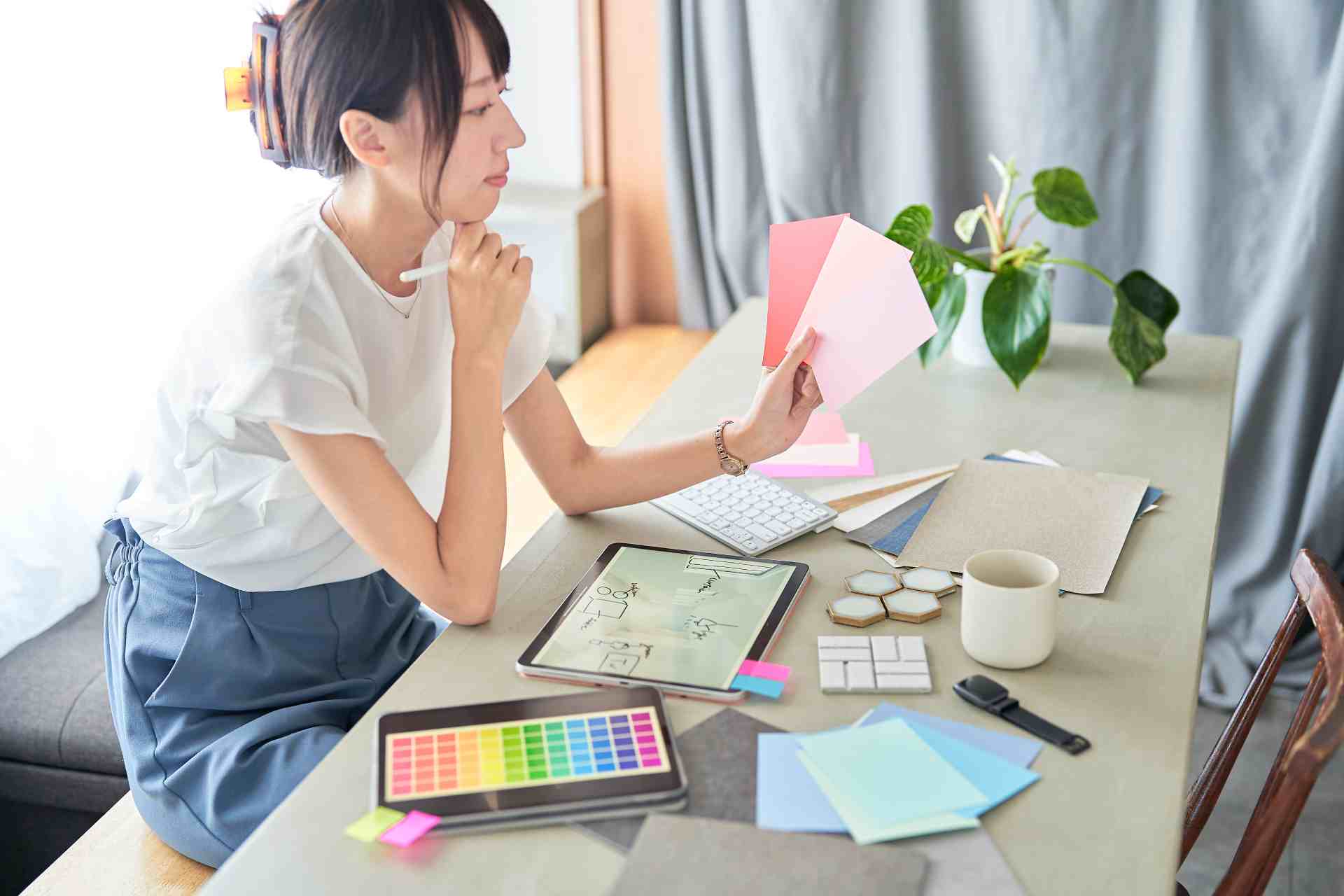
Cool greens and blues are often associated with calm and restoration because they mirror natural landscapes. Warmer tones can feel grounding and comforting but highly saturated colours may cause overwhelm.
Balance is key, use neutrals as anchors and introduce colour intentionally. Consider how different rooms require different energy levels. Most importantly, personal association matters. Neuroaesthetics acknowledges that memory and lived experience shape how we respond to colour.
5. Reduce visual clutter
The brain is constantly scanning for patterns and threats. Research from Princeton University Neuroscience Institute (2011) found that clutter competes for attention, reducing our ability to focus and increasing cognitive load. This doesn’t mean every home must be minimalist. It means spaces benefit from visual organisation.
To reduce cognitive strain and stress, keep surfaces intentionally styled, use concealed storage, repeat materials for cohesion and allow breathing space between pieces of furniture.
6. Layer texture for sensory comfort
Neuroaesthetic research emphasises multi-sensory experience. The somatosensory cortex, the area responsible for touch, plays a role in emotional regulation. Soft textures signal safety, while hard, reflective surfaces can stimulate alertness.
To create a sense of calm use soothing textural materials such as wool rugs and soft upholstery. Choose curtains rather than blinds and layer throws and cushions.

7. Create prospect and refuge
Environmental psychologist Jay Appleton’s Prospect-Refuge Theory (1975) suggests humans feel most comfortable in spaces where they can see clearly (prospect) while also feeling protected (refuge).
Modern research supports this. A 2015 study in the Current Biology journal found that spaces offering both openness and enclosure are perceived as more beautiful and calming.
At home, this means creating defined zones. For example, a reading nook in an open-plan space, or a window seat overlooking a view. We are wired to feel safest when we can observe without feeling exposed.
8. Incorporate meaningful objects
Neuroaesthetics studies show that personal relevance increases emotional activation in the brain. Objects tied to memory stimulate the hippocampus and emotional centres more than neutral décor.
Instead of filling shelves with trend-based accessories, add some treasured personal items such as travel mementos, family heirlooms, handmade ceramics and artwork you genuinely love. This will deepen your emotional attachment to a space and is often why people bring a few small treasured items from home into their work spaces.
9. Balance novelty and familiarity
The brain seeks both predictability and stimulation. Too much uniformity feels dull, while too much novelty creates anxiety. A 2012 study in Psychological Science found that moderate complexity is perceived as most aesthetically pleasing. In interiors this can translate into spaces with a neutral colour base that have one bold feature, sculptural lighting within a restrained room or a selectively used pattern.
10. Designing for wellbeing
Neuroaesthetics confirms what many people instinctively feel that we are shaped by our environment. Beautiful spaces activate reward centres. Natural elements calm the nervous system. Order reduces mental strain. Light regulates mood. Texture creates comfort and meaningful objects foster belonging.
Decorating with the brain in mind doesn’t require expensive renovations. When your home supports how you want to feel it also supports your wellbeing.