Building a sustainable future

From Queenstown’s alpine suburbs to Dunedin’s coastal streets and the growing towns of Central Otago, innovation is reshaping how and where we build. Climate pressures, government policy and the region’s environment are driving builders, councils and designers to prioritise sustainability.
Responding to policy and climate pressures
National building policy has shifted markedly in recent years, with the New Zealand Building Code now placing greater emphasis on insulation, resilience and energy efficiency. For colder southern climates like Otago, these updates are especially significant.
The most influential change came in 2021, when MBIE introduced staged increases to the H1 Energy Efficiency requirements. For South Island climate zones, this meant higher insulation standards, improved glazing and joinery, and a stronger focus on airtightness and passive heat retention. These measures have improved the thermal performance of new homes while reducing heating demand and household carbon footprints.
Local authorities are reinforcing this direction. The Otago Regional Council and district councils increasingly align development approvals with sustainability outcomes, encouraging low-impact stormwater design, native planting and efficient water use — particularly important in areas facing water scarcity or runoff challenges.
Green building and low-carbon materials
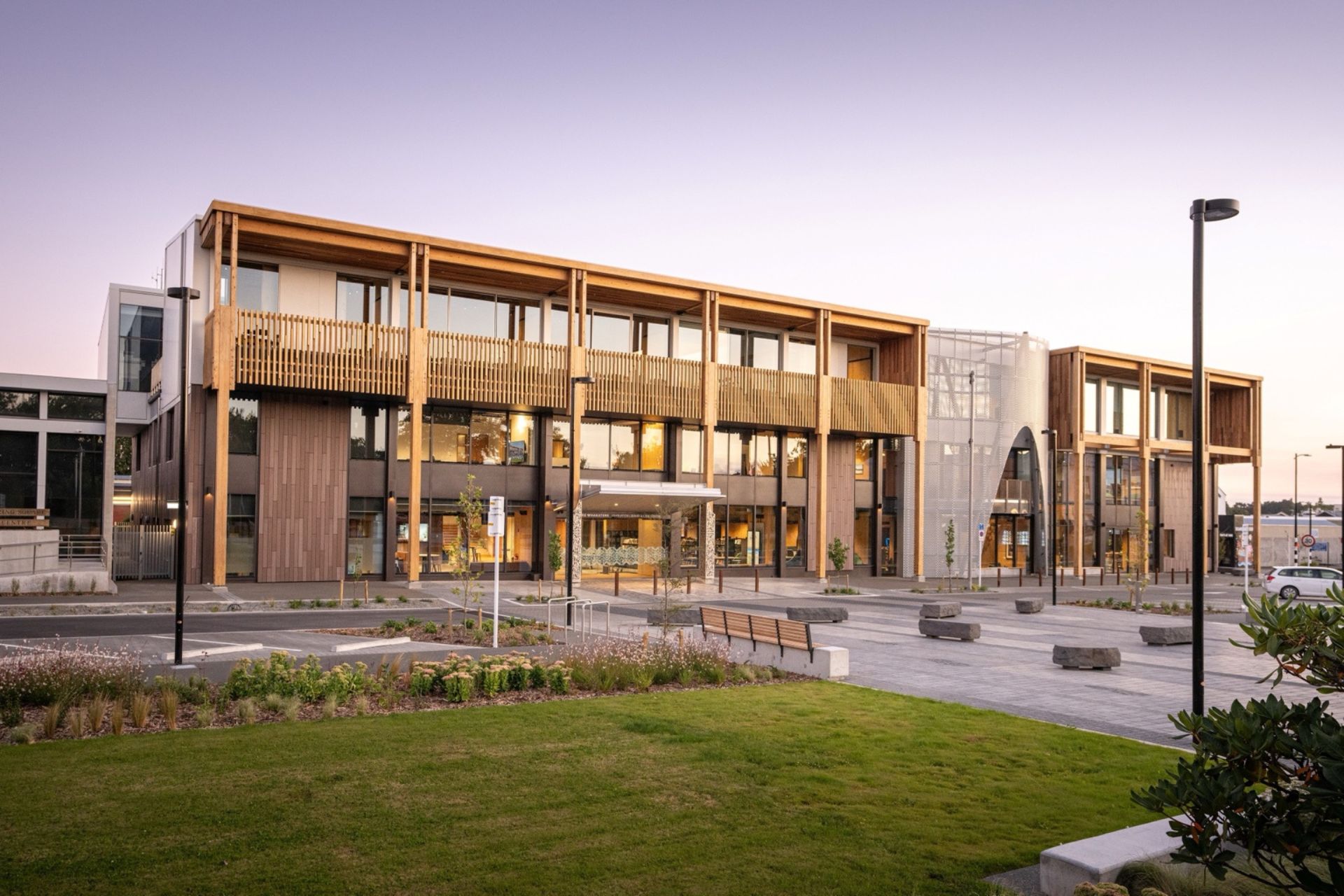
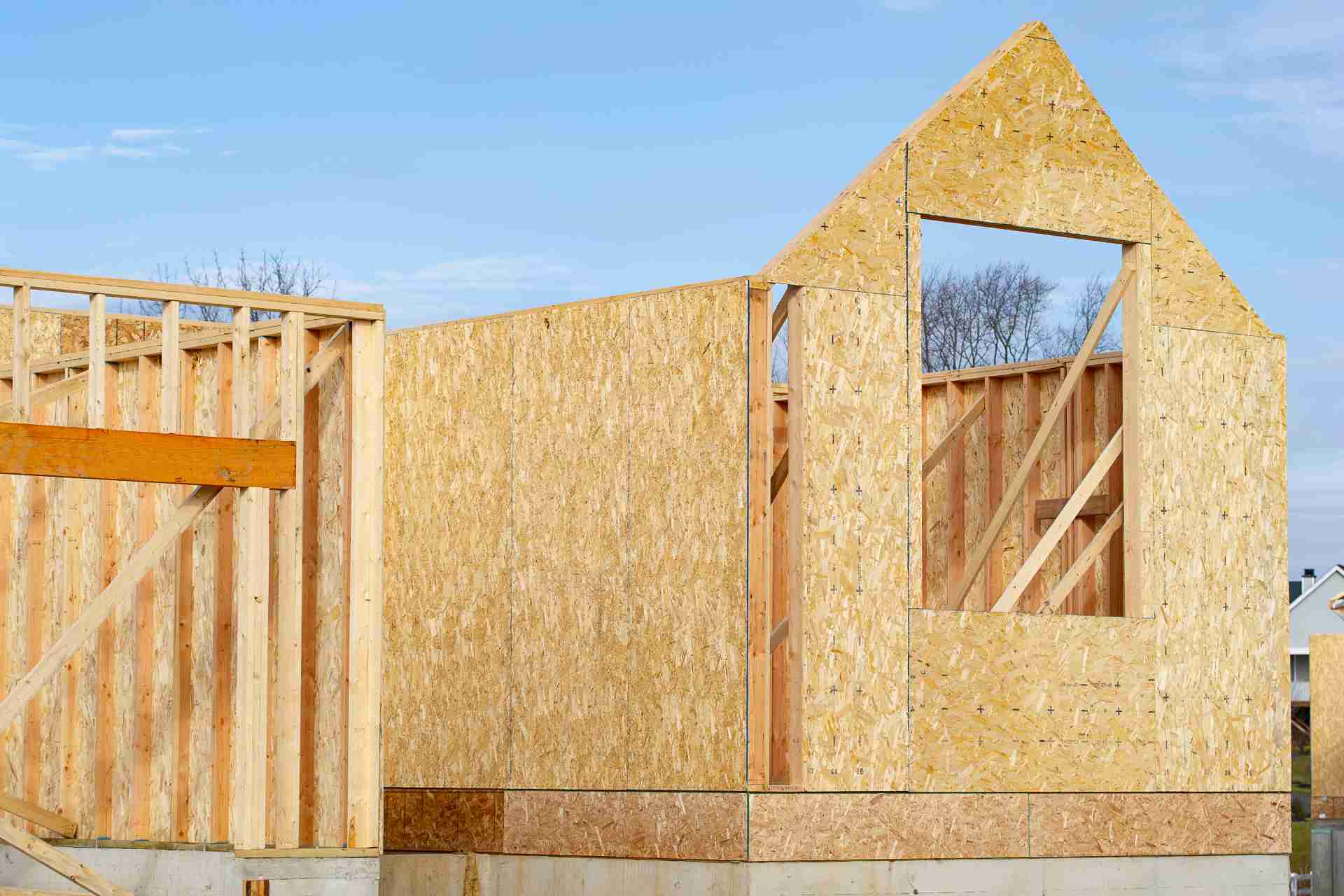
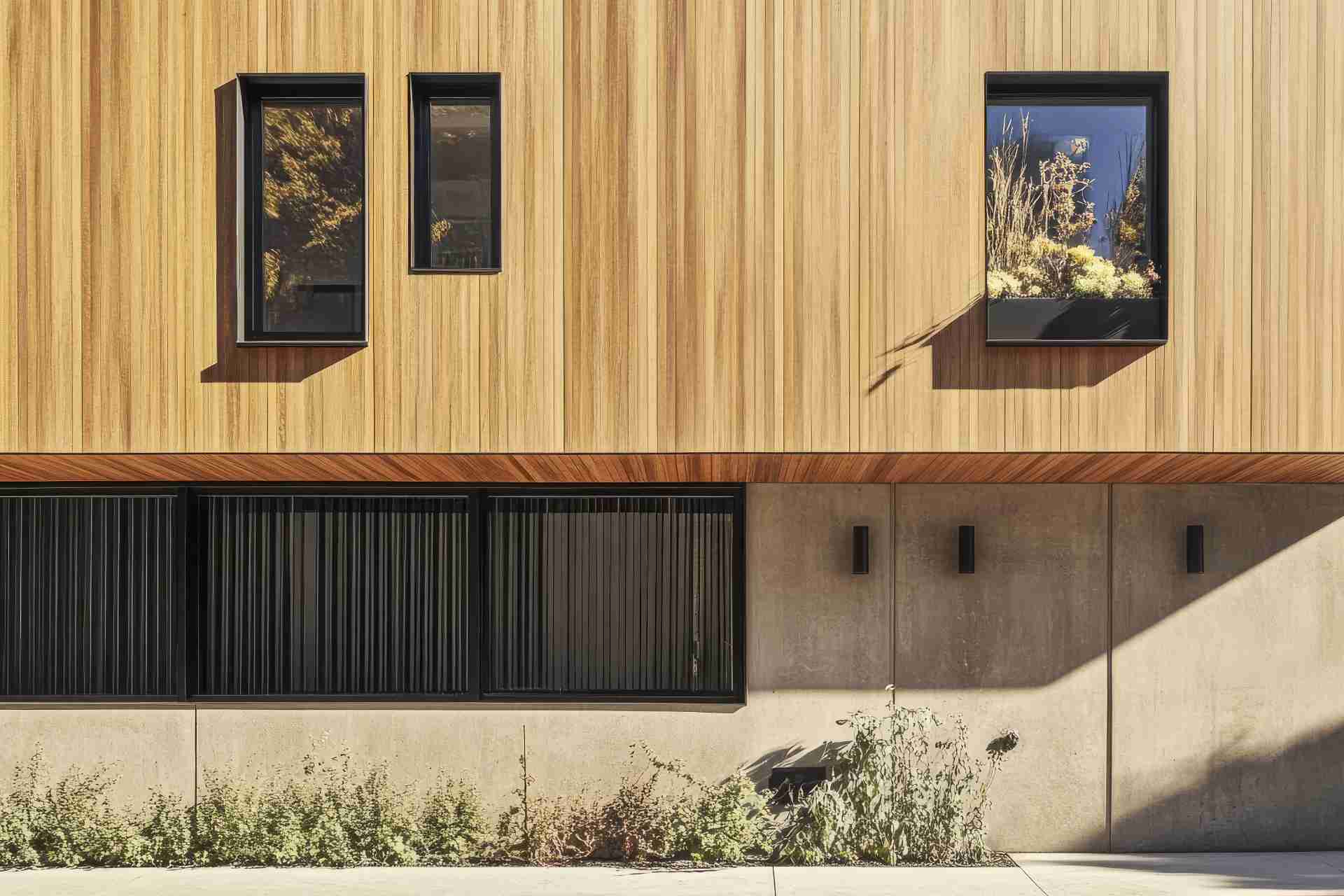
Architects, engineers and builders are experimenting with materials and methods that cut emissions and waste. Cross-laminated timber (CLT) and engineered wood products are now common in commercial and community buildings. Firms such as Breen Construction and Cook Brothers Construction favour mass timber for its carbon-sequestering ability and suitability for prefabrication. Timber’s aesthetic quality also complements the region’s landscape-driven design culture.
Concrete innovation is advancing as well, with companies trialling low-carbon cement alternatives such as geopolymer mixes and concrete incorporating recycled aggregates. With construction responsible for a substantial share of national emissions, these materials offer practical pathways to decarbonise the sector.
Builders are also improving waste minimisation through on-site recycling, off-site modular fabrication and reuse schemes. Otago Polytechnic’s School of Architecture, Building and Engineering continues to expand training on waste-efficient design and sustainable construction practice.
Passive house and net-zero living
Otago’s climate makes it an ideal testing ground for passive solar design and ultra-efficient buildings. The Passive House standard—once rare in New Zealand—is now more visible across the South Island. Several certified homes and public facilities have been completed, with more underway. These buildings rely on airtightness, continuous insulation and mechanical ventilation to maintain comfort with minimal heating.
In Queenstown and Wānaka, community hubs and high-end homes increasingly target Passive House certification. In Dunedin, University of Otago research is exploring ways to apply passive principles to older housing stock, which remains a major source of energy loss.
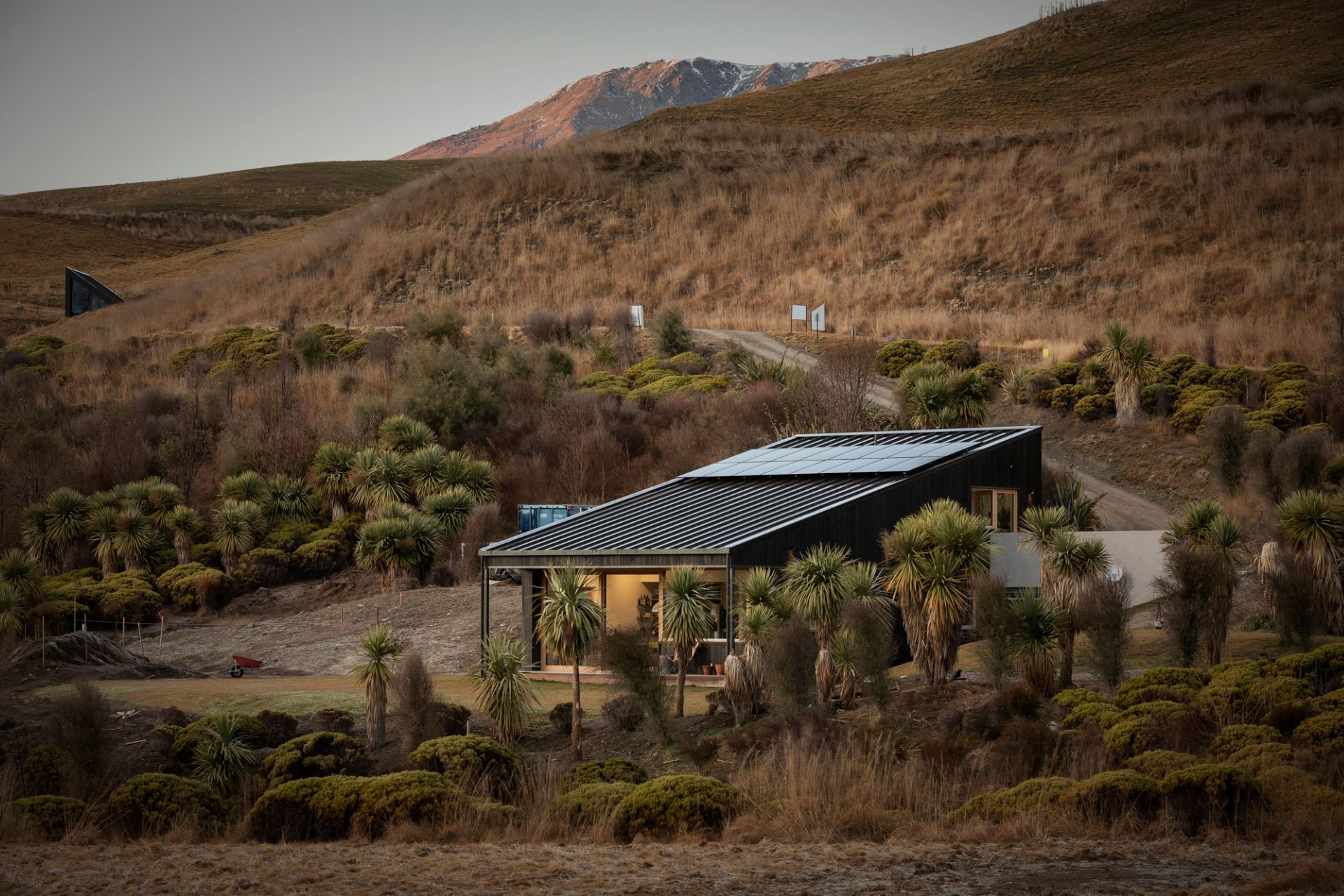
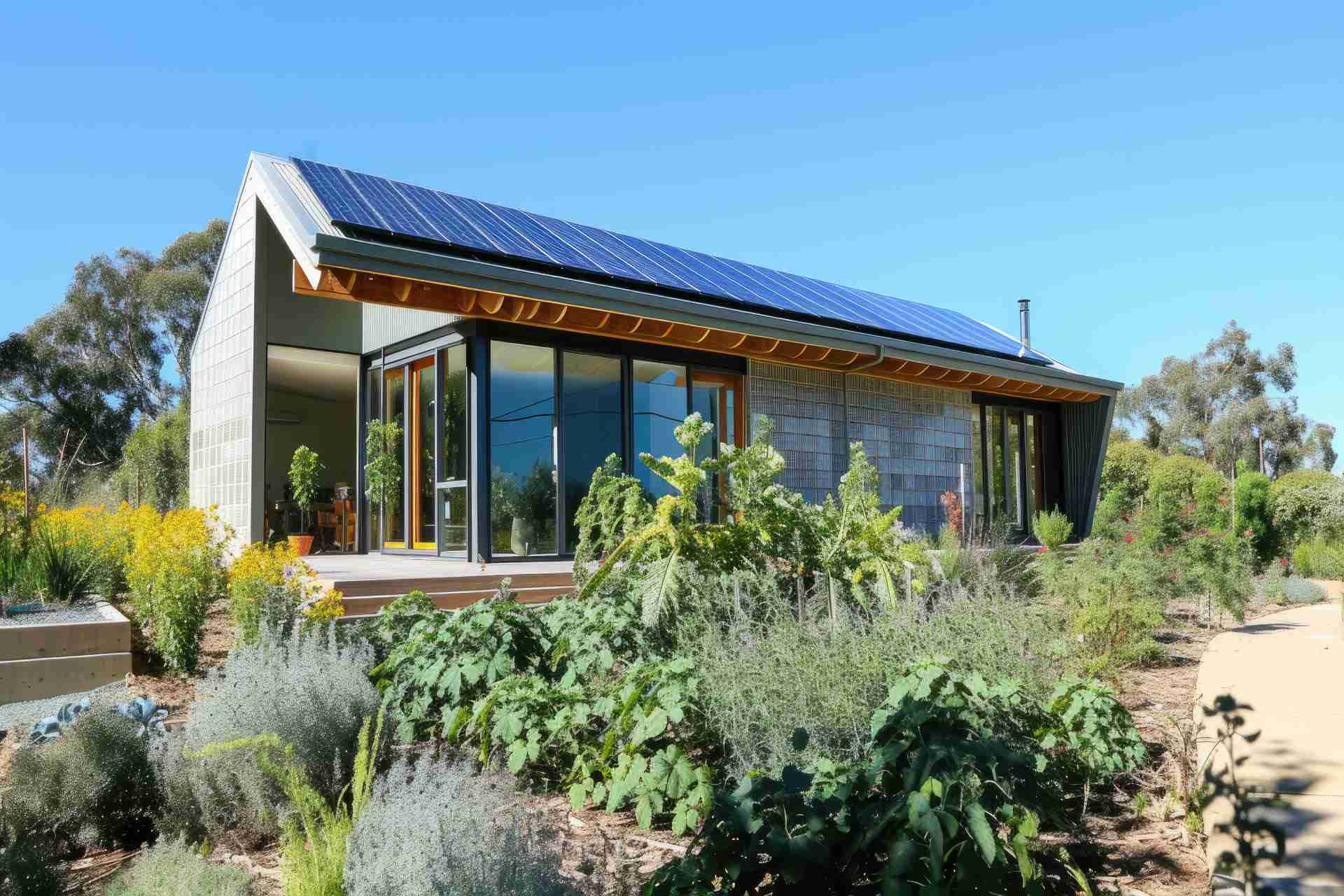
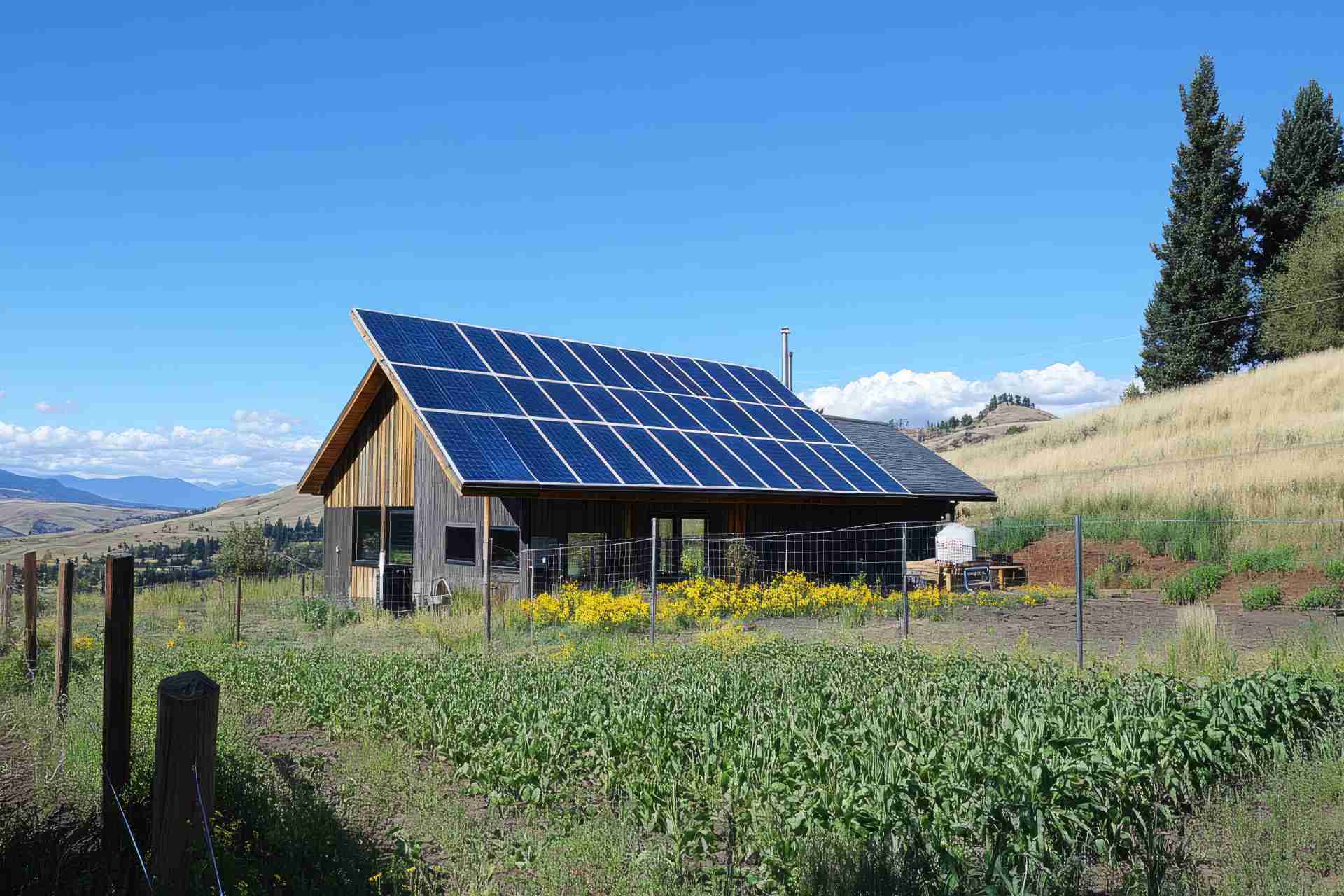
Net-zero and off-grid design is also gaining traction. Solar PV systems, battery storage, rainwater collection and heat-recovery ventilation are becoming more common, reducing operational costs and improving resilience—particularly in remote Central Otago locations.
Smart technology and data-driven design
Digital tools are transforming how buildings are planned and managed. Building Information Modelling (BIM) is now widely used to simulate performance, coordinate teams and optimise material use. Drone surveying and 3D scanning support accurate site assessment, crucial in Otago’s sloped or water-adjacent terrain.
After construction, sensors and energy-management systems help track real-time performance. Councils and the University of Otago are using these technologies to reduce energy consumption across commercial and educational buildings.
Sustainable urban growth and community design
Sustainability also depends on how communities grow. Rapid expansion in Queenstown, Cromwell and other hubs has intensified conversations about transport, infrastructure and environmental impacts. Councils are responding by promoting compact, mixed-use development that supports public transport, cycling and walking.
Queenstown Lakes District Council’s Spatial Plan and Climate and Biodiversity Plan outline pathways for reducing emissions through better urban form and low-carbon building methods. Developers are integrating sustainability at the subdivision scale through EV-charging infrastructure, shared green spaces and native revegetation designed to enhance biodiversity and reduce runoff.
Education, collaboration and industry leadership
Otago benefits from strong collaboration between academia, industry and government. The University of Otago, Otago Polytechnic Te Pūkenga and local trade associations offer training that increasingly includes carbon accounting, sustainable materials and life-cycle analysis.
Regional networks — such as the Queenstown Lakes Climate Action Network and the Sustainable Business Network — support knowledge-sharing and low-carbon transitions. Designers and builders are also engaging with Green Star and Homestar certification frameworks to benchmark sustainability.
Looking ahead
Despite rapid progress, challenges persist. Labour shortages, construction costs and supply-chain pressures make it difficult for some builders to adopt new technologies or meet higher standards. Retrofitting remains a major priority: many older homes across Otago remain poorly insulated, contributing significantly to energy loss and emissions.
However, these challenges present opportunities. Government reviews of building consent processes and climate-aligned policy could support greater uptake of prefabrication, digital design and sustainable materials. As climate impacts intensify, Otago’s move toward smart, efficient and environmentally connected construction is increasingly essential. The region’s evolving building culture reflects its values — resilient, resourceful and deeply tied to its landscape.