The real cost of renovating

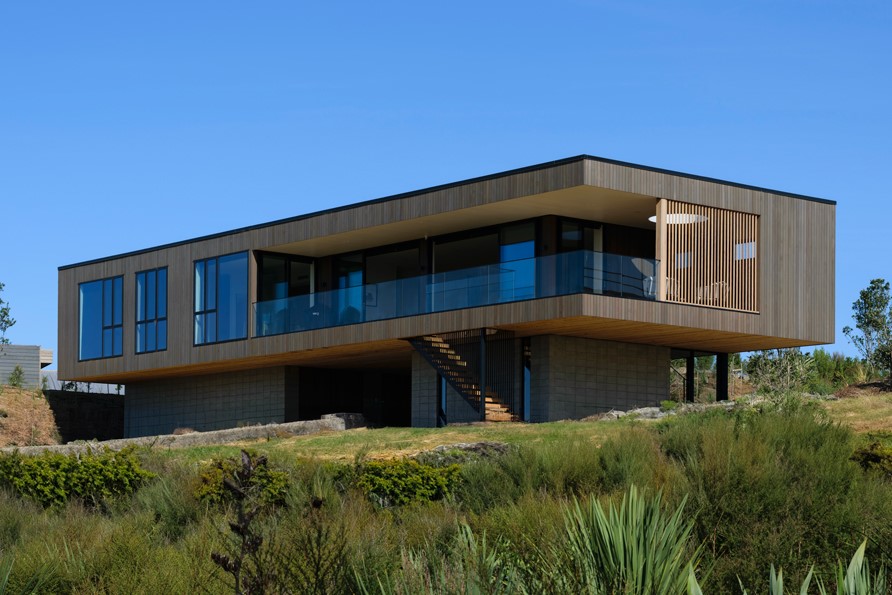
Construction and renovation costs have remained elevated, even as supply chains have stabilised. Average estimated residential building costs in New Zealand in 2025 were between $3,000 and $5,500 per square metre. Renovations often fall at the higher end of that range due to demolition, structural adjustments and working within existing constraints.
For specific spaces, the numbers are just as telling. A mid-range kitchen renovation typically costs between $25,000 and $50,000, while high-end kitchens can exceed $80,000. Bathrooms cost between $15,000 and $35,000, but premium finishes and layout changes can significantly increase costs. Even smaller upgrades, such as repainting or flooring, can quickly reach $5,000 to $15,000 per room, including labour and materials.
Why budgets blow out
One of the most common misconceptions is that quotes represent a fixed total. In practice, many projects exceed their original budget by 10 to 30 per cent, according to renovation and building sector reports published in 2025.
There are several reasons for this. Hidden issues are a major factor, particularly in older homes. Problems such as outdated wiring, moisture damage or uneven foundations are often only discovered once work begins. Changes to the scope of work also add up quickly. Deciding to upgrade finishes, move plumbing or alter layouts mid-project can significantly increase costs.
Skilled trades are in high demand across New Zealand, and hourly rates have continued to rise. Builders, electricians and plumbers often need to be booked well in advance, and delays can add both time and cost.
The overlooked costs
Beyond the visible work, there are several expenses that homeowners often underestimate. Consent fees and inspections can range from $2,000 to $10,000 or more, depending on the project and local council requirements.
Design fees are another consideration. Architects and designers typically charge between 8 and 15 per cent of the total project cost, which can be essential for more complex renovations.
Temporary living costs can also add up. If your home is not liveable during the renovation, renting short-term accommodation or eating out more frequently can add thousands to your overall spend.

How to plan more accurately
A realistic budget starts with accepting that the first number is rarely the final one. Many industry professionals recommend setting aside a contingency of at least 15 to 20 per cent to cover unexpected costs.
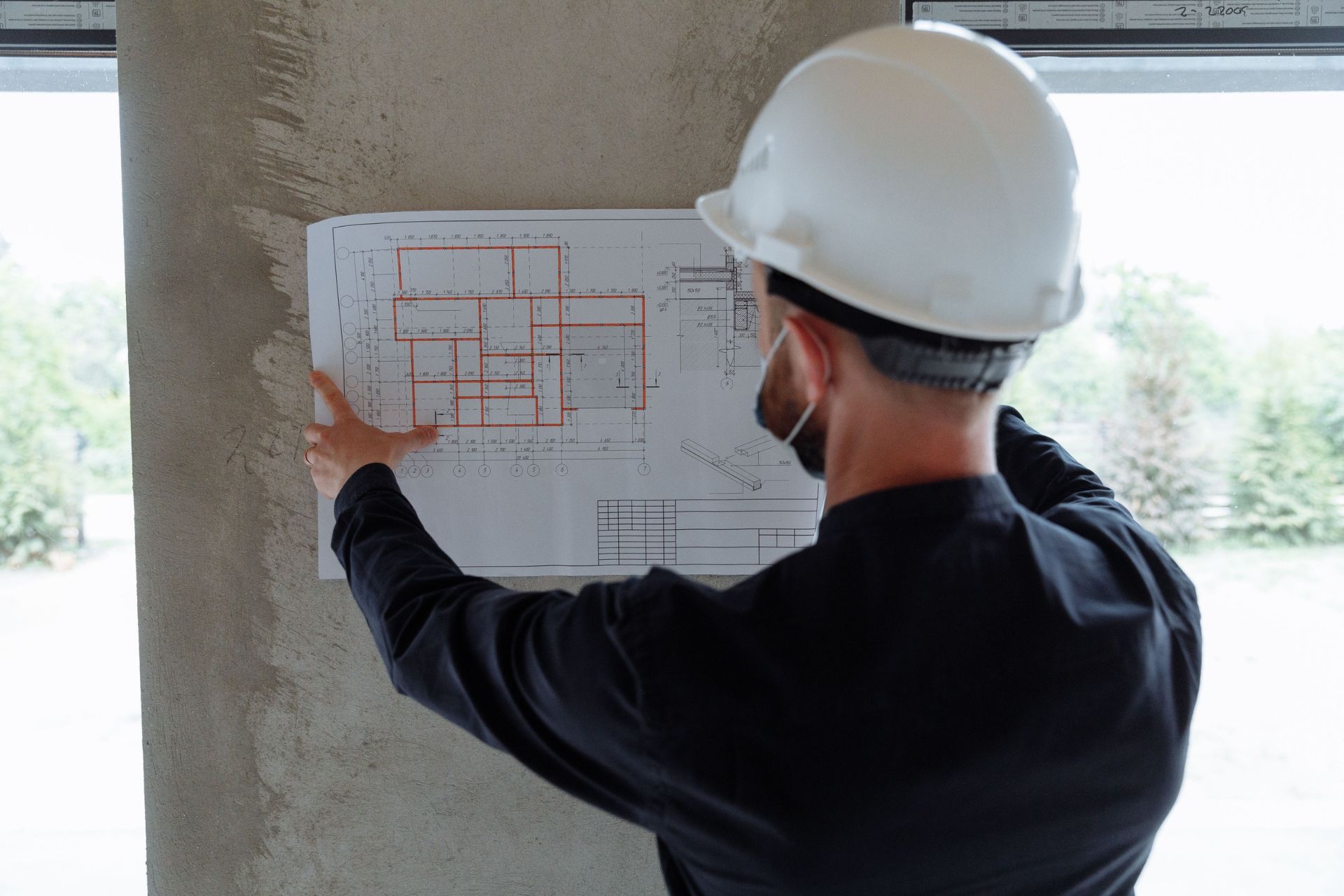
Detailed planning is one of the most effective ways to stay in control. Finalising design decisions early, understanding material costs and getting multiple quotes can reduce the risk of surprises later.
It is also worth being clear about priorities. Splitting your budget into “must-haves” and “nice-to-haves” makes it easier to adjust if costs begin to climb.
Is renovating still worth it?
Despite the high costs, renovation remains a popular choice in New Zealand. With property prices still significant in many regions, improving an existing home is often more achievable than moving.
The key is going in with a clear understanding of the real cost. Renovation is not just about the price per square metre or the initial quote. It is a layered investment that includes time, planning and flexibility. With the right approach, it can still deliver strong value, both financially and in how you live in your home.