Making sustainable choices for your home

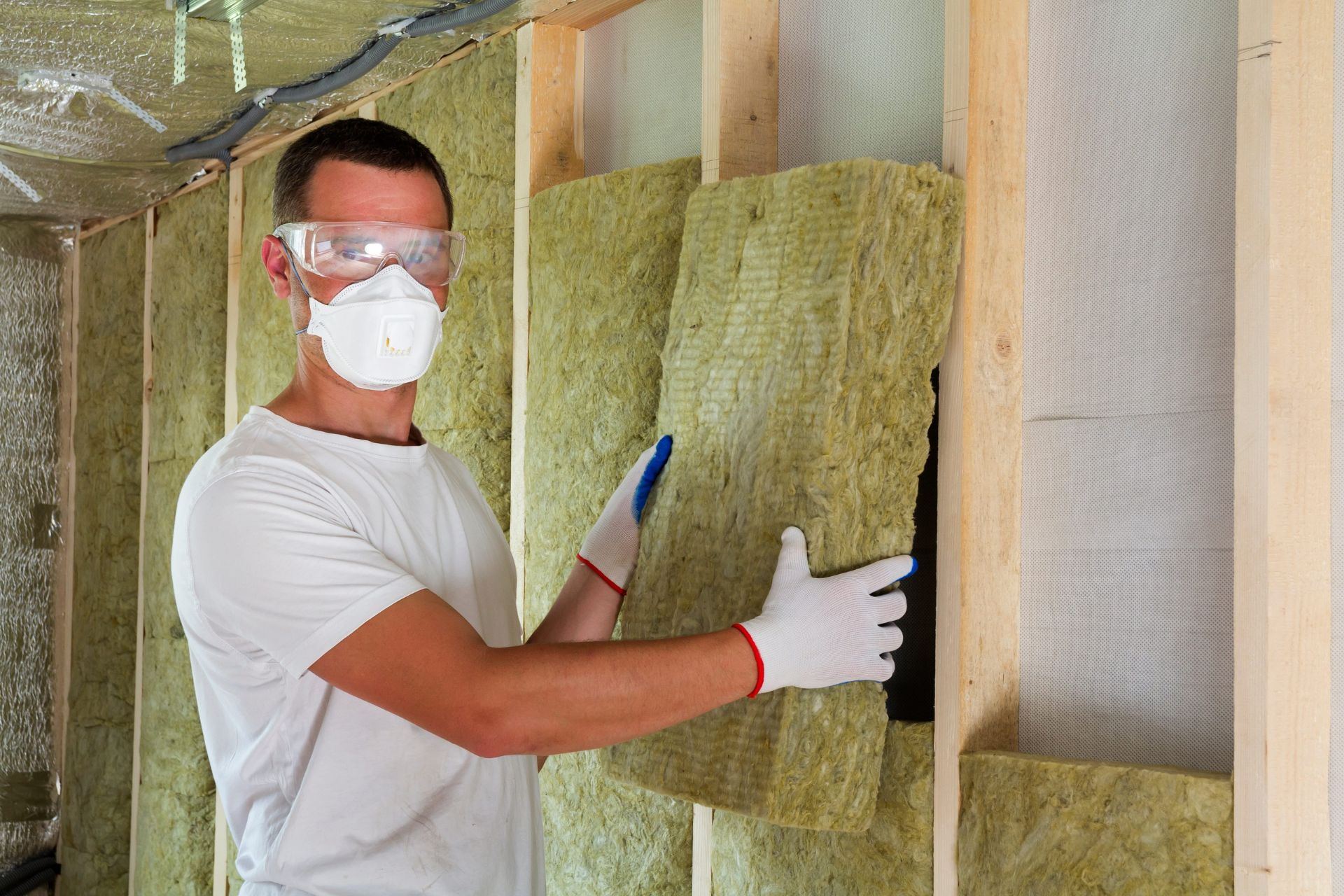
Making a home comfortable often come with hidden costs for the planet. Everyday purchases can generate plastic waste. They can also drain electricity and use large amounts of water. Small changes can make a big difference. Choosing products that are natural, recyclable, and energy efficient helps create a home that is both stylish and sustainable.
Reduce plastic wherever possible
Plastic is one of the biggest contributors to environmental waste. Replace or swap single-use kitchen wraps with beeswax wraps or silicone lids. Choose reusable shopping bags, produce bags, and storage containers. Small changes in the bathroom also make a difference. Use bar soap instead of liquid soap in plastic bottles. Refillable shampoo dispensers cut plastic use dramatically.
Choose natural and recyclable materials
Look for homeware made from bamboo, wood, glass, ceramic, or metal. Bamboo cutting boards, wooden utensils, glass storage jars, and ceramic cookware last longer than plastic alternatives. These materials are biodegradable or recyclable at the end of their life. Furniture made from sustainably sourced wood or recycled materials reduces environmental impact. For textiles, pick organic cotton, linen, or hemp or wool instead of synthetic fabrics. These fabrics last longer and leave a smaller carbon footprint.
Save electricity at home
Energy-efficient appliances reduce electricity use. Choose products with high energy ratings. LED lighting, induction cooktops, and low-energy fridges and washing machines use less power. Unplug devices when they are not in use. Use smart power strips to avoid “phantom” energy consumption. Air-dry clothes when possible. Turn off lights when leaving a room. Small habits add up over time.
Conserve water
Water-efficient fixtures reduce water use. Low-flow taps, showerheads, and dual-flush toilets save water without reducing comfort. Use eco-modes on dishwashers. Only run full loads when washing dishes or clothes. Collect rainwater for outdoor plants. Use greywater for flushing toilets when possible.
Buy less and choose well
Sustainable living is not only about replacing products. It is also about buying smarter. Choose durable items that will last. Avoid cheap, disposable alternatives. Repair or repurpose items when possible. Minimalism or buying less supports sustainability. Fewer items create less waste and lower environmental impact.
Make sustainability stylish
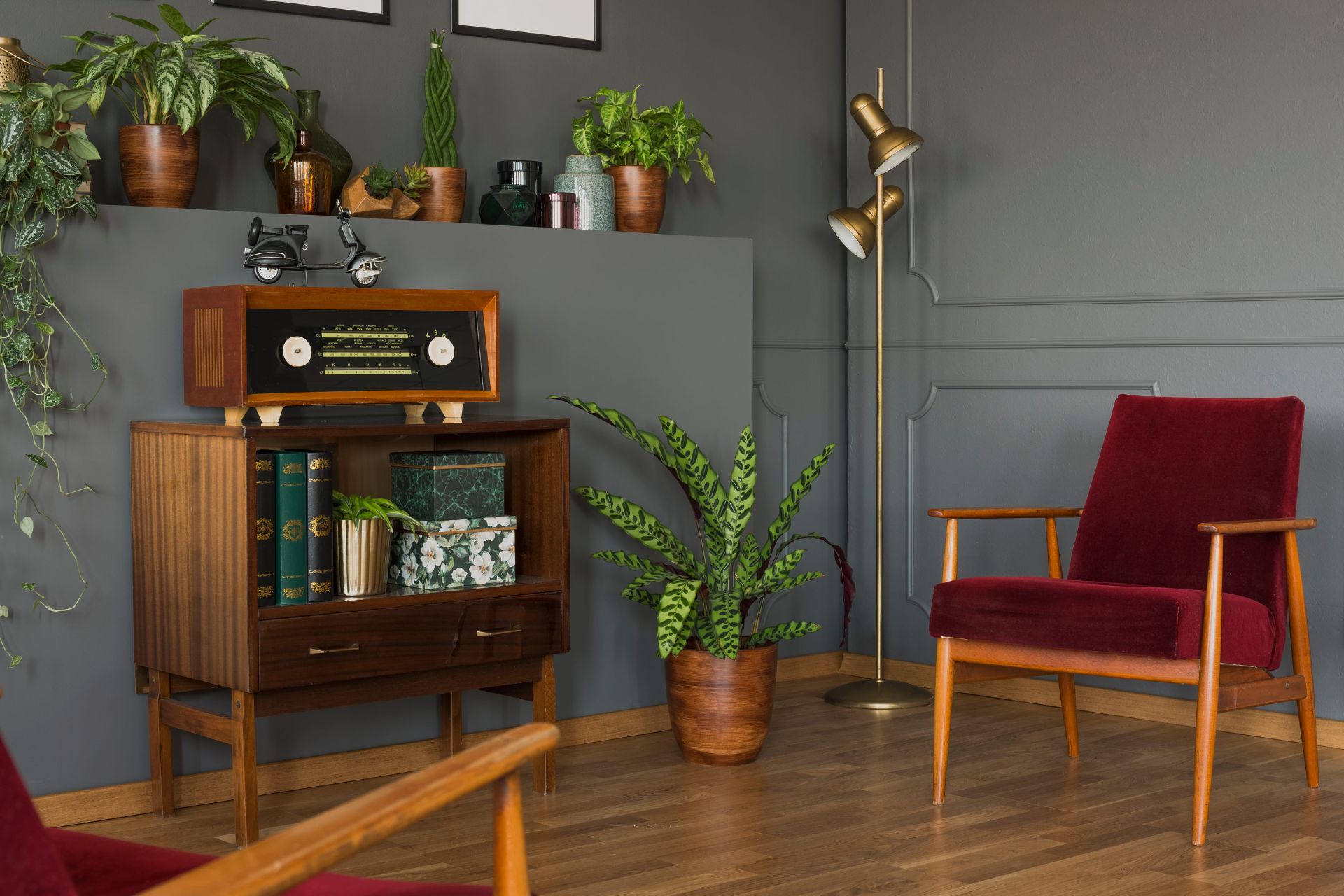
Sustainable choices don’t have to compromise style or comfort. Many brands offer high-quality products made from natural or recycled materials. A home filled with thoughtful, long-lasting items feels more like a home. Second hand finds can add character and eclectic flair. Restoring or upcycling old pieces of furniture is worth the effort for a home that reflects your personal style.