Get your kitchen cooking

The kitchen is one of the most active spaces in the home, and the appliances within it play a major role in how easily and efficiently people cook each day. In New Zealand homes, ovens, cooktops and microwaves are usually chosen together, as each one supports a different style of cooking. Understanding the differences can help homeowners make decisions that suit both budget and lifestyle.
Ovens
The most common options are single ovens, double ovens, and wall ovens. Single ovens are suited to smaller households or compact kitchens, while double ovens are popular with families or those who entertain often. They allow multiple dishes to be cooked at different temperatures at the same time.
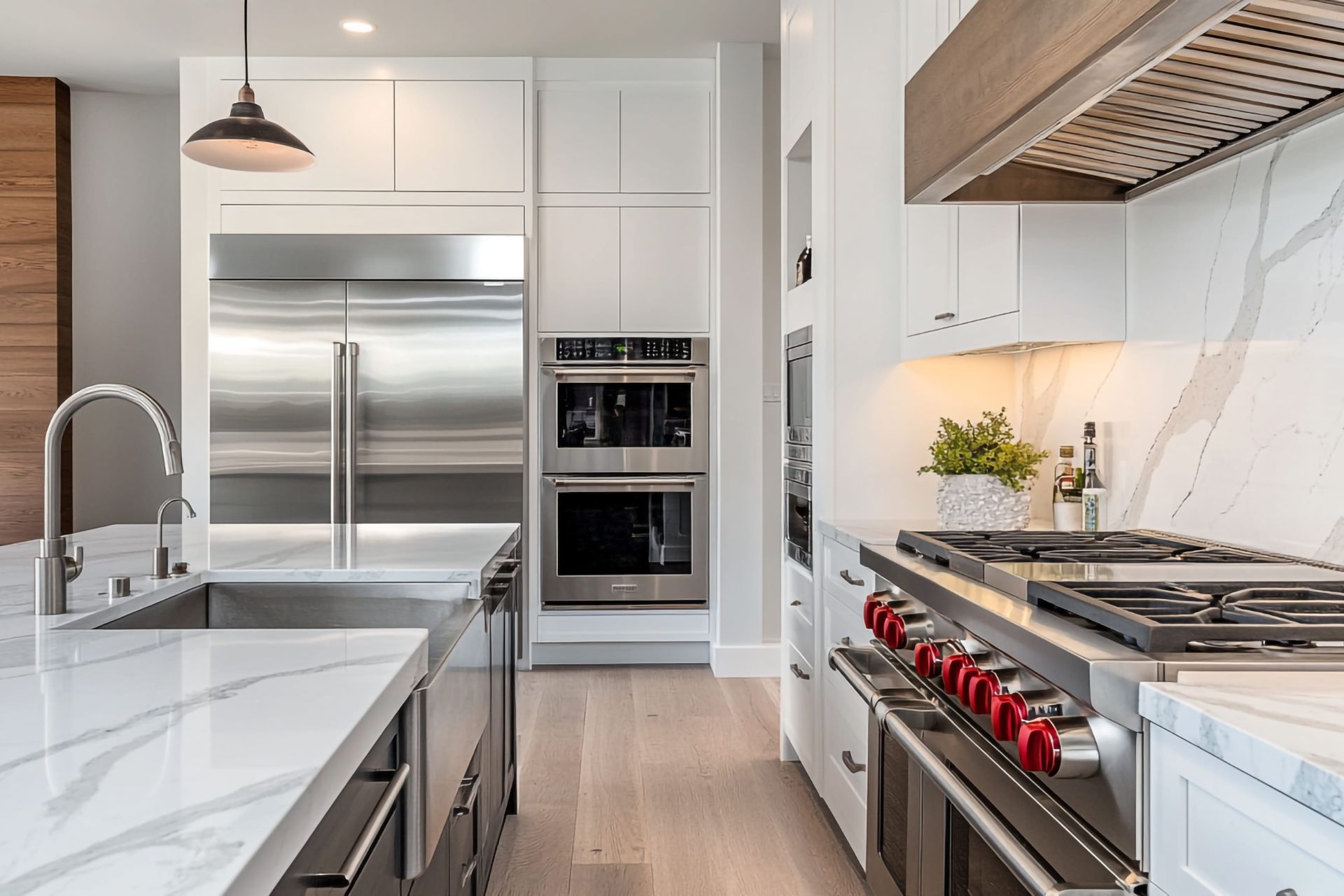
Wall ovens are often installed at eye level, which improves accessibility and reduces bending. This is particularly useful for older homeowners or anyone prioritising comfort in daily use.
Cooking performance depends on technology. Fan-forced ovens are widely used because they circulate heat evenly and reduce cooking times. Conventional ovens are still valued for baking, where gentle, steady heat is preferred. Some modern models also include steam functions, which help retain moisture in food and support healthier cooking styles.
Cleaning features can also make a difference. Pyrolytic ovens use high heat to burn off residue, while catalytic liners absorb grease during cooking. These systems reduce manual cleaning and improve long-term convenience.
Cooktops
Cooktops are one of the most frequently used kitchen surfaces, so responsiveness and efficiency matter.
Induction cooktops are now one of the most popular choices in New Zealand. They use electromagnetic energy to heat the pan directly, which makes them fast, energy efficient and highly responsive. The surface itself remains cooler, which improves safety and makes cleaning easier. The only limitation is the need for compatible cookware.
Ceramic or electric glass cooktops offer a smooth, modern surface at a lower upfront cost. They are easy to clean but heat up more slowly and retain heat after use.
Gas cooktops remain popular for their visual flame control and instant heat adjustment. Many cooks prefer gas for high-heat techniques such as searing or stir-frying. However, they require a gas connection and more regular cleaning around burners.
Ventilation should always be considered with your choice of cooktop. A quality rangehood helps remove steam, grease and cooking odours, which is especially important in open-plan homes.
Microwaves
Microwave ovens continue to play a key role in modern kitchens, particularly for reheating, defrosting and quick meal preparation. In many homes, they are no longer just a secondary appliance but an integrated part of daily cooking.
There are several types to consider. Freestanding microwaves are the most affordable and flexible, as they can be placed anywhere with a power outlet. Built-in or integrated microwaves offer a more streamlined look and are often installed within cabinetry or wall units to match modern kitchen design.
Combination microwaves are increasingly popular. These units combine microwave functions with grilling or convection cooking, allowing them to bake, roast or crisp food as well as reheat it. This makes them useful in smaller kitchens where space is limited.
When choosing a microwave, consider the capacity and power output. Higher-wattage models cook more quickly and evenly, while larger capacities are better suited to families or batch cooking. Ease of cleaning and simple controls also add to everyday practicality.
Bringing it all together
Choosing kitchen appliances is about more than individual features. It is about how ovens, cooktops and microwaves work together to support daily routines. The best kitchen setup is one that matches cooking habits, available space and long-term energy efficiency goals.
Whether the priority is speed, control, simplicity or versatility, a well-planned combination of appliances can make cooking easier, more efficient and more enjoyable for years to come.