How to budget for a home renovation

Renovating your home can be exciting, but it can also quickly become expensive if you don’t plan carefully. Budgeting realistically is the key to achieving your dream home without financial stress. Here’s a practical guide to estimating costs for common renovations, including labour, materials, and professional fees, based on recent New Zealand articles and industry insights.
Kitchens
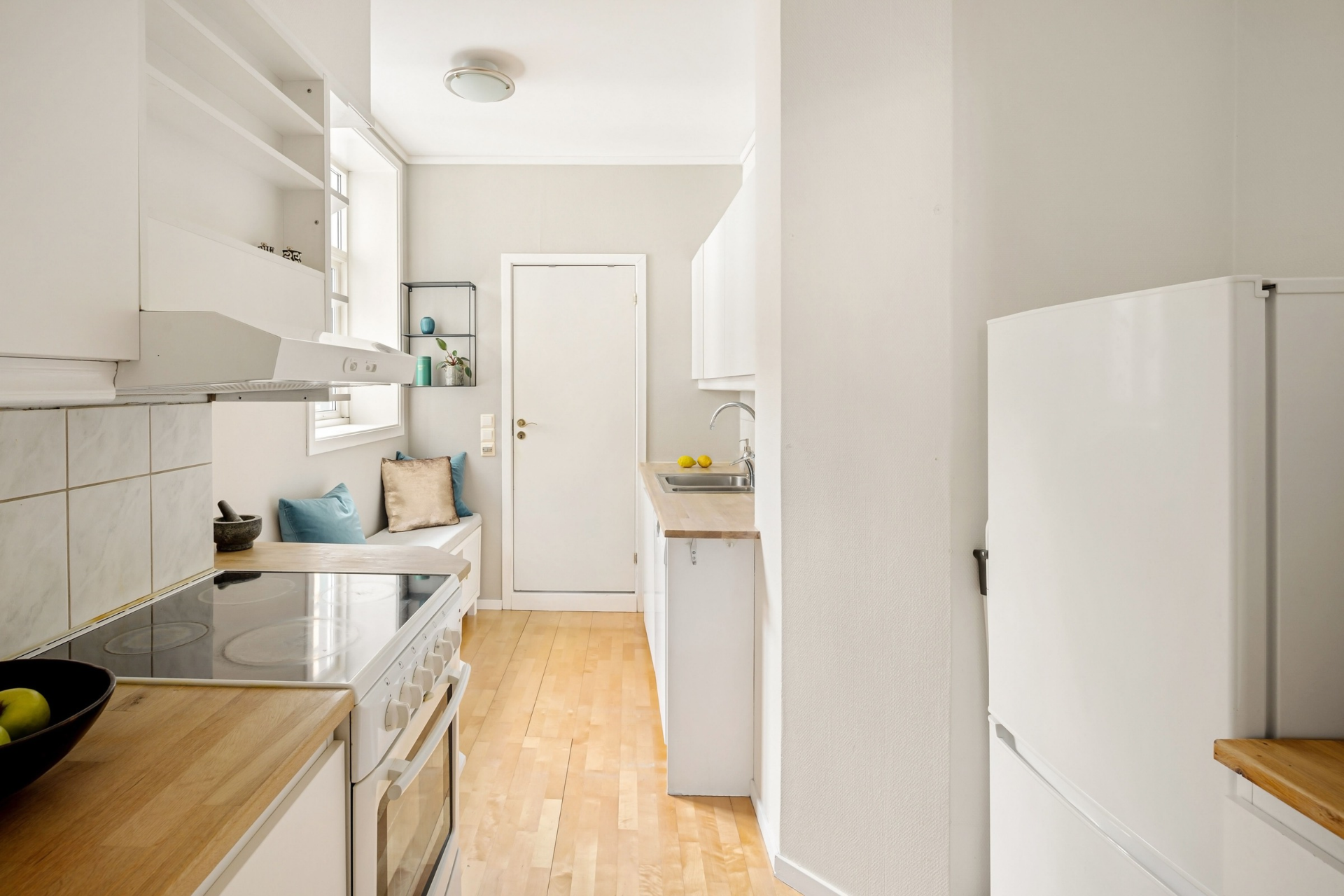
Kitchens are often the heart of a home, but also one of the more costly renovations. For a mid-range kitchen renovation, including cabinetry, benchtops, appliances, plumbing, and electrical work, expect to pay $25,000–$45,000. If you hire an interior designer or kitchen specialist, fees typically add 8–15% of the project cost, or around $2,000–$6,750. High-end kitchens with custom joinery and premium appliances can exceed $60,000, with proportionally higher design fees.
Bathrooms
Bathroom renovations can range widely depending on size and finishes. A standard update might cost $15,000–$30,000, while larger or luxury bathrooms with freestanding baths, high-end tiles, and custom joinery can reach $40,000+. Hiring a designer to help with layouts, finishes, and storage solutions will typically add $1,200–$6,000.
Adding bedrooms or living spaces
Creating an extra bedroom or extending a living area generally costs $25,000–$60,000, depending on size, finishes, and structural work. Designer or architectural input is highly
recommended for seamless integration with your existing home, adding another 8–15% to the total cost.
Attic conversions
Turning an attic into a usable space is an increasingly popular way to add value and functionality without extending the footprint. Expect costs of $80,000–$140,000, including structural reinforcement, insulation, flooring, stairs, and lighting. Architectural and engineering fees can add $6,400–$21,000, particularly if the conversion requires resource consent.
Digging underneath a house
Excavating under a home to create extra living space, such as a basement or additional bedroom, is one of the more complex and expensive renovations. Costs typically range from $120,000–$250,000, including structural engineering, excavation, retaining walls, waterproofing, and internal fit-out. Architectural and engineering fees can add $9,600–$37,500 depending on the complexity and council requirements.
Smaller upgrades
Not all renovations need to be major. Simple updates such as painting, re-tiling, or replacing fixtures can cost as little as $5,000–$15,000, and designer input may not be necessary. Even for these smaller projects, consulting a professional for layout or colour advice can be helpful, often costing $500–$1,500.

Tips for budgeting your renovation
Include a contingency: Always set aside 10–20% of your budget for unexpected costs. Renovations often uncover surprises such as hidden water damage, outdated wiring, or structural issues.
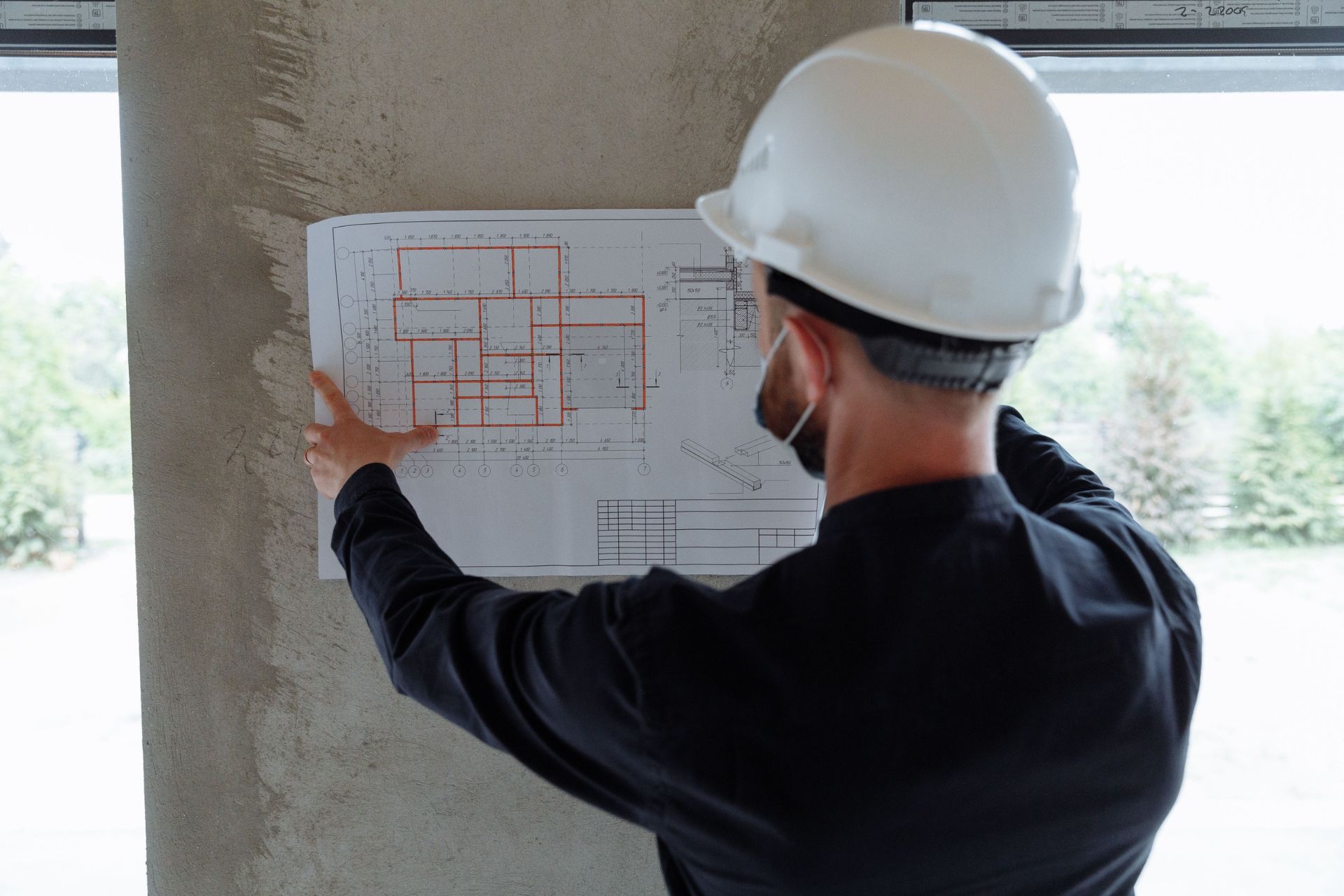
Factor in professional fees: Architects, designers, and engineers ensure your project meets safety, building code, and aesthetic standards. Their fees are an essential part of budgeting, especially for structural changes or full-home renovations.
Compare multiple quotes: Labour and materials can vary significantly between contractors. Getting at least three quotes helps avoid overpaying.
Prioritise needs vs wants: Focus on upgrades that improve functionality and comfort, then layer on luxury features if your budget allows.
Check consent requirements: Structural changes, building extensions, and some attic conversions require council approval. Factor in costs for consent applications and inspections.
Renovating your home is a balance of vision, practicality, and finance. By understanding the realistic costs—including labour, materials, and professional fees—you can plan a renovation that enhances your home without creating financial strain. Remember, consulting with architects, designers, and builders early in the process can save time, money, and stress, while helping you create a space you’ll love for years to come.