Bring the spa home

Who doesn’t want a home spa? Homeowners looking to bring a slice of resort style relaxation into everyday life needn’t save it for the occasional weekend away.
Unlike a full spa room, which demands floor space and budget, a spa corner is designed to work within an existing bathroom or ensuite footprint.
The concept typically centres on a single dedicated zone, often built around a freestanding bath or a generously sized walk in shower, finished with materials and lighting that signal relaxation rather than pure function.
Natural materials are doing most of the heavy lifting in these spaces. Timber accents, stone benchtops and woven textures are being used to soften what can otherwise be a clinical, tiled environment, while warmer lighting choices replace the harsh overhead downlights more commonly associated with bathrooms.
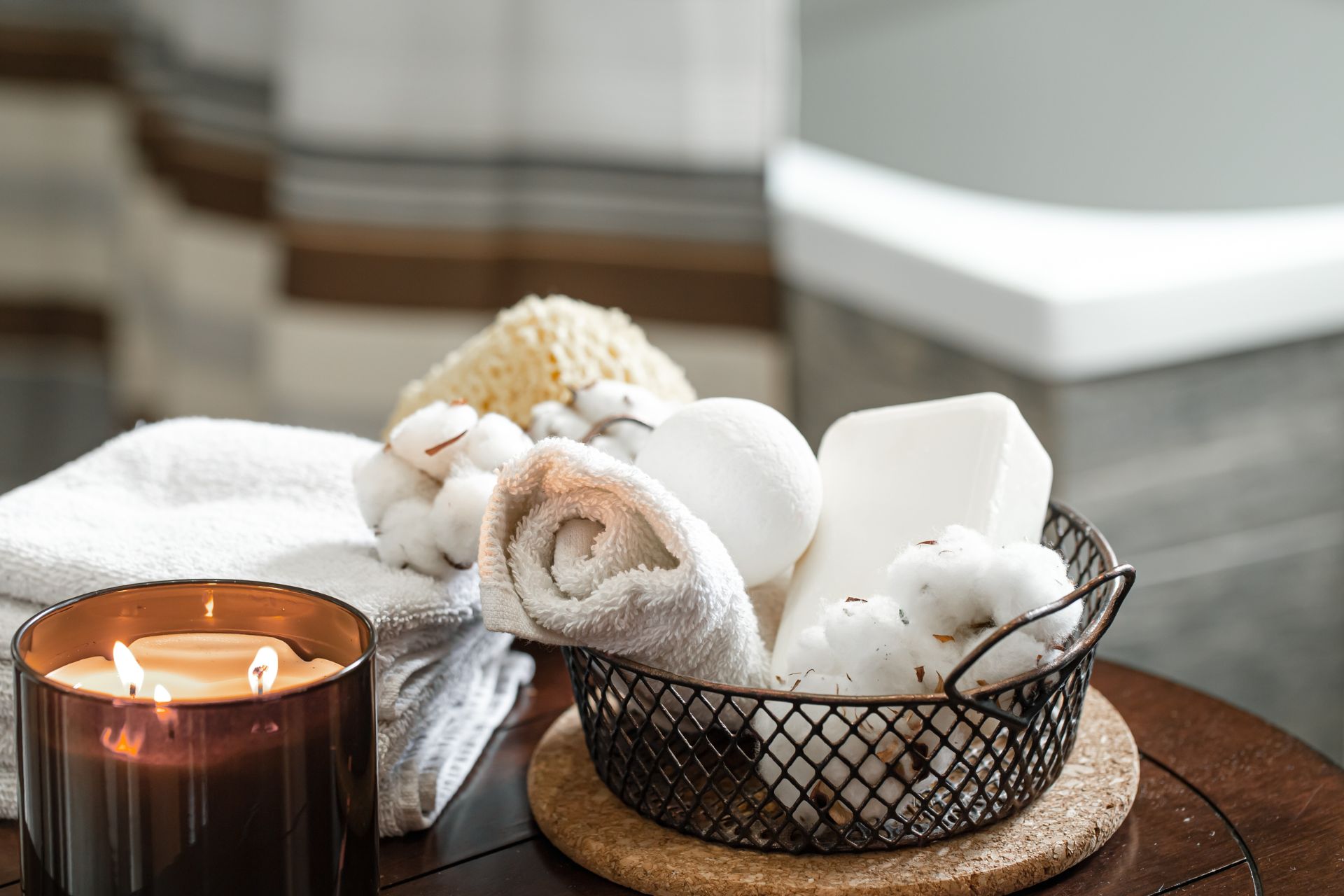
Dimmable fittings and even small candle nooks are increasingly common requests, giving homeowners the ability to shift the mood from bright and practical in the morning to soft and calming in the evening.
Water features are also finding their way into smaller renovations. A rain shower head or a compact waterfall style bath tap adds a sensory element that budget conscious renovators say delivers a disproportionate amount of the spa feeling for a relatively modest cost compared to a full spa installation.
Storage and clutter control matter just as much as finishes. Many home spa corners are being designed with concealed cabinetry to keep everyday toiletries out of sight, leaving only a curated selection of items, such as a stack of folded towels or a single plant, visible on open shelving.
The effect is meant to mimic the pared back styling of a boutique hotel bathroom rather than a family bathroom mid use.
Heated flooring has become another popular inclusion, particularly in colder parts of the South Island, where stepping onto a heated tile after a bath or shower is seen as a small but meaningful upgrade to daily comfort.
Heated towel rails, once considered a minor add on, are now frequently specified as standard in these renovations.
For renovators working with a smaller existing bathroom, designers suggest concentrating spa style upgrades into one corner or wall rather than attempting to overhaul the entire room, allowing budget to be directed toward a few higher impact elements such as a feature tile, a statement tap or improved lighting.
The trend reflects a broader shift toward treating the home as a place for genuine downtime rather than simply a base to return to at the end of the day, with the bathroom increasingly positioned as the room where that shift is most visible.