High standards

The rules for building in South Canterbury have shifted this year, from the Mackenzie’s tight controls to a new consent exemption, and local know-how is what keeps a project on track.
Building in the Mackenzie has never been busier, or more closely watched. The district has absorbed what its own spatial plans call “unprecedented and sustained levels of growth”, pressure that has “placed strains on the district’s communities, infrastructure, and environment”. The response has been some of the tightest development controls in the country.
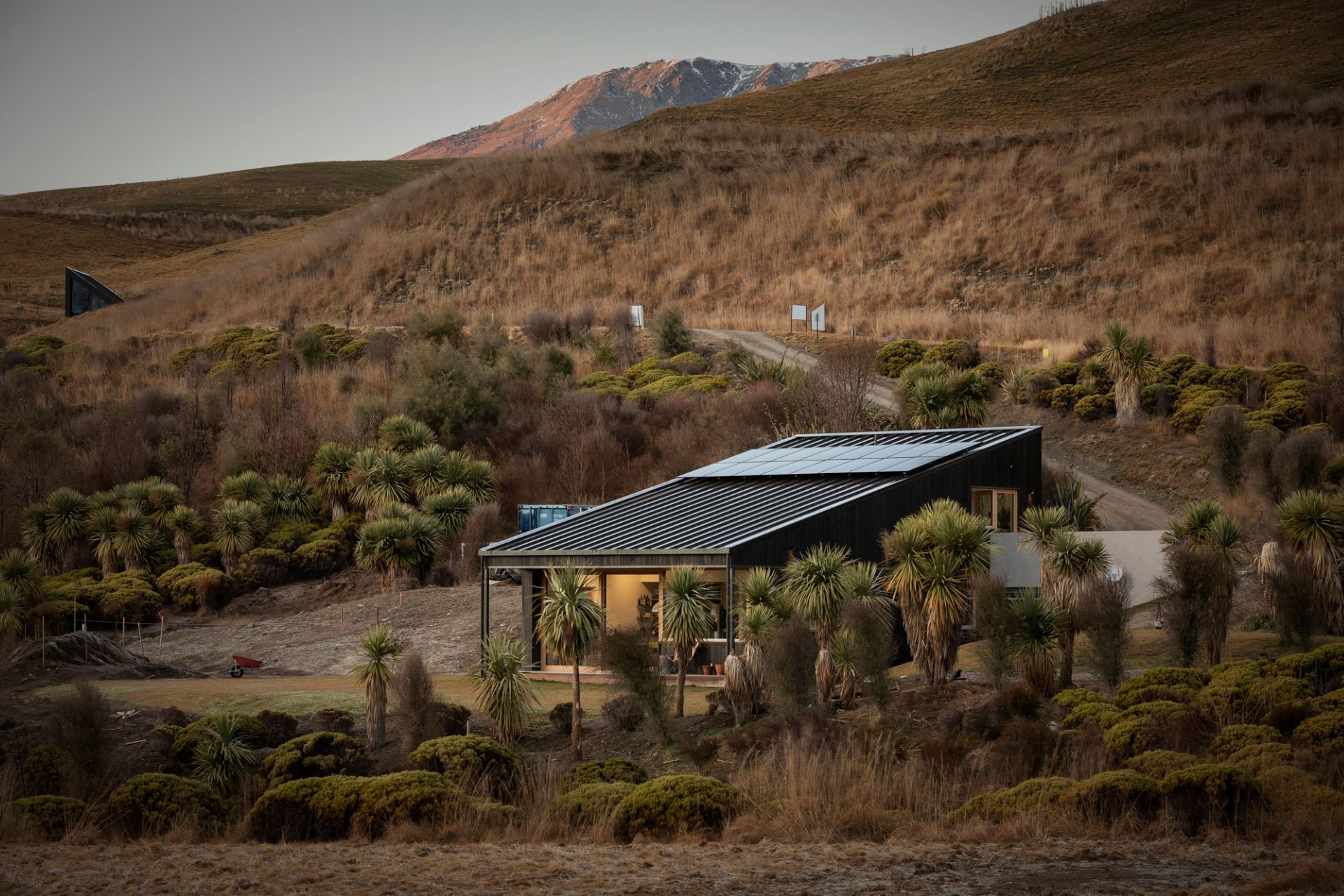
For anyone putting up a house between Tekapo and Twizel, that shows up in the detail. Rules govern how tall a building can be, with limits in some zones as low as five metres.
They govern where it can sit, because the basin’s open views are protected. They govern how it is lit, because this is the Aoraki Mackenzie Dark Sky Reserve. Parts of the basin even carry their own requirements for managing fault rupture hazard.
At the coastal end of the region, the rulebook has just been rewritten. In March, Timaru District Council notified its decisions on the Proposed District Plan, resetting the provisions that govern subdivision and residential growth across the district. It lands as developers push ahead, with new subdivisions such as Parkside Ridge and a proposed ninety-home development adding sections to the Timaru market.
A new exemption, with strings
One national change matters to almost everyone. Since January, small dwellings of up to seventy square metres can be built without a building consent, a government move aimed at easing the housing shortage and cutting the cost and delay of consenting simple homes.
For anyone weighing up a minor dwelling, a sleepout or a unit for family, it is a genuine opportunity. It also comes with a long list of conditions, and getting it wrong can bring enforcement action rather than a saving.
Which is why local knowledge counts
Three sets of rules across one region, and all of them moving. Add the physical differences and the case for local expertise makes itself.
A home in Timaru and a home at Twizel are not the same problem. The coastal climate, the frosts and wind of the inland basin, and the intense light of the high country all ask different things of a house, and the orientation, insulation and cladding that suit one part of the region can be wrong for another.
Builders, designers and tradespeople who work across South Canterbury understand those differences, and the rules that come with them, in a way no generic plan can. That knowledge carries right through to the finish, from the joinery and the flooring to the benchtop under the morning coffee. With building activity across Canterbury at its strongest in years, it is the most valuable thing on any project’s list.