Asbestos at home: from old cladding to children’s play sand

If your home was built before 2000, it may contain asbestos, and this Christmas the risk also extends to children’s toys. Asbestos Awareness Week runs from 16 to 22 November, as consumer groups warn shoppers to avoid coloured play sand.
WorkSafe calls asbestos the country’s number one work-related killer, responsible for an estimated 220 deaths a year. Its message this week is simple: “until you know, assume asbestos.”
Where it hides in the home
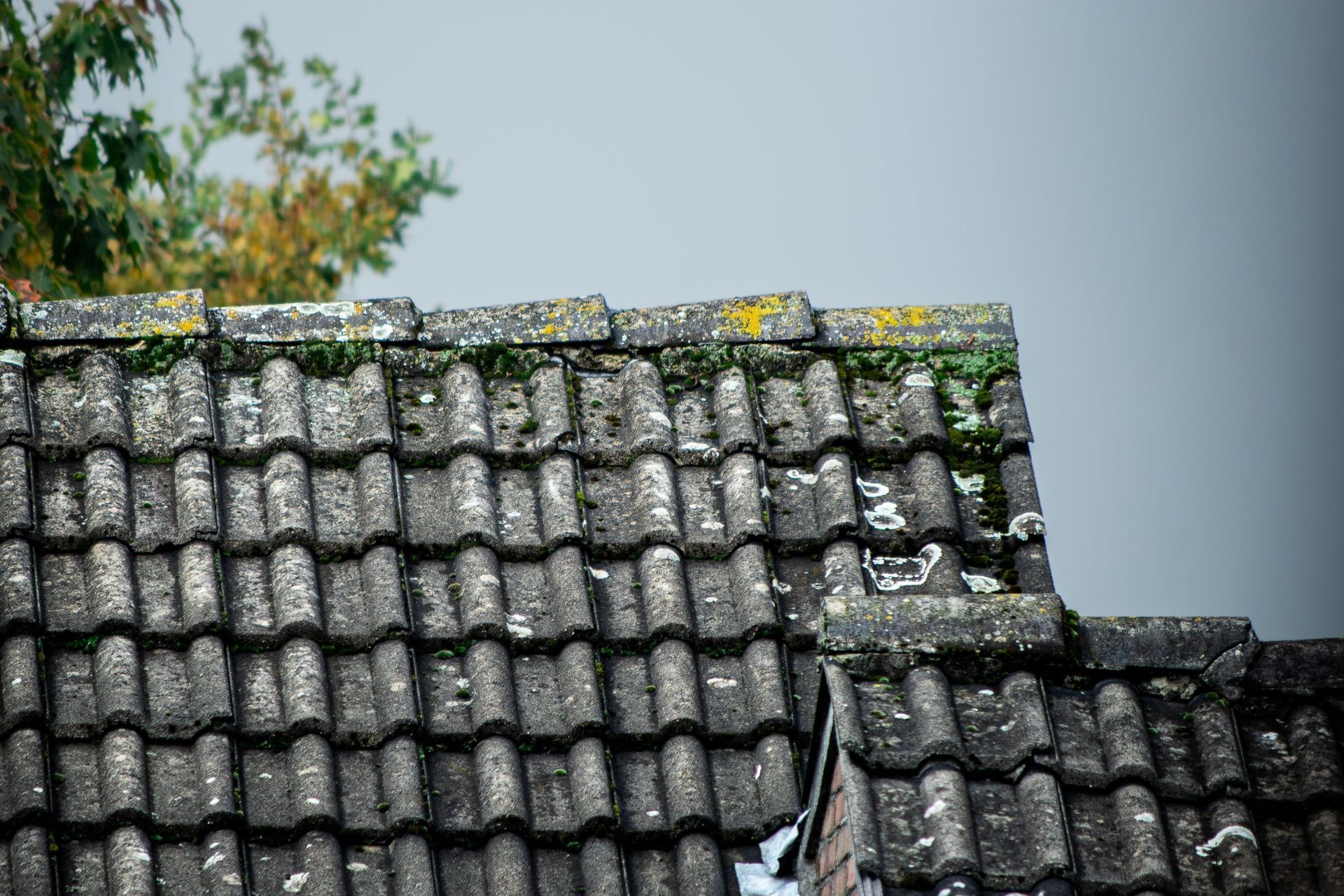
“Roofs, lino, cladding, electrical meter boards could all contain asbestos – you can’t tell whether a material contains asbestos just by looking at it,” WorkSafe Construction Lead Adrian van Dyk said.
WorkSafe’s advice for homeowners is that “If your home was built before 1 January 2000, it may contain some asbestos materials.” For homes built after that date, the risk is lower.
Asbestos in good condition isn’t the danger. “Materials containing asbestos, that are in a good condition and left untouched, aren’t a risk. But once disturbed, asbestos can release fibres into the air,” Adrian said.
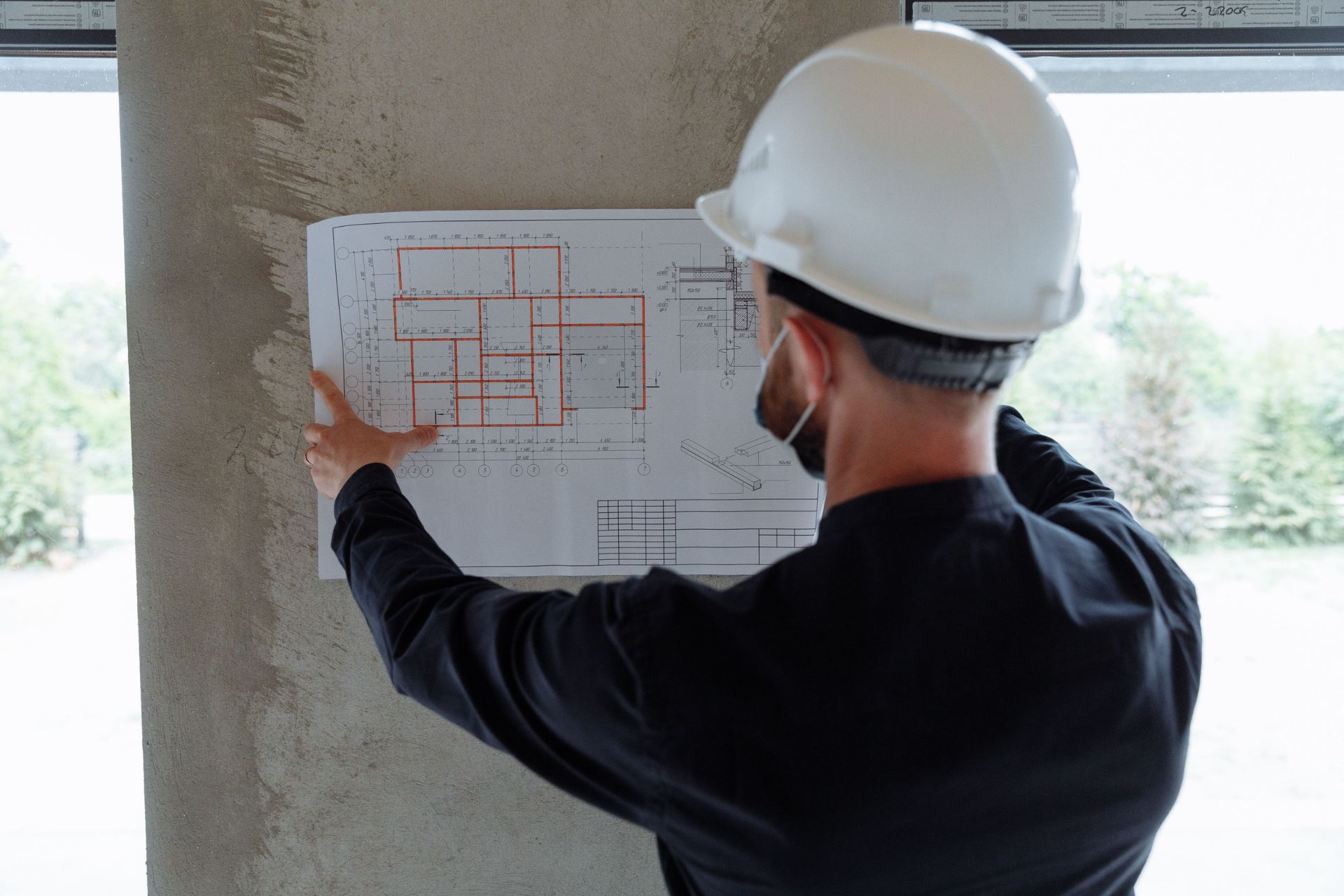
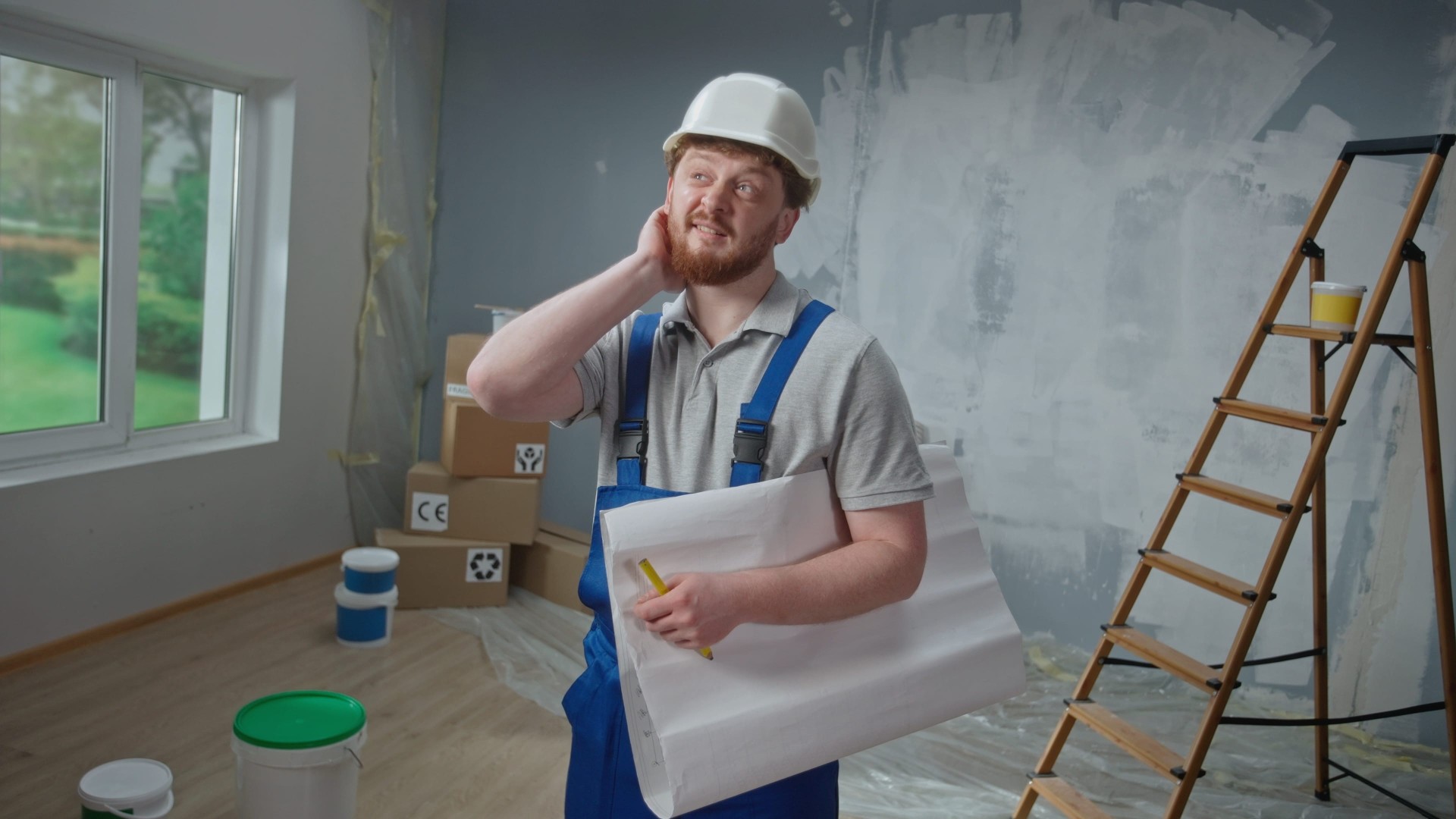
That’s why renovations matter. “If you suspect a material may contain asbestos, stop work and arrange for it to be tested before disturbing it,” Adrian said.
Members of the public made almost 650 asbestos notifications to WorkSafe between January and October, about the same as last year. Around 80% were followed up by inspectors, and more than 4% were classed as an immediate risk of harm.
Doing the work yourself
The asbestos regulations set rules for businesses, not for owner-occupiers working on their own homes. WorkSafe says that if you’re working on your own home, or getting others to work on it, you aren’t a business under health and safety law, but a landlord who doesn’t live in the property is.
That doesn’t make DIY removal safe. WorkSafe “strongly recommends that you get advice from a reputable asbestos contractor”, and Health New Zealand advises sealing undamaged cladding rather than removing it, without power tools or water blasting.
If you hire someone, most asbestos removal must be done by a licensed removalist, though up to 10 square metres of non-friable asbestos can be removed by a trained, competent worker.
Asbestos in play sand
Asbestos has also turned up in children’s coloured play sand. On 12 November, Consumer NZ reported that tremolite asbestos was found in the orange sand in Faber-Castell’s Plant & Grow Woodland Forest kit, and it now “strongly recommends shoppers avoid all coloured play sand”.
The kit has been recalled, and buyers are told to stop using it immediately and contact Faber-Castell for a refund. It was sold at The Warehouse, Spotlight, Paper Plus and Mitre 10 Martinborough.
By October, 23 sand products had been recalled, affecting around 46,000 items, according to the Commerce Commission. From 1 February 2027, sand products including toys for children under 14 must be tested and shown to be asbestos-free before they can be sold in New Zealand.
“Parents and caregivers should be able to feel confident that the products they buy for their children are safe. These new testing requirements will help prevent sand products containing asbestos from reaching New Zealand shelves and homes,” Commerce Commission Principal Compliance Adviser Grant McIntosh said.
Until then, check product recalls before buying sand-based toys this Christmas. Health New Zealand says asbestos-related illnesses typically develop over 15 to 40 years.