Rooftop solar needs no consent, but what next?

Summer is when rooftop solar produces the most power, and two rule changes have made it simpler to install a system and send its spare power to the grid. Most home solar arrays no longer need a building consent, and lines companies now have to justify any export limit below 10 kilowatts.
No building consent for most arrays
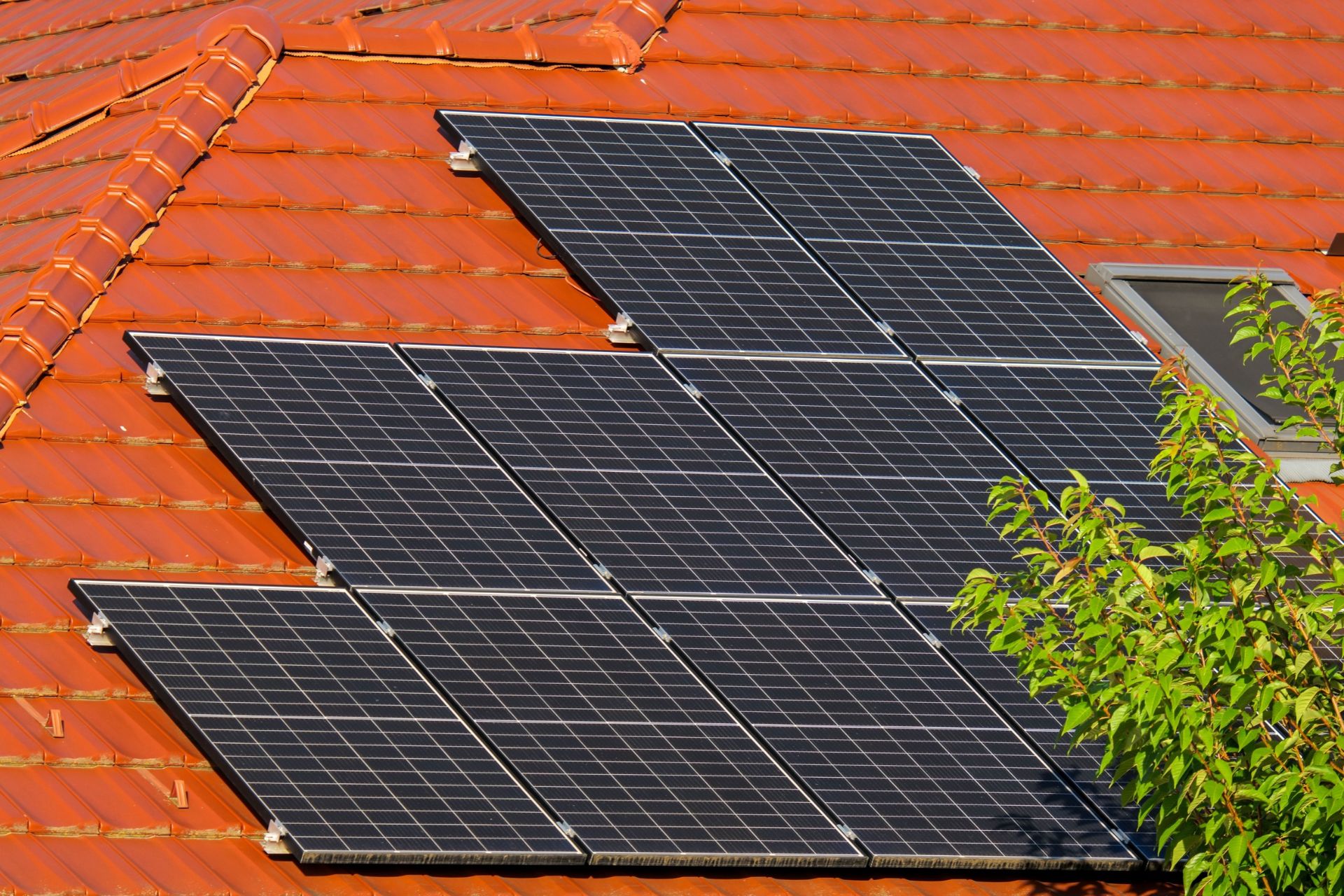
Since 23 October 2025, roof-mounted solar panels have been exempt from building consent under Schedule 1 of the Building Act 2004. The exemption applies if the arrays don’t exceed 40 square metres in total and the property is “in a wind zone no greater than high”.
The exemption removes the consent, not the rules. The installation must still comply with the Building Code, so the roof has to be able to carry the panels, and the electrical work must be done by a licensed electrician.
A 10kW default for exports
The Electricity Authority changed the rules for connecting home solar to local networks in April 2026. An export limit is the most power a home system can send back into the local network at any one time, and it’s set by the lines company that owns the poles and wires in your area, not your electricity retailer. From 11 May 2026, the default maximum export limit for small systems is 10kW “unless a network assessment determines a lower limit”.
From 11 November 2026, every lines company must use the approved assessment processes. If a lower limit applies, the Authority says, “it must have an engineering justification (network study)”.
“Currently about 75,000 households with solar, and more than 14,700 of those with batteries, can feed into local networks,” Tim Sparks, the Electricity Authority’s General Manager Networks and System Change, said when the rules were announced.
He said a 10kW limit won’t be possible everywhere. “These new rules will ensure all lines companies are setting at least 10kW limits for residential connections where they can – although this won’t be possible everywhere on networks,” Tim said.
What to check before you buy
Ask your installer to confirm the export limit your lines company will set for your address, because a lower limit affects how much power you can sell. If the lines company sets a limit below 10kW, you can ask for the network study behind it.
Check how your electricity retailer pays for exported power. Buy-back rates vary between retailers and are usually lower than what you pay for power from the grid, so most savings come from using your own solar power during the day.
Consumer NZ says a 3kW system starts from about $8,500 and puts the payback period at seven to 10 years. Your actual return depends on how much of the power you use yourself, your roof’s orientation, and your retailer’s buy-back rate.
Batteries add to the cost but let you store daytime power for the evening. A battery can also help if your lines company sets an export limit below 10kW, because power you store doesn’t count towards what you export. If your roof is in a very high or extra high wind zone, or the array is bigger than 40 square metres, you’ll need a building consent as before.