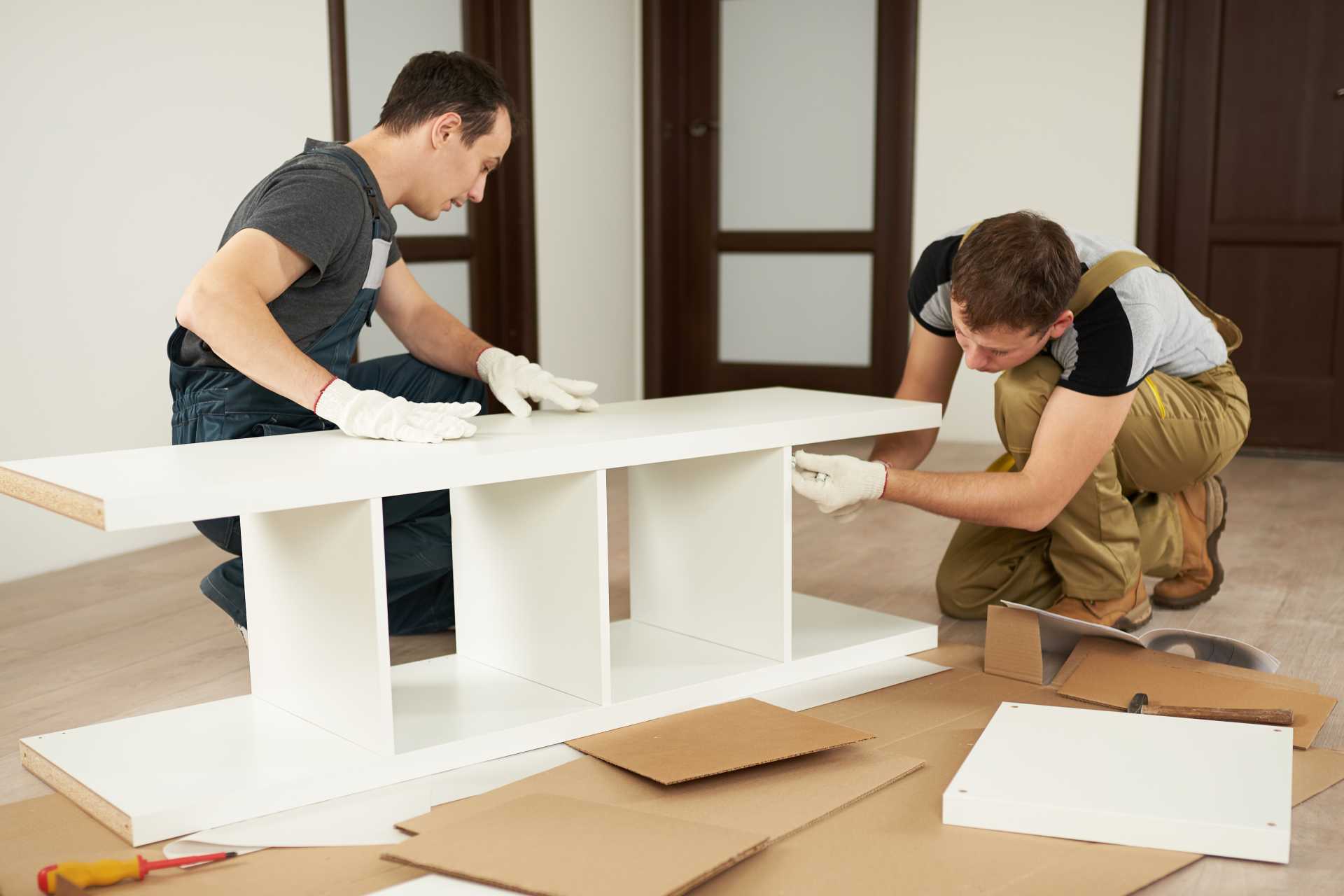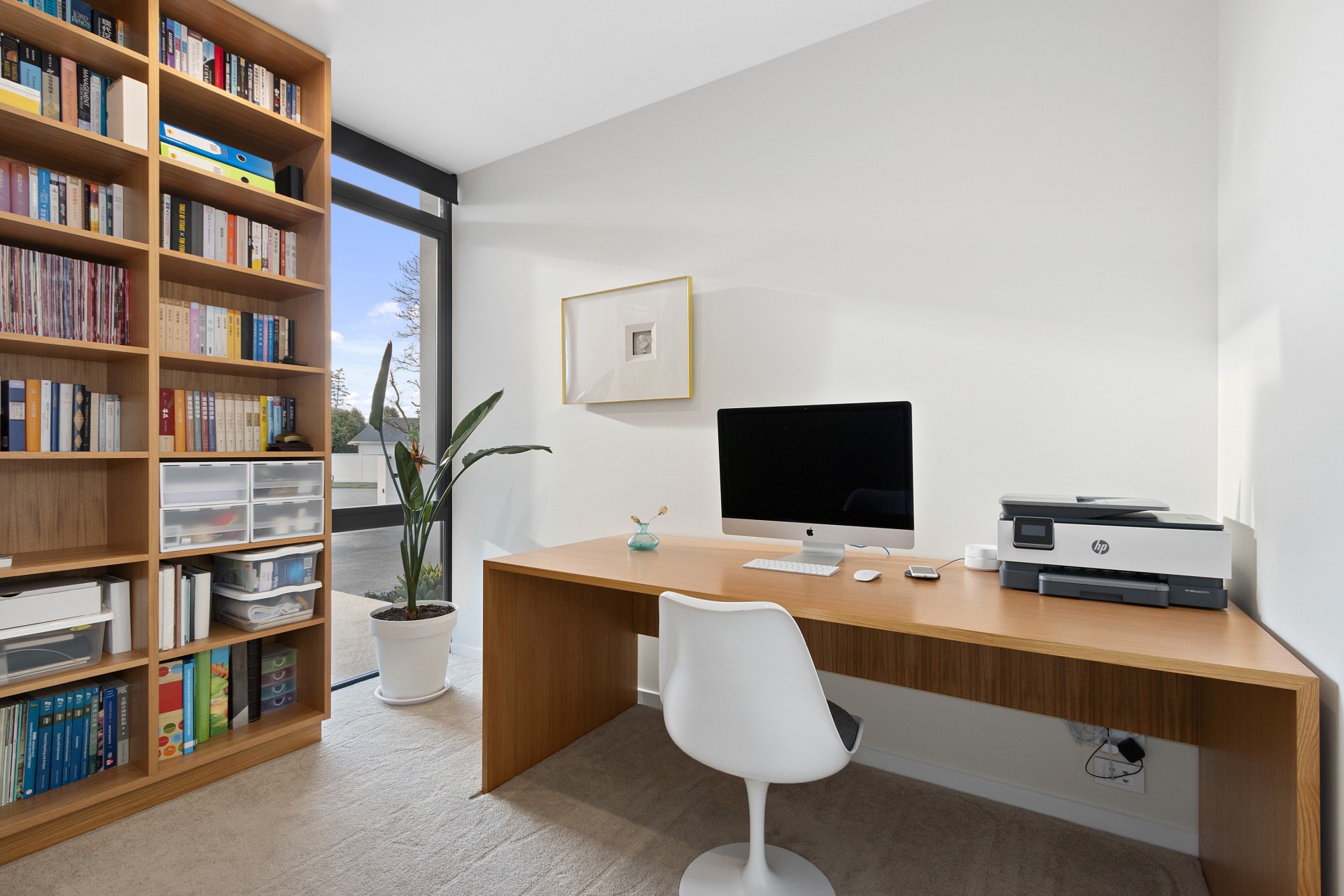
Built-in or free-standing?

There are two ways to fill a room with what it needs. You can build joinery into the walls, so window seats, wardrobes, media units, bench storage or library shelving, or you can buy good free-standing furniture. Both can be beautiful. Both can be wrong. The decision usually gets made by default rather than design, which is a shame, because the cost difference is major and the wrong call is hard to reverse.
Built-in joinery earns its cost in three situations. The first is where a room has an awkward dimension that a free-standing piece will never fill properly: a window reveal, an alcove either side of a chimney breast, a sloped ceiling, a stair void. Custom joinery turns the awkward space into the room’s best feature. A stock wardrobe simply cannot.
The second is where storage is the whole point of the room, a scullery, a laundry, a mudroom, a walk-through wardrobe. Built-in finishes the job. Free-standing leaves gaps and dust traps. The third is where the joinery defines the architecture rather than furnishing it. A floor-to-ceiling library wall, a kitchen island anchoring an open-plan space, a built-in window seat in a bay: these are architectural moves, and a free-standing equivalent reads as a compromise.
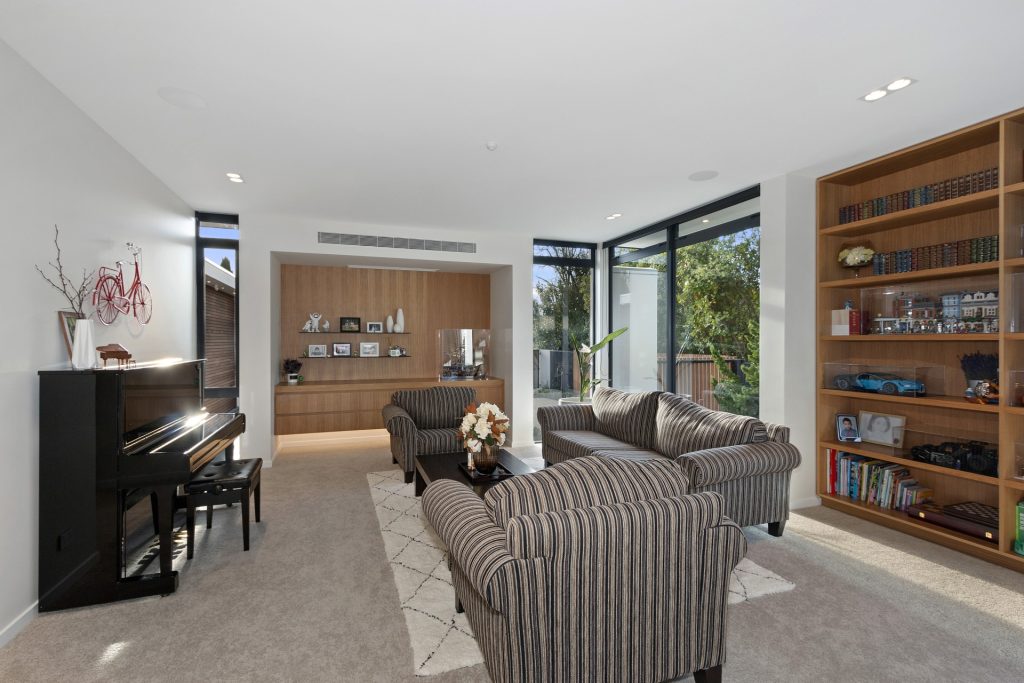
A good free-standing piece wins almost everywhere else. Bedroom wardrobes in a room with regular walls, lounge sideboards, dining sideboards, freestanding shelving, side tables and study furniture. Free-standing pieces move with you, can be sold or replaced, and let a room evolve. Built-in joinery you have committed to lives with the next renovation, and often the next owner. Architectural designers commonly remind clients of this: the built-in shelf you specified for your record collection at 35 is the built-in shelf the next owner has to live with at 70.
Of course, cost sits in this conversation as well. Quality bespoke joinery sits in a similar territory to a quality kitchen per linear metre. Useful when the joinery is load-bearing for the room’s design, expensive when it is substituting for furniture that would have done the same job better.
A hybrid is often the right answer, and the one most rarely specified. A built-in spine wall of joinery, with a free-standing armchair and reading lamp arranged in front of it. A built-in window seat anchoring a bay, with free-standing dining furniture in the same room. The architecture commits to the bits the room cannot live without. Everything else stays mobile. Interior design magazines tend to favour the all-in-one look, but the reality is that most well-resolved interiors marry both approaches.
The question worth asking before signing off on built-in joinery is not whether it would look good. It almost always would. The question is whether the room needs the joinery to work, or whether a well-chosen free-standing piece would do the same job, move with you, and leave the architecture breathing. When the answer is “we need the storage and the wall is awkward”, build it in. When the answer is “we just want a sideboard”, just buy or DIY the free-standing sideboard.