Cool clocks for interior design

For years the humble clock was an afterthought, something you hung on the wall because you needed to know the time. These days many designers and retailers treat it as part of the decor, and the options have never been more interesting.
A note on sources. Much of the 2026 trend talk comes from clock retailers, who have an interest in selling the idea. Designers themselves are a little more divided, which makes the discussion more interesting.
Do clocks still belong in a room
In 2025 Livingetc asked a group of designers whether wall clocks are out of style. Opinions differed, but interior designer Jessie McLaughlin said clocks will never go out of style because telling the time is timeless. Phones have taken over the practical job, but that has freed clocks to be chosen purely for how they look.
Go big
The strongest trend retailers report is the oversized statement clock. Pieces larger than about 50cm across are being used as the main focal point and sometimes replace traditional wall art.
In large or open plan spaces, hanging an oversized clock at eye level helps to ground the room and balance furniture groupings. In smaller rooms, a compact clock keeps proportions in check without crowding.
Mid-century never left
Mid-century modern design keeps influencing clocks. Think simple markers, domed glass, starburst patterns, abstract geometric shapes and mixed wood and brass.
Two classics are often cited. George Nelson’s asterisk clock from the 1950s for the Howard Miller Clock Company has become a staple of modern interiors.
Danish designer Henning Koppel’s 1970s clock uses sleek hands and coloured dots to give a minimalist design a bold streak. Reissues and homages let you bring that look into a modern house.
Natural materials and warm metals
Wooden clocks are popular for adding warmth to rooms full of screens and hard surfaces. Palettes range from deep walnut for traditional spaces to pale ash and oak for Scandinavian looks.
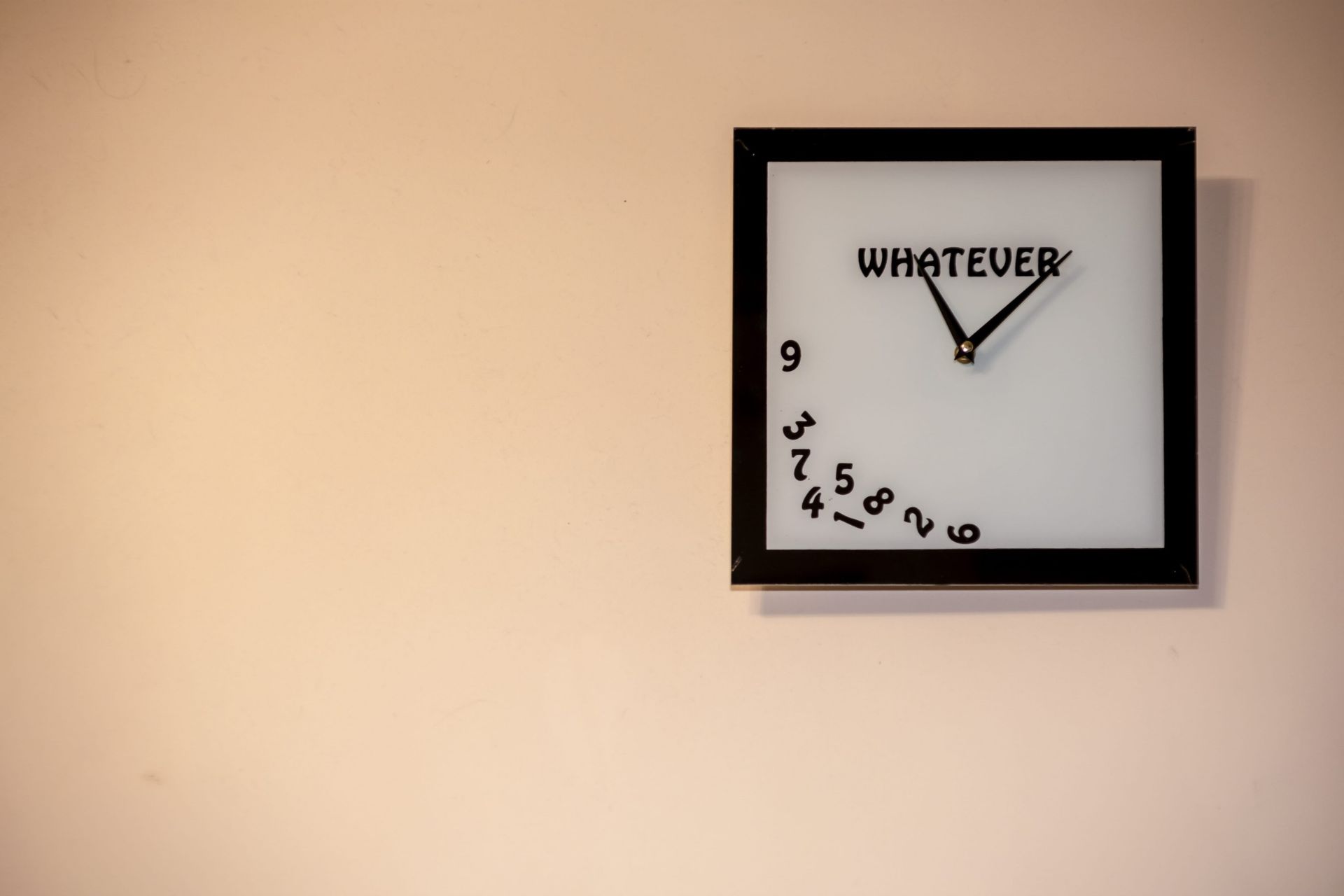
Brushed metal and brass finishes continue to feature, along with matte black for a more restrained sophistication. Sculptural minimalism is another direction, with asymmetrical edges, floating dials and no numbers at all.
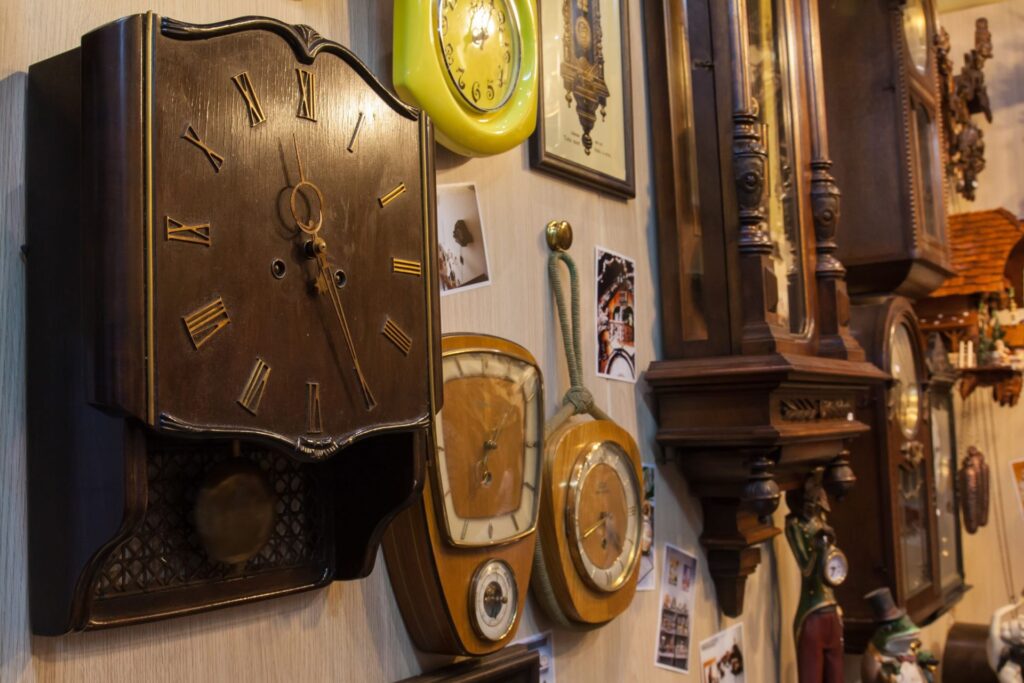
Industrial character
Bold numerals, metal cases and high contrast dials suit kitchens and open plan living spaces, where industrial inspired designs give a room some personality. Retailers describe this as part of a move away from overly polished interiors and toward spaces with character.
The mantel clock returns
Smaller clocks are being used as sculptural objects. Mantel clocks in warm whites, earthy browns and muted blues are showing up on shelves, sideboards and fireplaces rather than being tucked away. Design forward alarm clocks are also making a comeback, which suits the broader interest in analogue objects in a screen heavy world.
Think about sound
Silent sweep movements, which remove the ticking sound, are increasingly popular, in line with a broader interest in acoustic comfort at home. A ticking clock does have fans who find the sound nostalgic, so it comes down to personal taste. In a bedroom or a home office, silence is often the safer choice.
Placement tips
Treat a statement clock the way you would a piece of art. Give it a prominent, uncrowded wall rather than surrounding it with clutter.
Contrast helps, so a round clock looks dynamic above a rectangular mantel, and an arched top suits traditional rooms. Hallways and entrances are a good place for a clock with character, since it sets the tone as visitors arrive.
Buy a clock you like looking at more than one you have been told is on trend. The best ones outlast the trend articles that praise them.