GIB prices drop but construction cost pressure remains

Construction costs have edged higher again, even though the price of GIB and some other commonly used materials has come down.
QV CostBuilder’s latest update shows trade rates rose by an average of 0.2% in September, with a wide spread of individual product movements pulling costs in different directions.
GIB falls, other lines rise
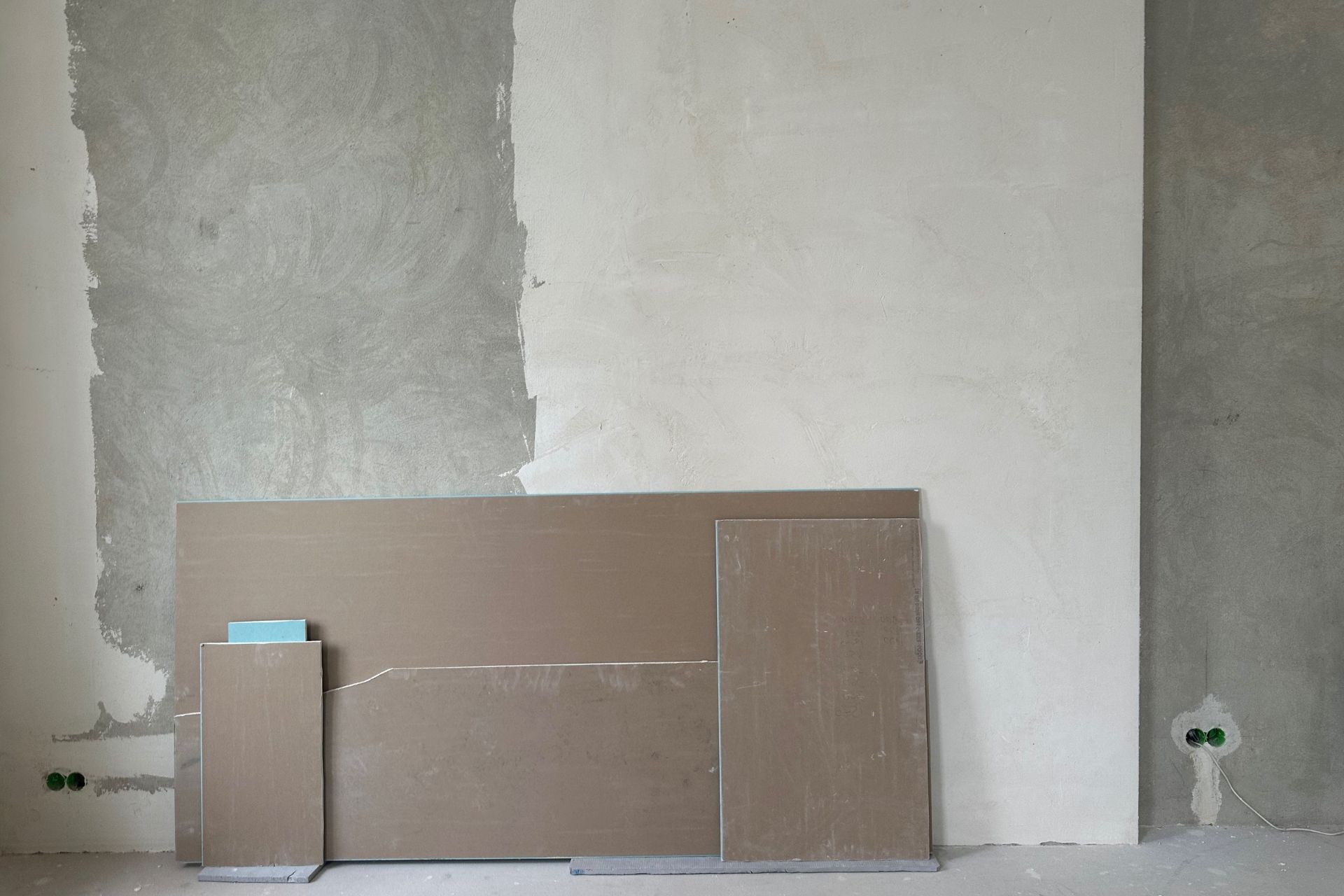
The cost of plasterboard linings fell by 0.4%, driven by a 1.9% average reduction in GIB products. Plumbing and waterproofing moved the other way, increasing by 0.8% and 1.6% respectively.
QV CostBuilder quantity surveyor Martin Bisset says the update paints a mixed picture. “GIB is one of those products that almost everyone knows because it’s used so widely in construction, so a price reduction there is welcome news,” he says.
“But this month is also a good reminder that construction costs almost never move neatly in one direction. While some products have come back, plenty of others are still getting more expensive.”
The September update applied almost 11,000 current material prices to the CostBuilder database, resulting in 9,500 changes across Auckland, Hamilton, Palmerston North, Wellington, Christchurch and Dunedin.
Timber leads the increases
Timber was a notable source of upward pressure. Structural timber rose by an average of 4.4% across the six centres, timber joists increased by 5.2% and interior and exterior grade plywood cladding rose by 5.6%.
Diesel prices increased by 2.3% in September, which was modest compared with some of the movements seen earlier this year. Bisset says there was no single dominant driver this month. “Rather than one dominant cost driver this month, as we’ve often seen with diesel this year, we’re seeing a lot of individual products moving at once, both up and down,” he says.
“Some of the bigger increases are in timber and related products, which are used right across residential construction. So even when something as familiar as GIB gets cheaper, that doesn’t necessarily mean the overall cost of building is coming down.”
Other notable increases included some formwork rates at 12.5%, fire retardant roof underlay and wall wrap at 12%, gas water heaters at 3% and reinforcing mesh at 2.6%.
Activity up, costs steady
Bisset says the broader picture is still one of relatively modest cost growth, even as activity picks up. Recent Stats NZ figures show construction activity rose by 2.7% in the June quarter, the largest quarterly increase since June 2023, with residential building contributing.
“We’re starting to see some improvement in construction activity, but that hasn’t translated into broad-based cost escalation,” he says.
“Cost pressures haven’t disappeared, but neither are they accelerating across the board. This month there are some genuine reductions mixed in with a fairly long list of increases.
“For anyone budgeting a project, that means it still pays to allow for movement rather than assume costs will stay exactly where they are.”
QV CostBuilder is described as New Zealand’s most comprehensive construction cost database. It covers building costs per square metre for warehouses, schools and offices as well as the supply and install cost of more than 10,000 items, labour rates and labour constants. It can be found at costbuilder.qv.co.nz.