Exotic statement plants take root

Sculptural cacti, tropical foliage and architectural species are being used like furniture — but will they actually thrive in your home?
Our native plants are iconic, beautiful and deserve to be celebrated. Yet a different trend is taking root inside New Zealand homes: the rise of exotic statement plants.
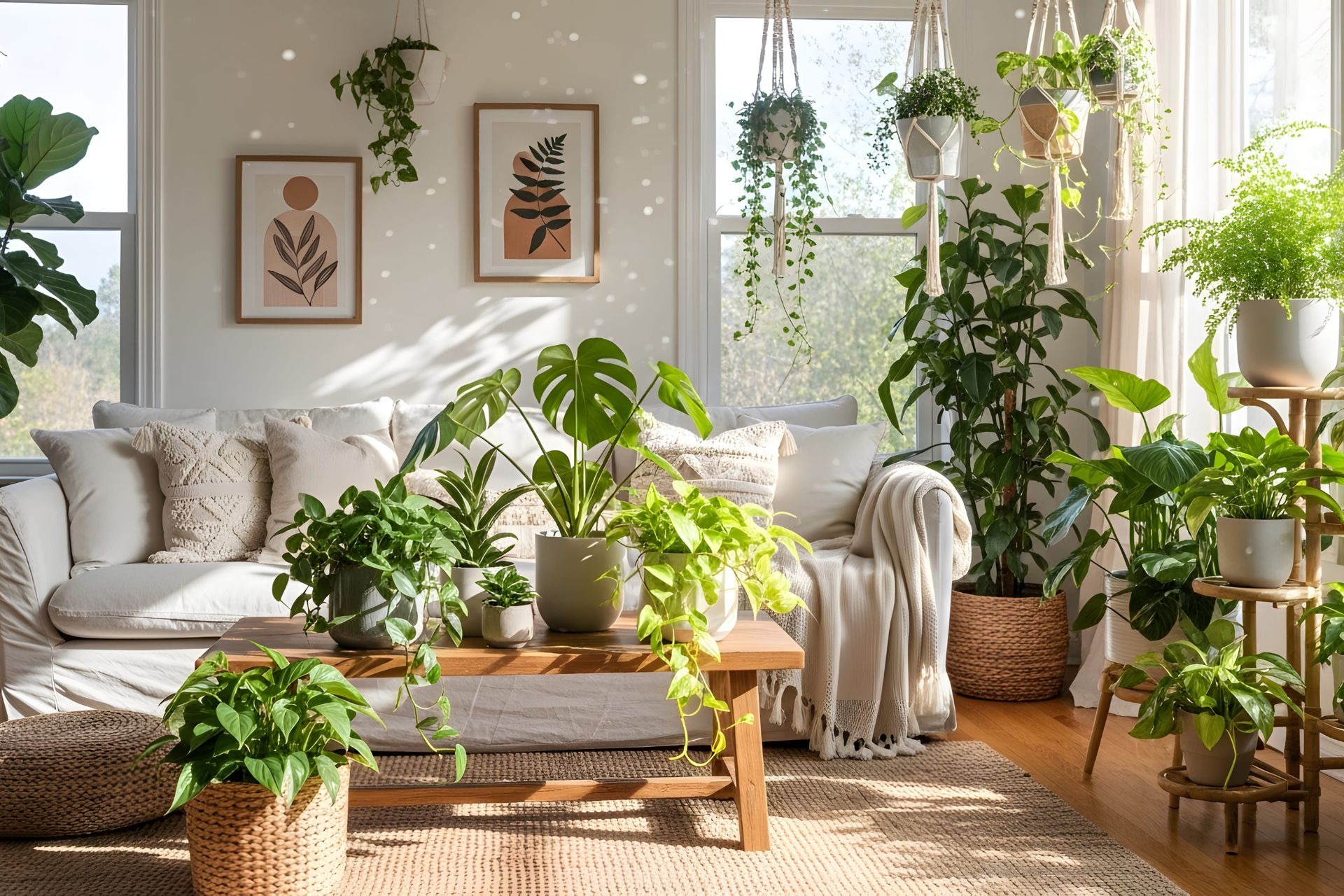
Sculptural cacti, tropical foliage and architectural species are being used almost like pieces of furniture, adding shape, texture and personality to renovated spaces. But are these overseas-inspired plants the right fit for your home?
Much of the appeal comes down to design. Modern homes often feature clean lines, natural materials and large open spaces, creating the perfect backdrop for a single dramatic plant. A carefully chosen specimen can soften hard surfaces, fill an empty corner or become a focal point in the same way as artwork, lighting or furniture.
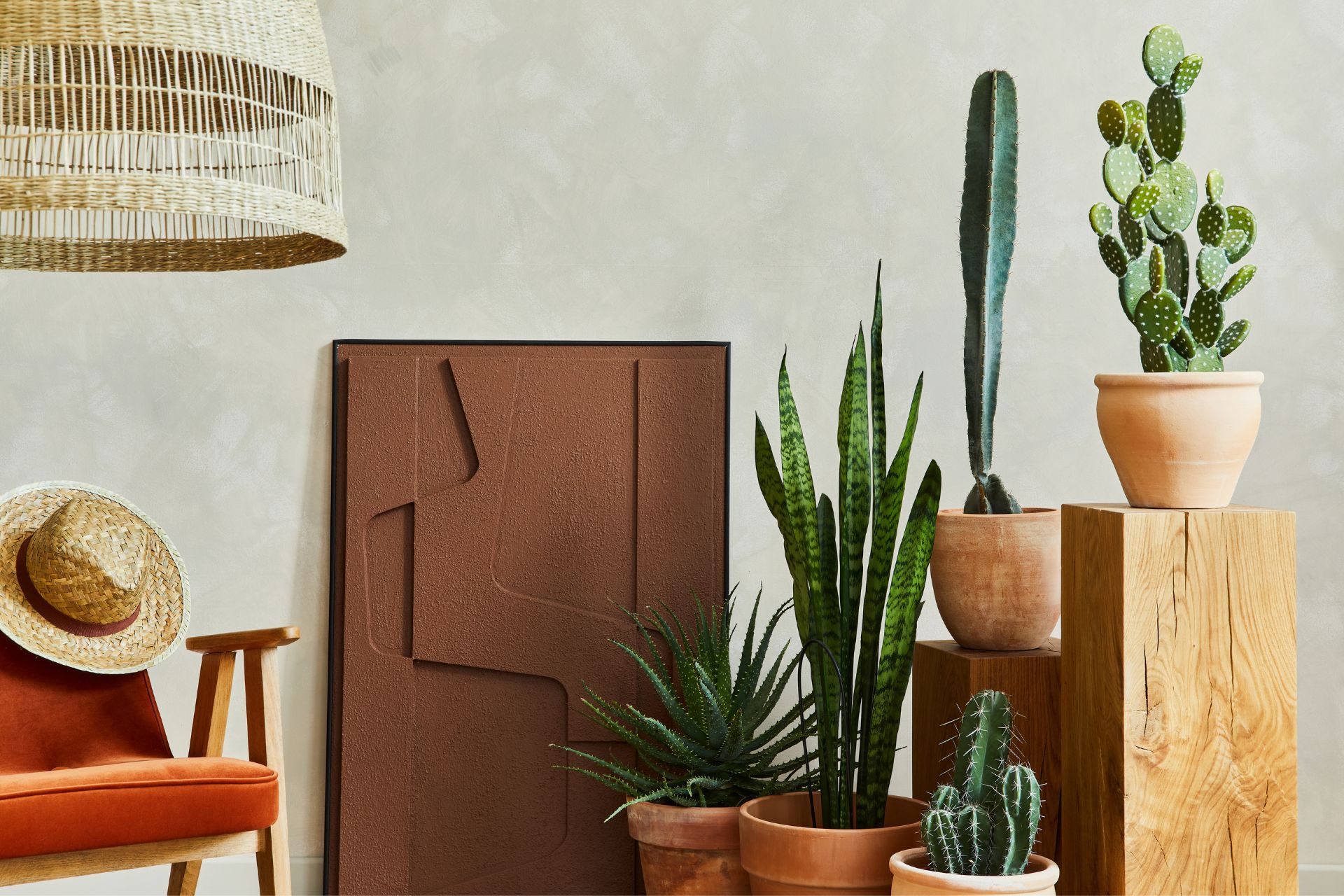
Cacti are among the most popular choices because they combine strong visual impact with low maintenance. A tall Cereus, branching Euphorbia or large barrel cactus brings sculptural form without demanding constant attention. Unlike some indoor plants that need regular watering, humidity control and careful positioning, many cacti thrive with minimal care, making them well suited to busy households.
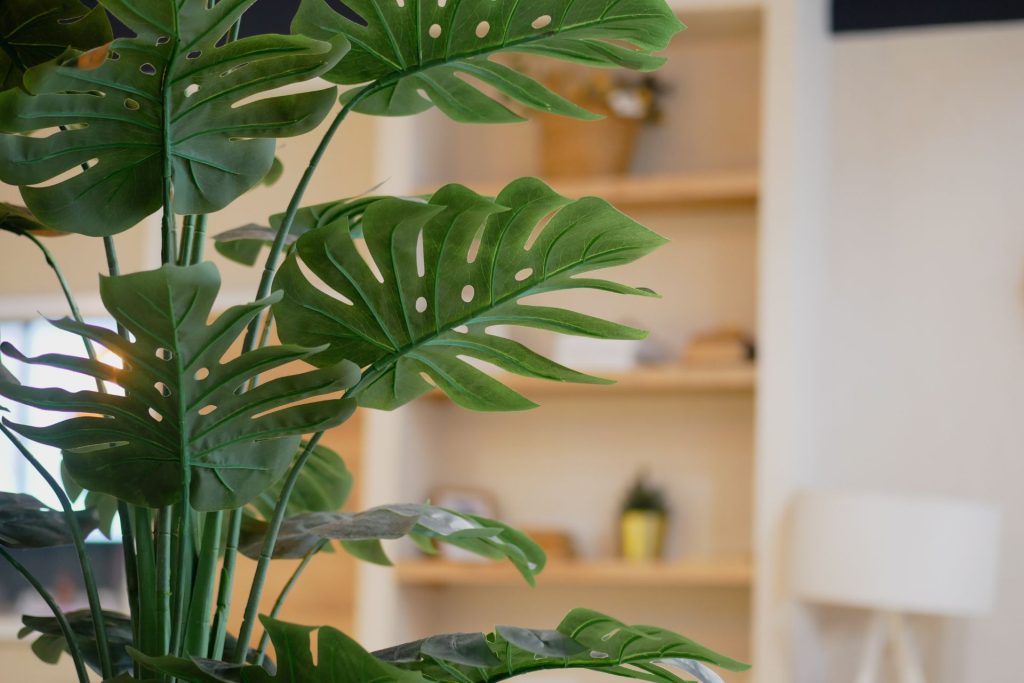
The same applies to other exotic statement plants. Bird of Paradise can bring a tropical feel to bright living areas, while fiddle-leaf figs and rubber plants add bold foliage and a sense of scale. Snake plants and hardy succulents offer architectural shapes while tolerating less-than-perfect conditions, making them practical choices for many renovated homes.
The biggest consideration is not the plant itself, but whether the conditions suit it. Many exotic indoor plants originate from warmer climates and need plenty of natural light.
In Kiwi homes, north-facing windows, glazed living spaces and indoor-outdoor connections can provide ideal conditions. Dark corners and poorly lit rooms, however, may leave even the most fashionable plant struggling.
Placement also matters. A statement plant should have room to breathe and be positioned where its shape can be appreciated.
Entryways, living room corners, spaces beside large windows and areas near staircases are often effective locations. High-traffic areas should be avoided, particularly for spiky varieties where daily contact can quickly become frustrating.
The planter is part of the design too. A large plant in a quality ceramic, terracotta or concrete pot feels intentional and helps connect the greenery with the wider interior palette. The right container can complement timber, stone, neutral finishes or more colourful design choices.
There are also practical considerations for our nation’s homes. Older villas and character houses can be cooler and draughtier, which often suits hardy species such as cacti and succulents. Renovations that improve insulation, heating and glazing can create warmer, more stable indoor environments, allowing homeowners to experiment with a wider range of tropical plants.
While exotic statement plants may not replace the importance of native planting outdoors, they offer another way to bring nature into the home. The best choices are not simply the trendiest varieties, but plants that suit the light, layout and lifestyle of the people living with them. One well-placed specimen can transform a room far more effectively than a collection of forgotten pots scattered throughout the house.