How to upgrade your insulation

Many older homes in New Zealand don’t have enough insulation to meet modern standards. Houses built before this decade, often lose heat through the ceiling, floor, and walls. Poor insulation makes homes cold in winter and damp all year. This leads to high power bills, lower comfort levels and respiratory conditions such as asthma.
Improving insulation is one of the most effective upgrades you can make to an existing home without a major renovation. Several insulation types are available in New Zealand. Each option has different benefits, costs, and installation methods. Some can be fitted as a DIY project, while need a professional installer.
Why insulation matters for health and energy use
Cold homes are linked to respiratory illness, asthma, and mould growth. Research from Asthma New Zealand and the Ministry of Health shows that warmer homes lead to better health outcomes. Good insulation helps keep indoor temperatures stable. It also reduces condensation and dampness.
Better insulation also lowers heating costs. According to the Energy Efficiency and Conservation Authority a well-insulated home needs less power to stay warm. Heat stays inside for longer, reducing the need for heating.
Many older homes don’t meet current building standards. The New Zealand Building Code now requires higher insulation levels than in the past. Homes built before these rules often have thin ceiling batts or none at all. Wall insulation is also missing in many houses built before the late 1970s.
Glass wool insulation
Glass wool is one of the most common insulation types in New Zealand. It is made from spun glass fibres. Pink Batts is the best-known brand, yet several manufacturers produce similar products.
Glass wool is usually sold in batts or rolls. It is designed to fit between ceiling joists and wall framing. This type of insulation is affordable and widely available. It provides good thermal performance when installed correctly.
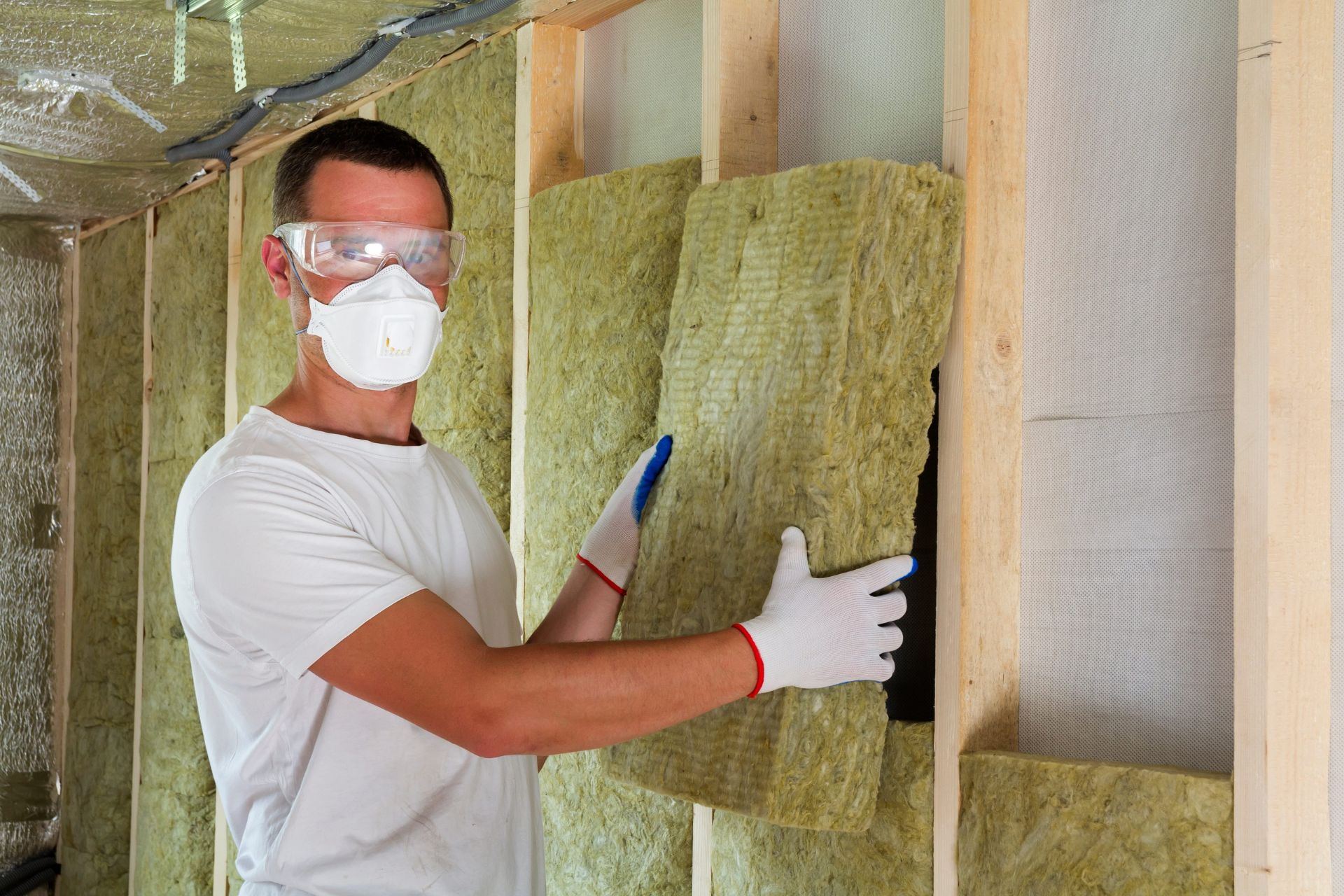
Glass wool can be installed as a DIY project in accessible ceiling spaces. Protective clothing is important because the fibres can irritate skin and lungs. Gaps and compression reduce performance, so careful fitting is essential.
Polyester insulation
Polyester insulation is made from recycled plastic fibres. It feels soft and does not itch like glass wool. This makes it popular for DIY projects. It’s often sold in batts that fit standard framing sizes.
Polyester holds its shape well and does not absorb moisture easily. It is safe to handle without special clothing, yet a mask is still recommended in dusty ceiling spaces. The cost is higher than glass wool, yet many homeowners prefer it for comfort during installation.
Wool insulation
Wool insulation is made from natural sheep’s wool. It is renewable and biodegradable. It can absorb and release moisture without losing performance. This helps control condensation inside the home.
Wool insulation is often used in eco builds, yet it can also be fitted in existing homes. It is usually supplied in batts or rolls. Installation is similar to polyester insulation. The main drawback is price. Wool insulation costs more than most other options.
Blown and injected wall insulation
Many older New Zealand homes have no insulation in the walls. Adding insulation to existing walls is possible without removing the lining. Installers can drill small holes in the exterior cladding or interior lining. Insulation is then blown or injected into the wall cavity.
Common materials include loose glass fibre, cellulose fibre, and foam products. This method improves warmth and reduces drafts. It must be done by trained installers. Incorrect installation can trap moisture inside the wall.
Wall insulation can make a noticeable difference in older timber homes. It helps reduce heat loss and makes rooms easier to heat.
Underfloor and ceiling insulation options
While a lot of heat is lost through walls and windows, adding underfloor and ceiling insulation is a more cost effective and less time-consuming way to add warmth to your home.
Homes with raised timber floors can usually be insulated from underneath. Ceiling insulation can be fitted between the ceiling joists. Many homes allow for DIY installation if the space is accessible. It’s important to wear protective clothing, gloves, and a mask when handling fibrous insulation. Avoid compressing the batts, and keep insulation away from recessed light fittings unless they are rated for insulation contact. Proper ceiling insulation helps keep heat inside during winter and makes homes cooler in summer.
Common products include glass wool, polyester, and rigid foam panels. Underfloor insulation is often suitable for DIY installation if there is safe access. The insulation must be
secured properly so it does not sag. A ground moisture barrier is also recommended. This plastic sheet covers the soil under the house and reduces damp air.
Building Code and healthy homes standards
The New Zealand Building Code H1 Energy Efficiency clause has called for higher insulation since November 2021. New homes must meet stricter R-value requirements for ceilings, walls, and floors. These rules aim to improve comfort and reduce energy use.
Rental properties must also meet the Healthy Homes Standards, established in July 2025. These rules require ceiling and underfloor insulation where it can be installed. Many older houses still fall below these levels. Upgrading insulation helps bring homes closer to modern expectations.
DIY insulation tips
Some insulation jobs can be done by homeowners. Ceiling and underfloor insulation are the most common DIY projects. Safety should always come first. Wear a mask, gloves, and eye protection in dusty spaces.
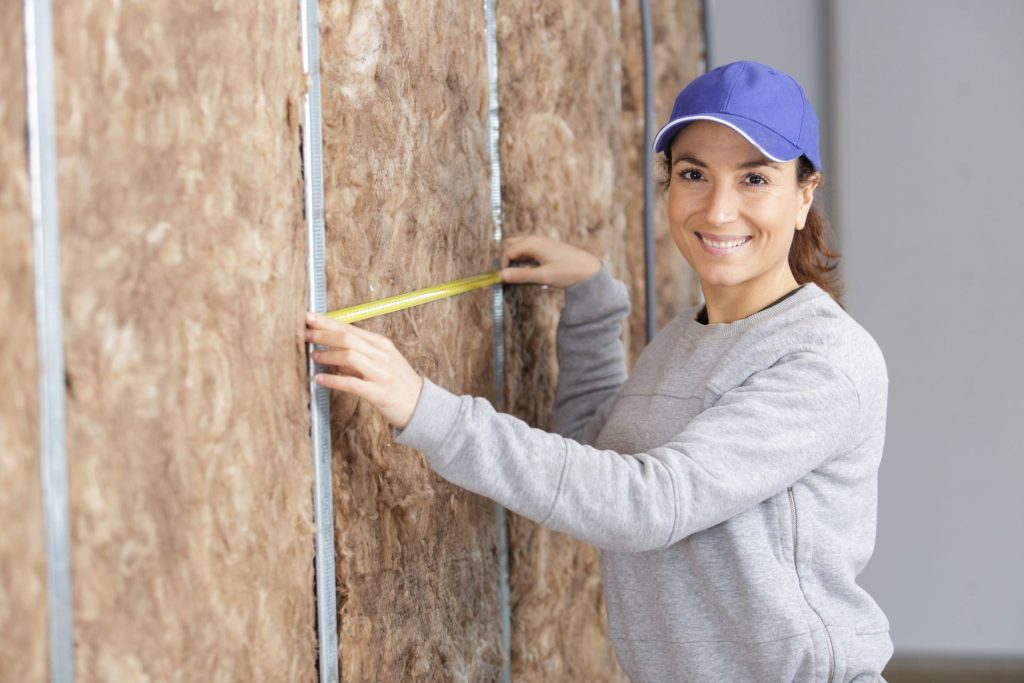
Measure carefully before buying insulation. Batts should fit snugly without being forced. Leave space around downlights unless the fittings are rated for insulation contact. Never block ventilation openings in the roof space.
Wall insulation and spray foam should be left to professionals. These jobs need special equipment and experience.
A warmer and healthier home
Adding insulation to an existing home is one of the best ways to improve comfort. It helps keep the house warm in winter and cooler in summer. It can also reduce mould and dampness.
Older New Zealand homes were not built to modern standards. Upgrading insulation brings them closer to current expectations for healthy living. With the right materials and careful installation, even small improvements can make a noticeable difference.