Listen first, design second

Great design begins with understanding people. For Christchurch-based architectural designer Barry Connor, every project starts by listening: to the client, the site and the way a family truly lives.
The Barry Connor Design approach
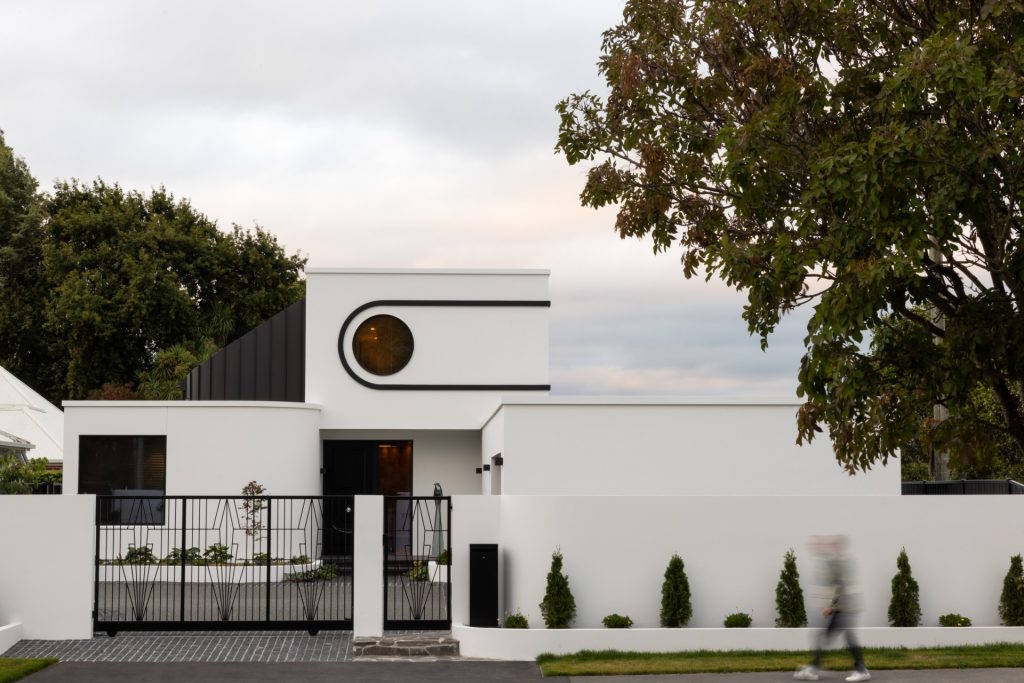
Barry Connor Design is a Christchurch-based architectural design practice focused on creating homes that are thoughtful, practical and deeply connected to the people who live in them.
Led by Barry Connor, the studio takes a holistic approach that considers architecture, interiors, site conditions and long-term performance as part of a single design conversation.
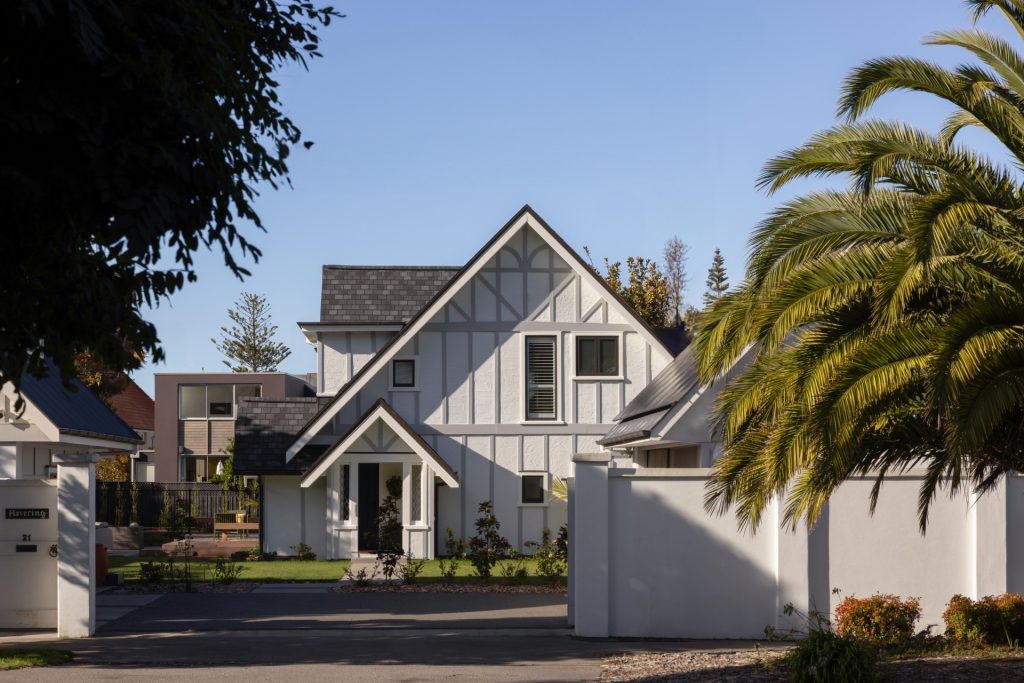
Rather than pursuing a signature look, each project is shaped by its location, the clients’ lifestyle and the realities of budget and construction, resulting in homes that are timeless, functional and tailored to everyday living.
What makes a great interior designer?
The best designers listen first and design second. They get under the skin of how a client actually lives — not how they think they live, or how Instagram says they should — and let that drive every decision. Beyond that, technical literacy matters: understanding how rooms connect, how light moves through a space across a day, how materials wear, how something will read in five years rather than just at the photoshoot. A great interior feels inevitable to the people who live in it, and that only happens when the designer puts their ego second.
How are New Zealand interiors special?
A few things. The strong connection to landscape — we tend to design from the outside in here, because the views, the light and the orientation are usually too good to ignore. There’s also a relaxed, unfussy quality that traces back to the bach tradition; honest materials like timber, stone and natural fibres feature heavily, and rooms are designed for actual living rather than for show. Post-earthquake Christchurch has pushed designers to think harder about resilience, performance and healthy homes — warmth, ventilation, light — and that’s filtered through into how interiors are detailed across the country.
What central values guide your work?
Three, really. First, listening — every project starts with understanding the people, the site and the budget, in that order. Second, form and function in genuine balance; a beautiful space that doesn’t
work for daily life is a failure, and a functional space without warmth is just as much of one. Third, sustainability and performance. Every home I design is oriented around the sun and detailed with energy efficiency in mind, even on a modest budget; that mindset feeds directly into the interior decisions, too. How a space is lit, ventilated and heated has as much to do with how it feels as the finishes do.
How would you describe your interior design style?
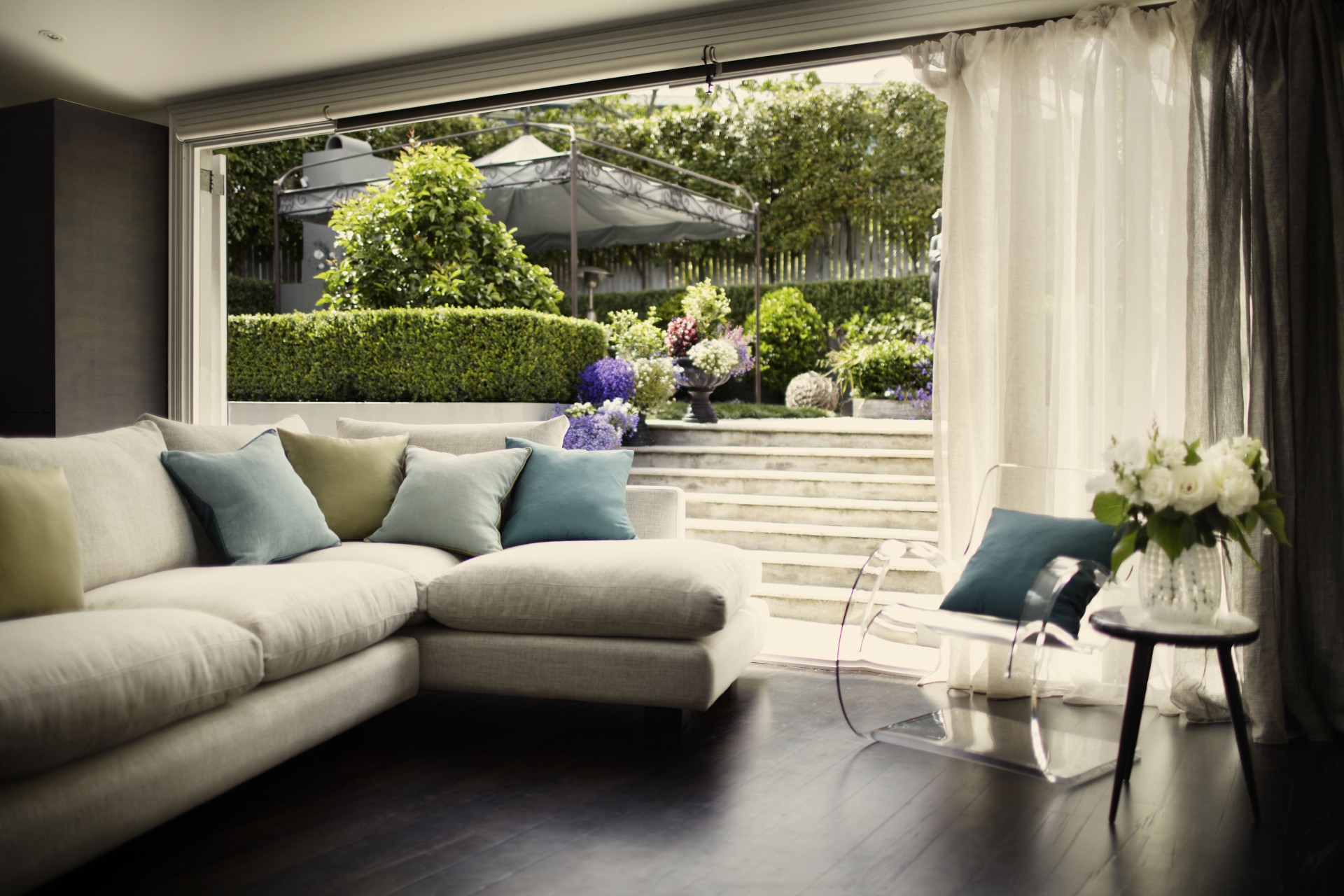
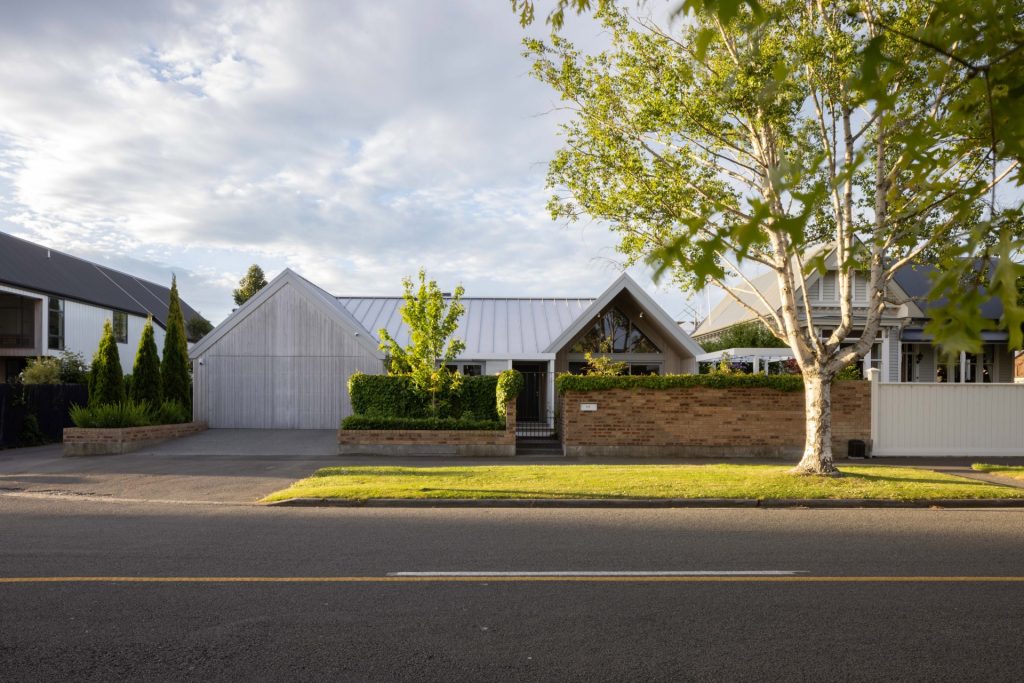
Pared back, honest, and tailored to the home and its owners rather than to a trend. I lean toward natural materials — timber, stone, neutral palettes — with carefully chosen moments of texture or contrast rather than visual noise. Because the interior work grows out of the architecture, the goal is for the inside and outside of a home to feel like one continuous idea rather than two separate exercises.
How do designers develop a strong and recognisable style?
By doing the work, honestly. You develop a style by designing a lot of homes, paying attention to what’s actually working for clients once they move in, and being honest with yourself about which decisions you’d repeat and which you’d change. Travel helps. Looking at architecture and design outside your usual reference points helps. But mostly it’s repetition combined with self-criticism — and being prepared to let your style evolve rather than locking it down too early.
How can everyday Kiwis elevate their interiors?
The cheapest interior upgrade most people overlook is light — both natural and artificial. Repositioning a doorway, enlarging a window, or just adding warm layered lighting rather than relying on a single ceiling downlight transforms how a room feels for very little money. Beyond that: declutter ruthlessly, paint trims and walls in the same tone to make rooms feel calmer and larger, invest in one or two well-made anchor pieces rather than lots of cheap furniture, and bring some greenery in. None of that requires a designer or a big budget.
What advice would you give to emerging interior designers?
Get on site. Spend time with builders, joiners, electricians and the trades who actually bring your designs to life — you’ll learn more in a week on a building site than in a year behind a screen. Be useful before you’re stylish. Clients will trust you with bigger creative decisions once they trust you to manage a project, communicate clearly and respect their budget. And don’t be precious — the best designers I know are the ones who can take feedback, change direction, and still deliver something better than the original idea.
Where do you see the future of interior design in New Zealand heading?
Two strong directions. One is performance — healthier, warmer, more energy-efficient homes are no longer a premium feature, they’re an expectation, and that’s quietly changing how interiors are detailed (continuous insulation, ventilation systems, thermally broken joinery, the way ceilings and bulkheads are designed around all of it). The other is a continued move away from showroom-style perfection toward interiors that feel personal and lived-in. Kiwis are getting more confident about expressing themselves at home rather than copying what they see online, and I think that’s a genuinely good thing for the industry.