Do I have to obey the rule of odds?

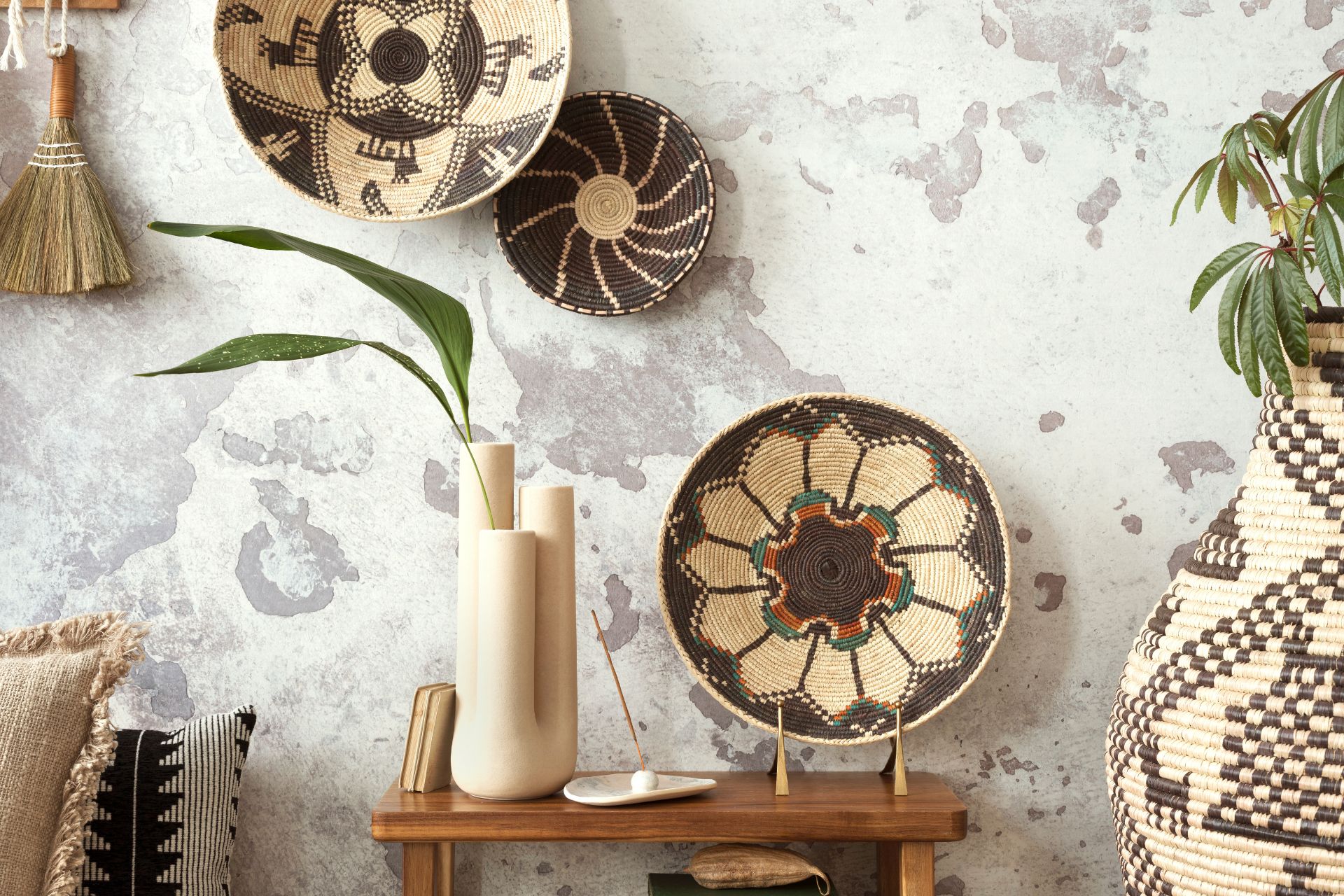
Seven candles, three vases of varying height, five small framed prints leaning against a wall. One of the oldest rules in the interior design book is the rule of odds. The design convention that odd-numbered groupings of objects are more visually appealing than even ones is prevalent in nearly every styling guide and renovation show. Sometimes it’s treated like something close to law, less as a suggestion.
This rule didn’t emerge from nothing. Groups of three, five or seven tend to force a natural hierarchy. One item seems bigger or more prominent and the others support it, which the eye reads as more dynamic than an even grouping. In contrast, objects often end up matched in size and spaced with mechanical symmetry that can feel static or overly formal.
A pair of identical lamps on a console table looks deliberate and calm; three objects of different heights on the same table looks curated and alive. Interior designers lean on the rule for exactly this reason, it’s a reliable shortcut to a look that reads as considered rather than accidental.
But the honest answer is no, you don’t have to obey it, and plenty of well-designed rooms don’t. The rule of odds is a starting heuristic for small tabletop and shelf styling. It needn’t govern your entire design approach, though. Furniture layouts, architectural features and symmetrical spaces often benefit from deliberate evenness and symmetry precisely because balance and calm are the goal, not visual tension.
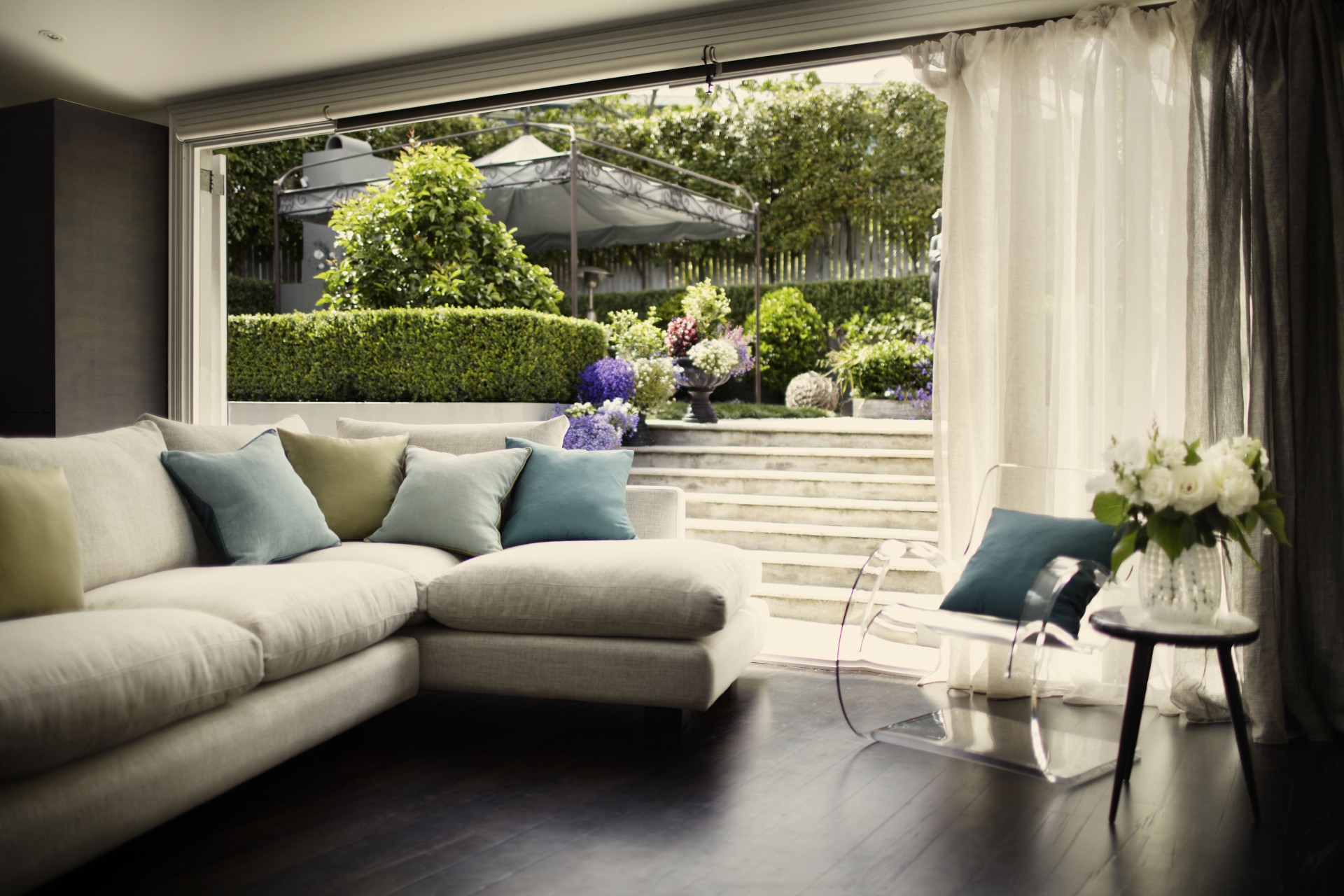
Consider a formal dining room, a fireplace flanked by matching armchairs or a bed with matching nightstands and lamps on either side. Forcing an odd number of cushions onto a symmetrical sofa, or an odd number of dining chairs around a rectangular table, can look a bit try-hard.
The rule of odds is reputable thanks to its impact with small details. Think of a mantelpiece, a bookshelf, a console table, or a cluster of framed photos on a wall. These are exactly the spots where an odd grouping, varied in height and slightly asymmetrical in arrangement, creates the sense of a room that’s been lived in.
Even here, the rule works best as a rough guide rather than an exact count. A cluttered arrangement of nine small objects reads as messy regardless of the number being odd, while two well-chosen, well-scaled objects can look more intentional than three mediocre ones.
The better mindset, for anyone renovating or restyling a room, is to treat the rule of odds as one tool among several rather than a test to pass. Trust your design eye. If a grouping looks balanced and feels right in the room, the number of items in it matters far less than whether the scale, colour and spacing actually work together. Rules like this exist to speed up decision-making for people without design training, not to replace the judgement of someone standing in the actual room.