Design ideas for compact spaces

Small homes demand a different kind of thinking. When space is limited, every decision matters more, from layout to storage to the furniture you choose. The goal is not to make a small space feel bigger in a superficial way, but to make it work better. With the right approach, compact homes can feel efficient, comfortable and surprisingly generous.
Start with how you actually live
Before adding storage or buying new furniture, take a step back and look at how you use your space day to day. Which areas feel cramped? Where does clutter build up? What do you reach for most often?
Designing around real habits leads to smarter solutions. There is little value in adding storage that is awkward to access or furniture that looks good but does not suit your routine.
Use vertical space
One of the most underused areas in small homes is vertical space. Walls offer valuable storage potential without taking up floor area.
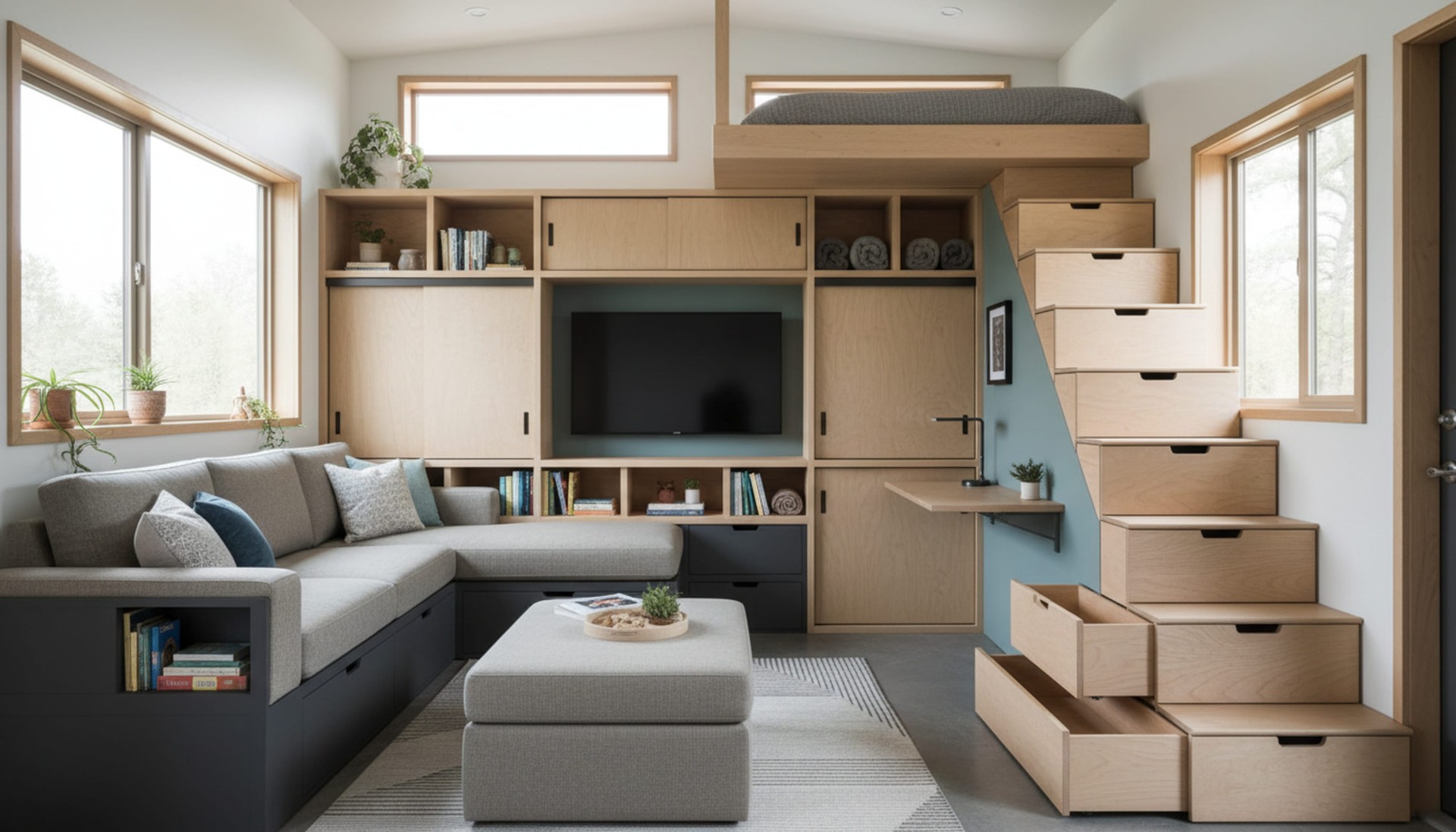
Floor-to-ceiling shelving, tall cabinetry and wall-mounted storage can significantly increase capacity. In living areas, this might mean a full-height bookcase or media unit. In kitchens, extending cabinetry upwards can create room for less frequently used items.
Hooks, rails and wall systems are also useful in spaces like kitchens, laundries and entryways, where everyday items need to be within easy reach.
Choose multi-purpose furniture
In smaller homes, furniture needs to earn its place. Multi-functional pieces are key.
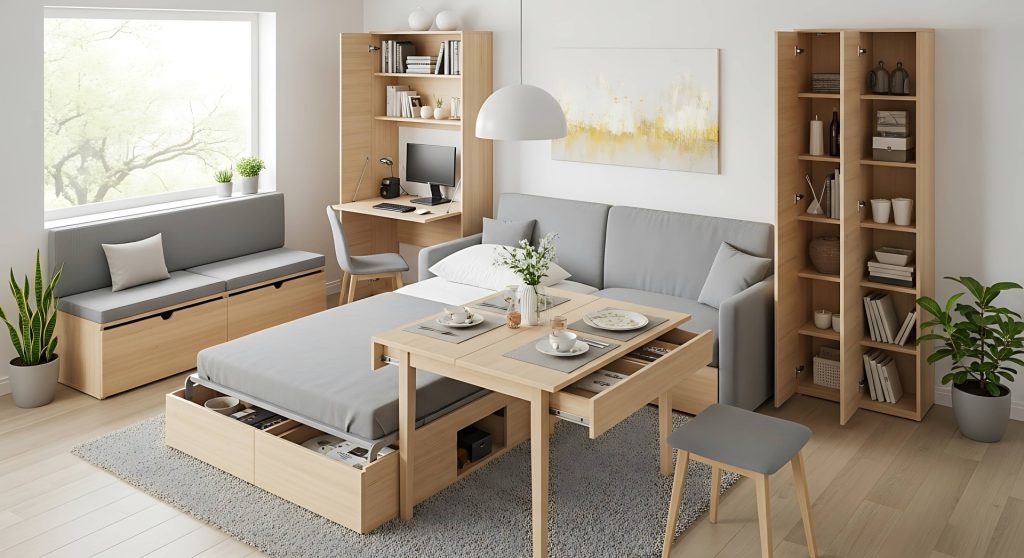
Look for options such as ottomans with hidden storage, beds with built-in drawers, extendable dining tables or sofas that can double as guest beds. Nesting tables and fold-out desks are also practical choices for flexible living.
Built-in furniture is another effective solution. Custom joinery can combine seating, storage and display into one cohesive design, making better use of every centimetre.
Create zones
Open-plan layouts are common in smaller homes, but without clear zones, spaces can quickly feel cluttered.
Use furniture placement, rugs or lighting to define different areas. A rug can anchor a living space, while a pendant light can visually separate a dining zone. Even subtle changes in material or colour can help create distinction without closing off the room.
Be strategic with storage
Good storage is not just about quantity, but accessibility. Frequently used items should be easy to reach, while less-used items can be stored higher or further back.
Drawer dividers, pull-out shelves and storage baskets help keep things organised and visible. In wardrobes, double hanging rails or adjustable shelving can maximise capacity.
Hidden storage also plays a role. Under-bed space, window seats with storage and built-in cabinetry can all help reduce visual clutter.
Keep surfaces clear
Clutter tends to gather on visible surfaces such as benchtops, coffee tables and bedside tables. Keeping these areas clear has an immediate impact on how spacious a home feels.
This does not mean removing personality, but being selective. A few well-chosen objects will have more impact than many smaller items competing for attention.
Light, colour and reflection
While layout and storage are the foundation, visual choices still matter. Lighter colour palettes can help reflect light, while mirrors can create a sense of depth.
That said, small spaces do not need to be entirely neutral. Deeper tones can work well when balanced with good lighting and thoughtful placement.
The importance of editing
Perhaps the most important habit in a small home is regular editing. Over time, items accumulate, and even the best storage solutions can become overwhelmed.
Being intentional about what you keep ensures that your space continues to function well. If something is no longer used or needed, it is worth reconsidering whether it belongs in your home.
When storage is smart, furniture is functional, and mess is managed, even compact homes can feel calm and welcoming.
Rather than focusing on limitations, a smaller home encourages better design decisions. With the right approach, it can become a space that feels efficient, considered and entirely your own.