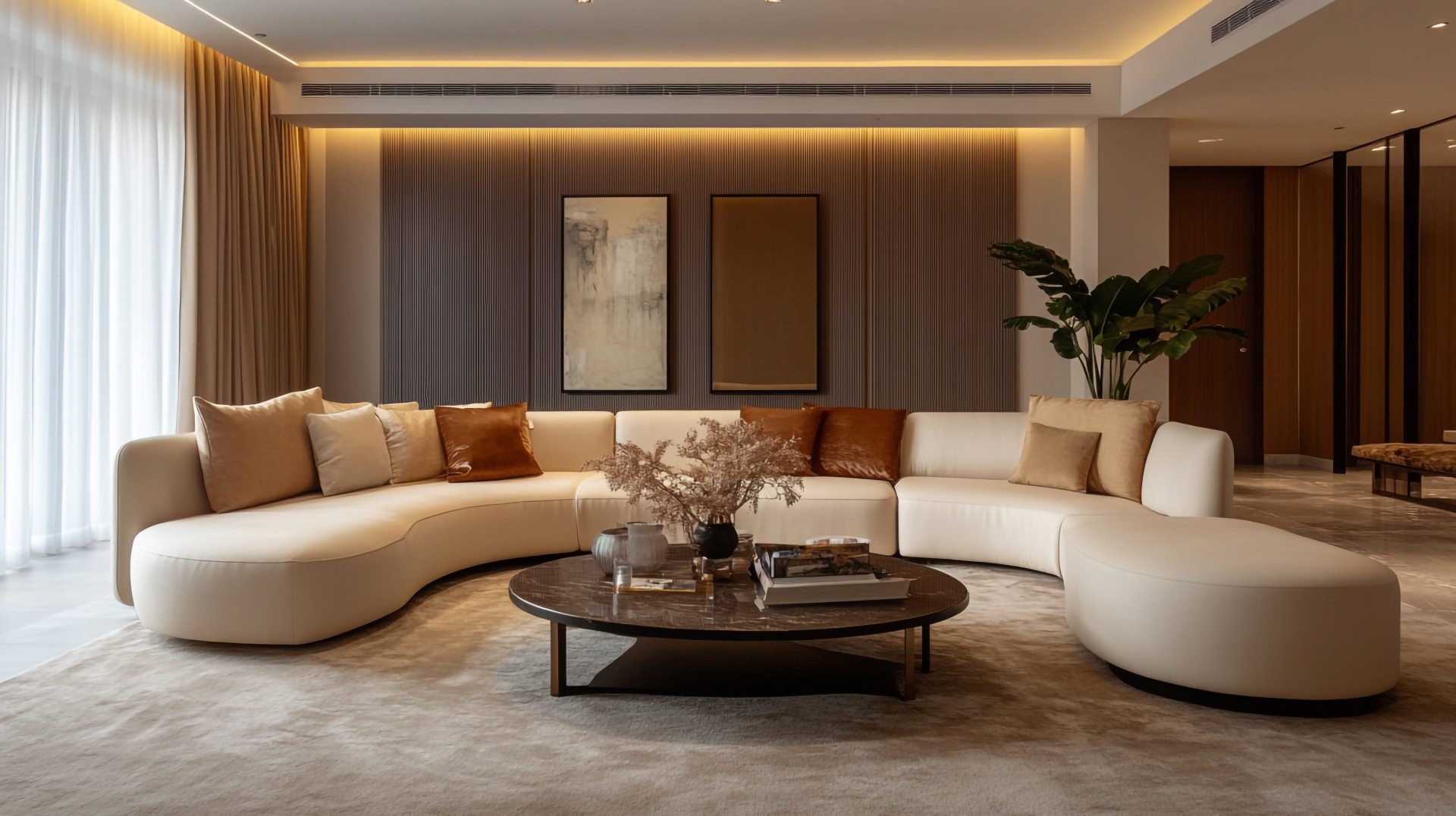
Design trends worth investing in

Design trends come and go quickly, but not all of them are superficial. Some reflect deeper shifts in how people want to live, making them worth investing in. The key is to separate what is purely aesthetic from what genuinely improves functionality, comfort and long-term value.
Here are the design trends that are proving their staying power and are worth considering for your next project.
Warm minimalism
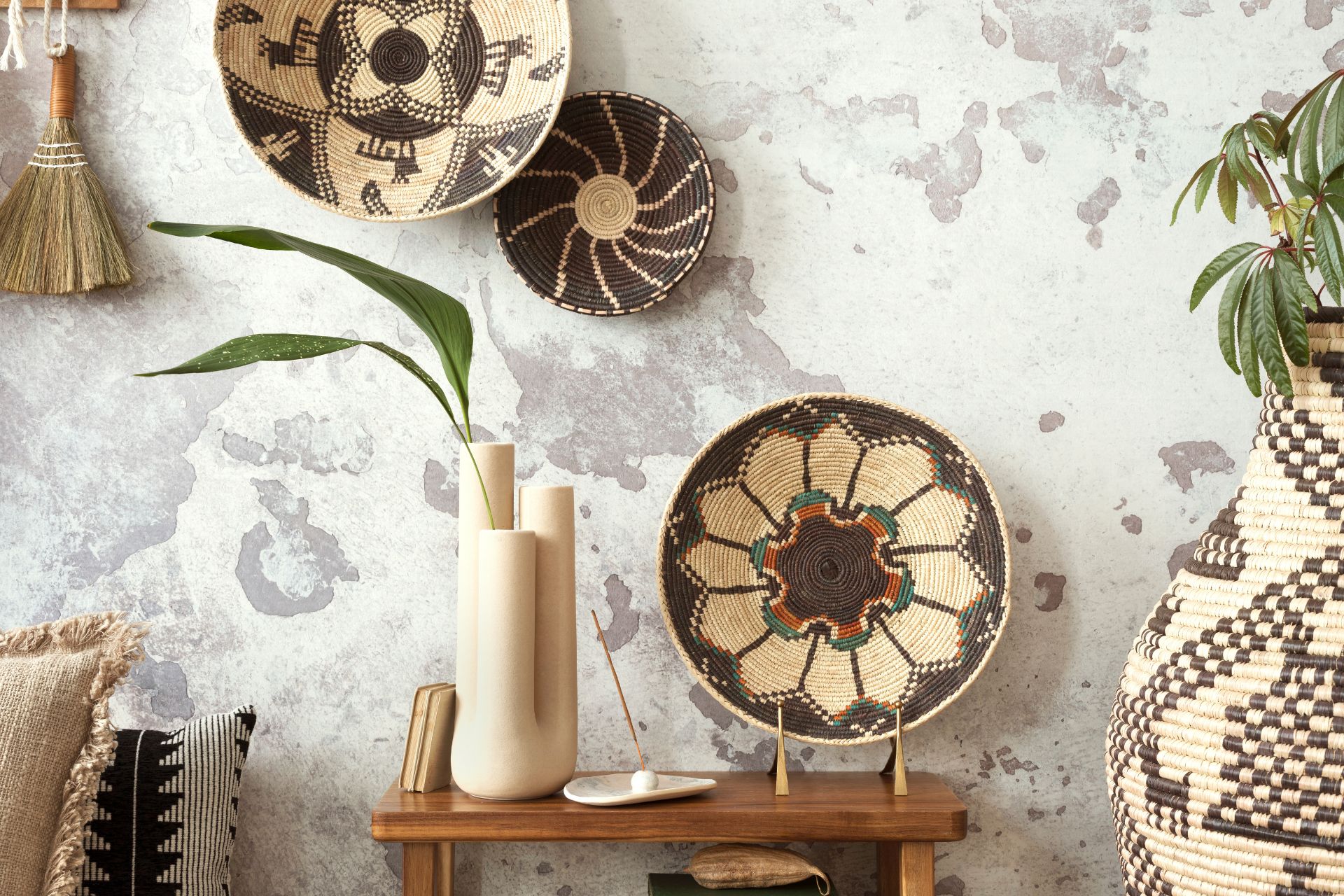
The era of stark, all-white interiors is fading. In its place, warm minimalism has emerged, combining clean lines with natural textures and softer colour palettes. Think timber, linen, stone and muted earth tones rather than cold greys and glossy finishes.
This trend is worth investing in because it is less likely to date quickly. Warm minimalism creates calm, liveable spaces that feel inviting rather than clinical. It also works well with both modern and traditional architecture, making it adaptable over time.
Multi-functional spaces
Living rooms double as workspaces, guest rooms become offices, and kitchens often function as social hubs. Designing for flexibility is no longer optional in many homes.
Investing in built-in joinery, sliding partitions, or adaptable furniture layouts adds long-term value. These solutions expand usability without requiring structural changes later, which makes them especially relevant in smaller homes or renovations.
Natural materials and tactile finishes
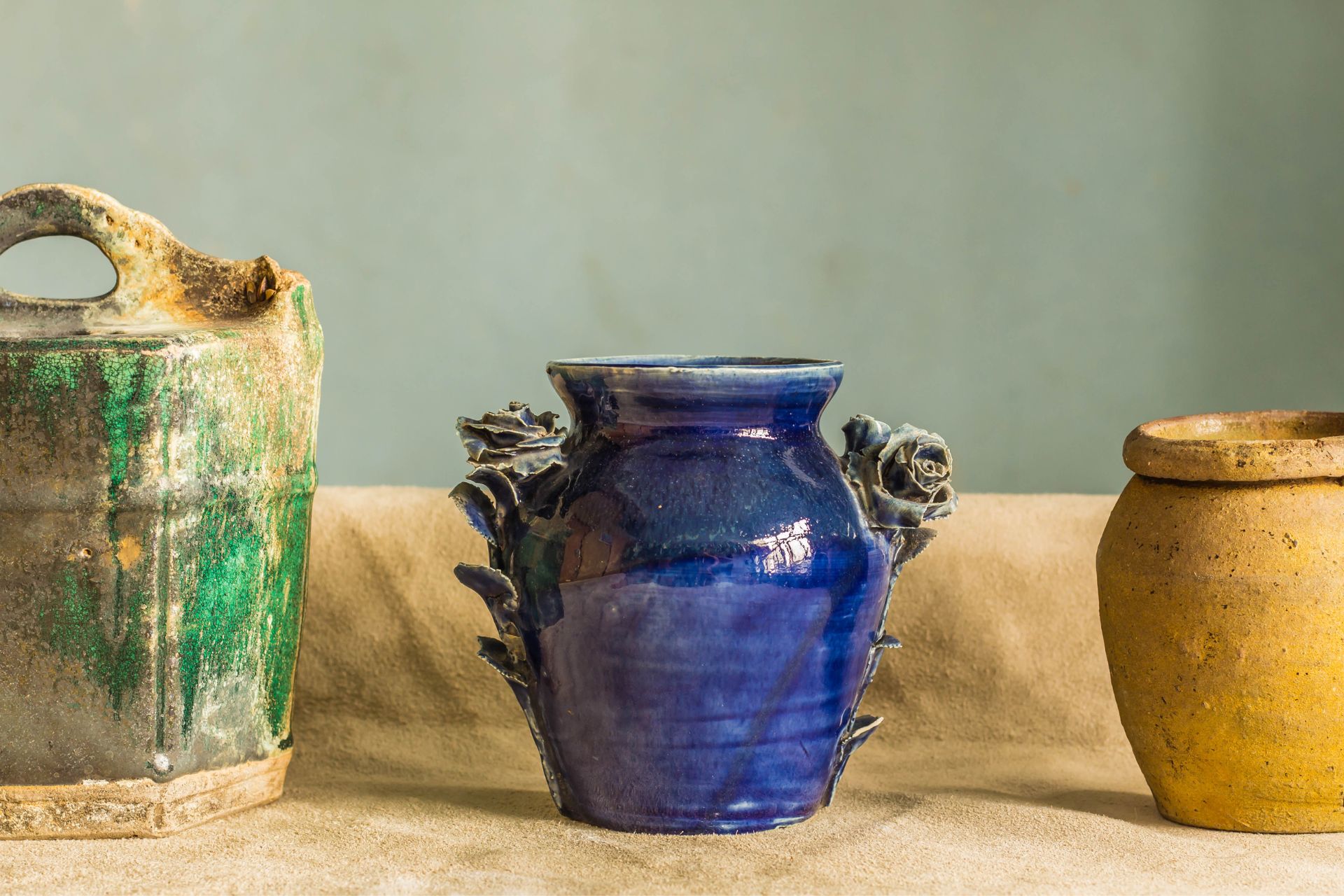
There is a clear shift towards materials that feel authentic and age well. Timber, natural stone, lime plaster and textured finishes are increasingly replacing synthetic alternatives.
Natural materials tend to be more expensive upfront, but they offer durability and longevity while adding to the sensory experience of a home, which is becoming an important part of modern design thinking. Rather than following a visual trend alone, this is about how a space feels to live in.
Indoor-outdoor connection
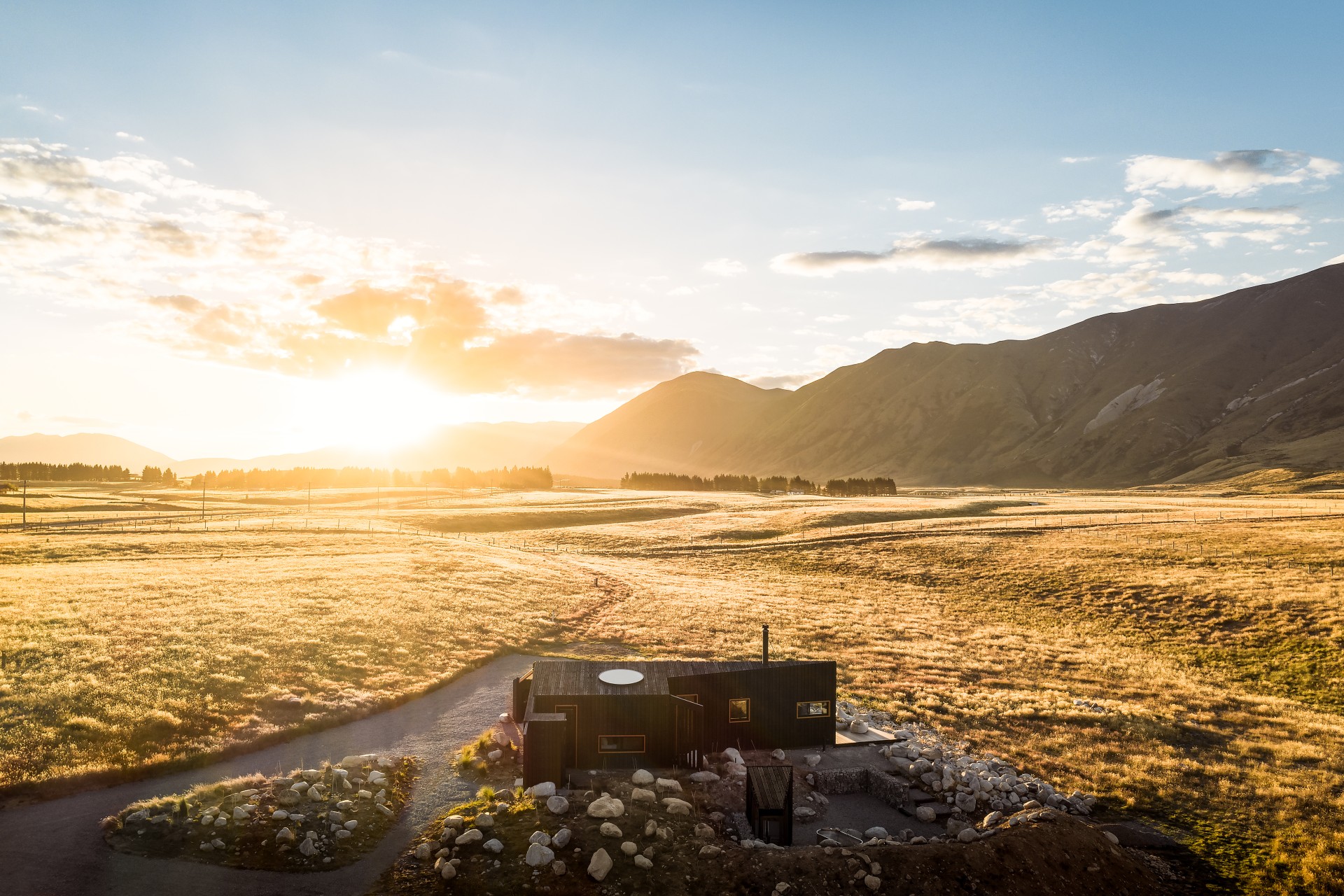
Blurring the line between inside and outside continues to be a strong design direction, particularly in New Zealand homes where outdoor living is a big part of everyday life.
Large sliding or stacking doors, covered outdoor areas, and consistent flooring transitions help create a seamless flow. Investing here can significantly improve lifestyle value and even increase resale appeal, especially in warmer regions.
Energy-efficient and future-proof design
Sustainability is no longer a niche consideration. It is becoming a baseline expectation. Homes designed with energy efficiency in mind are more comfortable to live in and cheaper to run.
Double glazing, improved insulation, passive heating strategies and energy-efficient appliances are all worth prioritising. While some of these choices may not be immediately visible, they have a long-term impact on both comfort and cost of living.
Soft, layered lighting
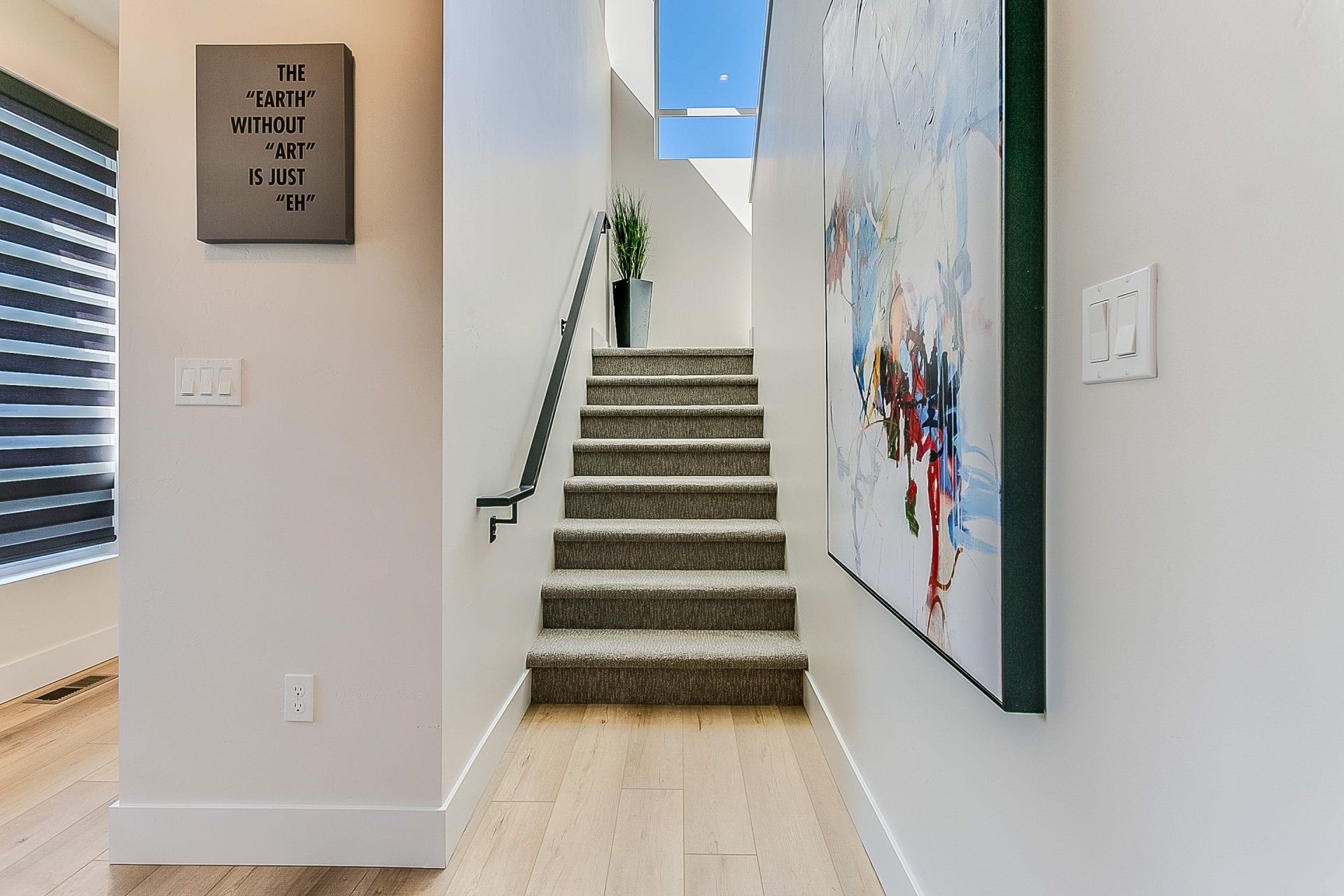
Lighting design is moving away from single overhead fixtures towards layered schemes. This includes a mix of ambient, task and accent lighting that can be adjusted throughout the day.
Investing in good lighting design improves how every other element in a space is experienced. It enhances materials, creates mood and increases functionality. It is one of the most cost-effective ways to elevate a renovation.
Curves and softened geometry
Straight lines are still important in architecture, but interiors are increasingly incorporating curves. Arched doorways, rounded furniture and softer silhouettes are becoming more common.
This trend works best in moderation. It adds visual interest and flow without overwhelming a space. Because it is rooted in form rather than decoration, it is less likely to feel dated quickly.
What is worth investing in?
Not every trend is worth the investment. Highly specific colour schemes, overly themed interiors or novelty finishes tend to age quickly. The same applies to overly complex design features that are difficult to maintain or update.
A good rule is to invest in structure, layout and materials first, then layer trend-driven elements through paint, furnishings and decor.
The most valuable design trends are the ones that improve how a home works, not just how it looks. Warm materials, flexible spaces, efficient systems and thoughtful lighting are not passing styles. They are long-term design strategies that continue to deliver value well beyond the initial renovation.