Elevated ceiling design

Ceilings are often referred to as the “fifth wall,” yet they are one of the most underused design surfaces in the home. Ceiling design is becoming a deliberate part of interior planning, rather than an afterthought. For homeowners renovating, it offers a powerful way to add character, depth and architectural interest without increasing floor space.
Why ceilings are getting more attention
As interior design shifts toward more immersive and considered spaces, designers are looking beyond walls and flooring. Ceilings naturally draw the eye upward, and when treated thoughtfully, they can completely change the perception of a room.
Recent design features highlight a growing interest in ceilings that contribute to mood, zoning and overall atmosphere. Rather than being left plain white by default, they are more widely considered a design element.
Colour on the ceiling
One of the simplest ways to introduce ceiling design is through colour. Painting the ceiling in a soft tone can create a sense of continuity, while deeper shades add drama and intimacy.
In bedrooms and living areas, darker ceiling colours create a cocooned feeling. In contrast, pale tones slightly lighter than the walls can lift a room and create subtle definition without overwhelming it.
A change in ceiling colour above a dining area in an open-plan space can visually separate it from a kitchen or living zone without the need for walls.
Architectural detailing and layering
Ceilings are increasingly used to introduce architectural interest. Features such as coffered panels, beams and recessed detailing add depth and structure to otherwise simple rooms.
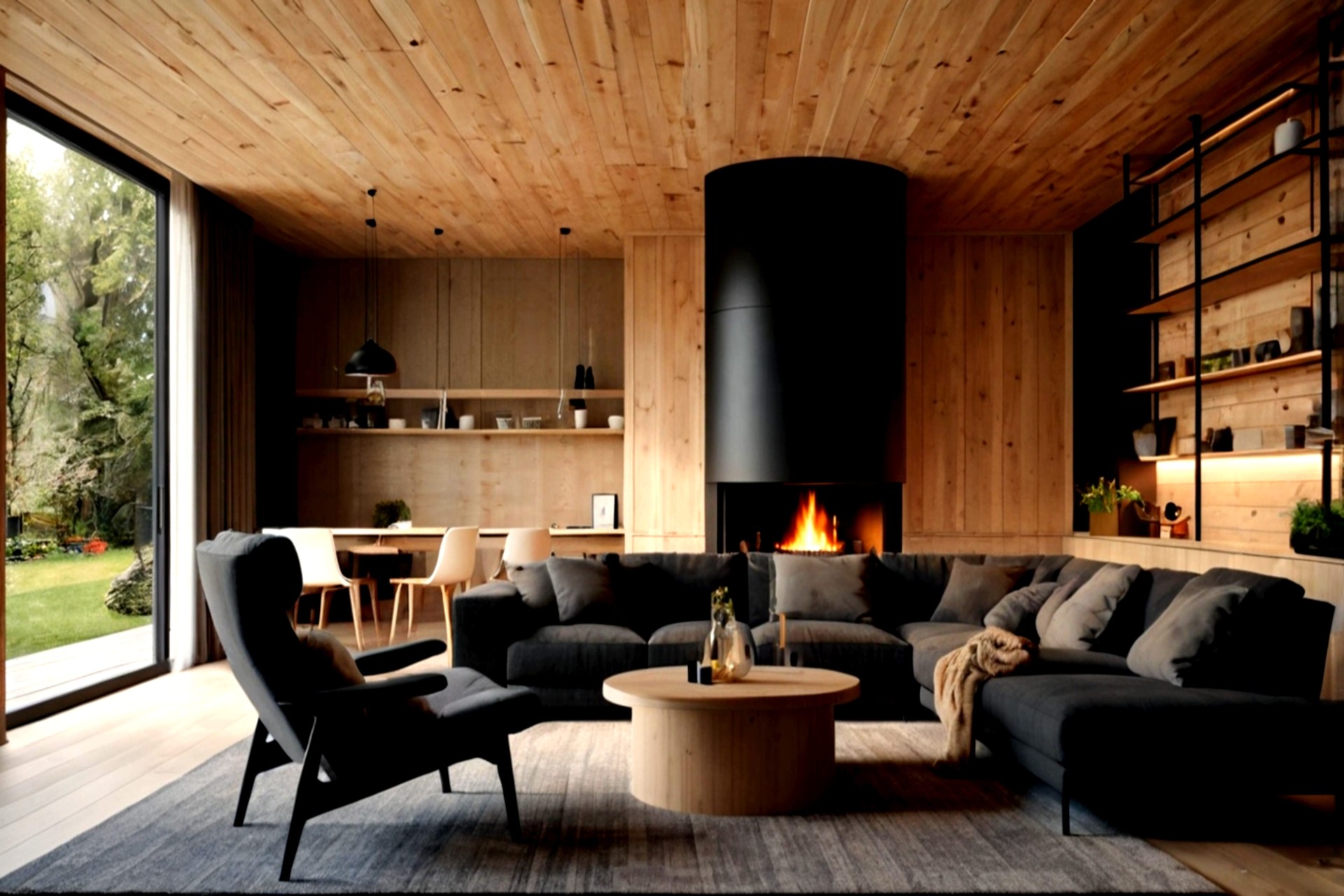
Timber beams, whether structural or decorative, bring warmth and texture, particularly in homes that lean toward natural materials. Painted or stained finishes can either highlight or soften their presence, depending on the desired effect.
In more contemporary interiors, subtle ceiling recesses or bulkhead details define spaces and incorporate lighting. These elements create a layered look that feels intentional and refined.
Lighting as a design feature
Lighting plays a major role in ceiling design. Rather than relying on a single central fixture, modern interiors are embracing layered lighting schemes that include recessed ceiling lighting.
Pendant lights are treated as sculptural elements, adding both function and visual interest.
Texture and material finishes
Beyond paint and lighting, materials are also appearing in ceiling design. Timber lining, plaster finishes and even fabric elements add warmth and tactility.
While ceiling design offers many possibilities, restraint is important. Not every room needs a heavily detailed ceiling. In some cases, a simple, well-finished surface is the most effective choice, particularly in smaller spaces or where other design elements are already strong.
Unlocking the possibilities
Ceiling design is becoming an integral part of interior schemes. Whether through colour, lighting, texture or architectural detail, the ceiling offers a unique opportunity to shape atmosphere and enhance the way a space feels.
For homeowners renovating, considering the ceiling early in the design process can unlock possibilities that transform a room from standard to considered, and from functional to memorable.