Hidden reasons your interior just works

Some interiors just feel right the moment you walk in. They’re calm without being boring, styled without feeling forced, and somehow everything sits exactly where it should. The truth is, this effect usually has less to do with expensive furniture or bold design choices and more to do with a handful of quiet principles working in the background.
One of the most overlooked factors is scale. A room can be filled with beautiful pieces and still feel uncomfortable if the proportions are wrong. Sofas that are too small for a living area can make everything feel scattered, while oversized furniture in compact spaces can feel overwhelming. Rugs are another common culprit; too small, and the room feels like it’s floating in pieces. When scale is right, though, you don’t consciously notice it; you just feel that the space is grounded and easy to be in.
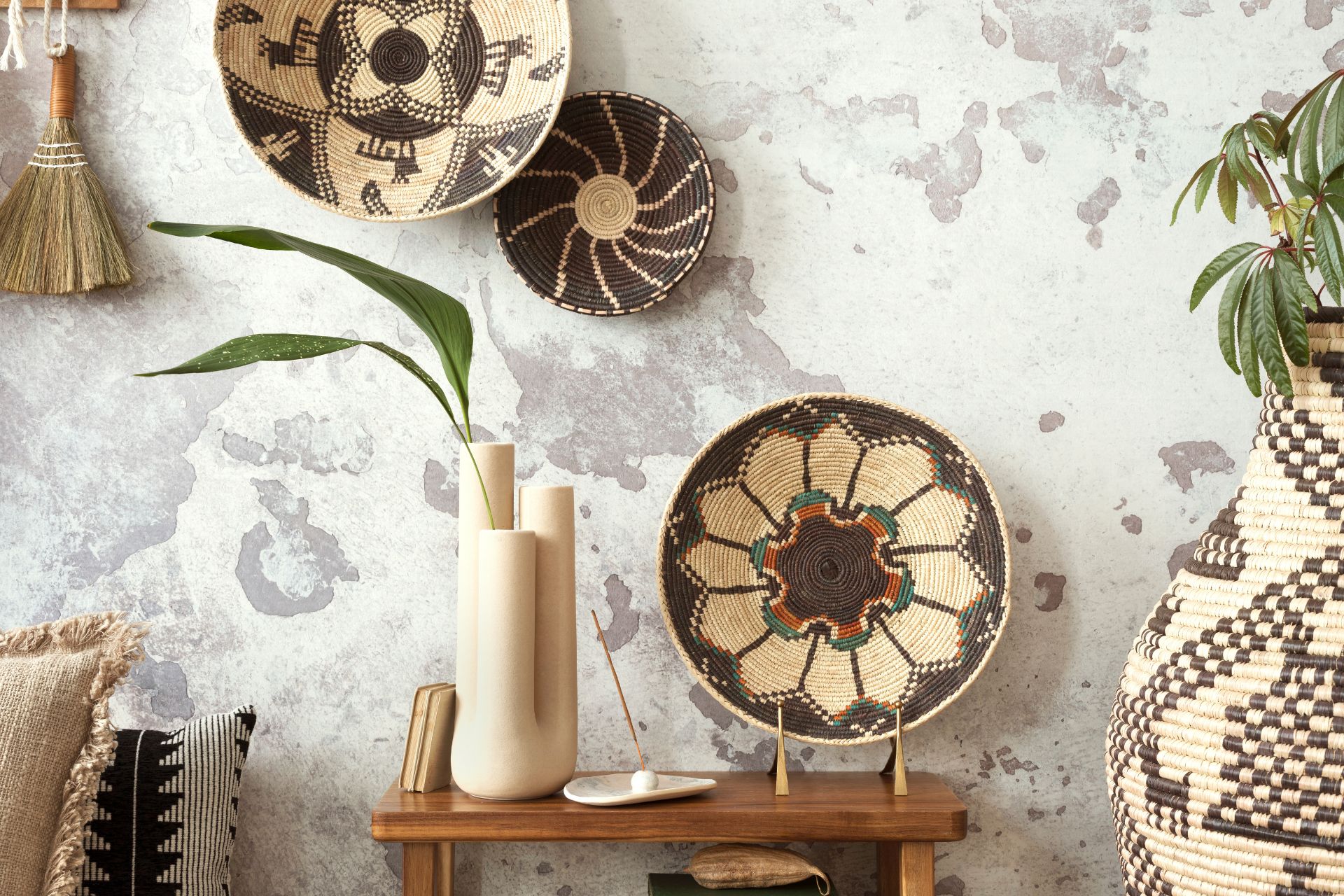
Repetition is another hidden driver of a well-resolved interior. When materials, tones, or shapes are echoed throughout a home, it creates a sense of quiet order. This doesn’t mean everything needs to match, but rather that there is consistency in how elements relate to each other. For example, repeating timber finishes, maintaining a consistent metal tone, or carrying curved forms through lighting and furniture helps the eye move through a space without disruption. It’s this subtle continuity that makes a home feel intentional rather than pieced together.
Lighting also plays a far greater role than most people realise. The most successful interiors rarely rely on a single overhead light source. Instead, they layer lighting to create depth and atmosphere. General ambient lighting provides overall visibility, task lighting supports activities like reading or cooking, and accent lighting adds warmth and focus. Table lamps, wall sconces, and soft pools of light help shape how a room feels in the evening, turning a flat space into something far more inviting and dynamic.
Another quiet but powerful principle is the use of negative space. Many people feel the urge to fill every corner of a room, but restraint is often what creates sophistication. Space allows furniture and objects to breathe, giving the eye a place to rest. It also makes what is present feel more deliberate. Instead of constantly adding more, strong interiors are often achieved through careful editing, where unnecessary elements are removed to let the room settle.
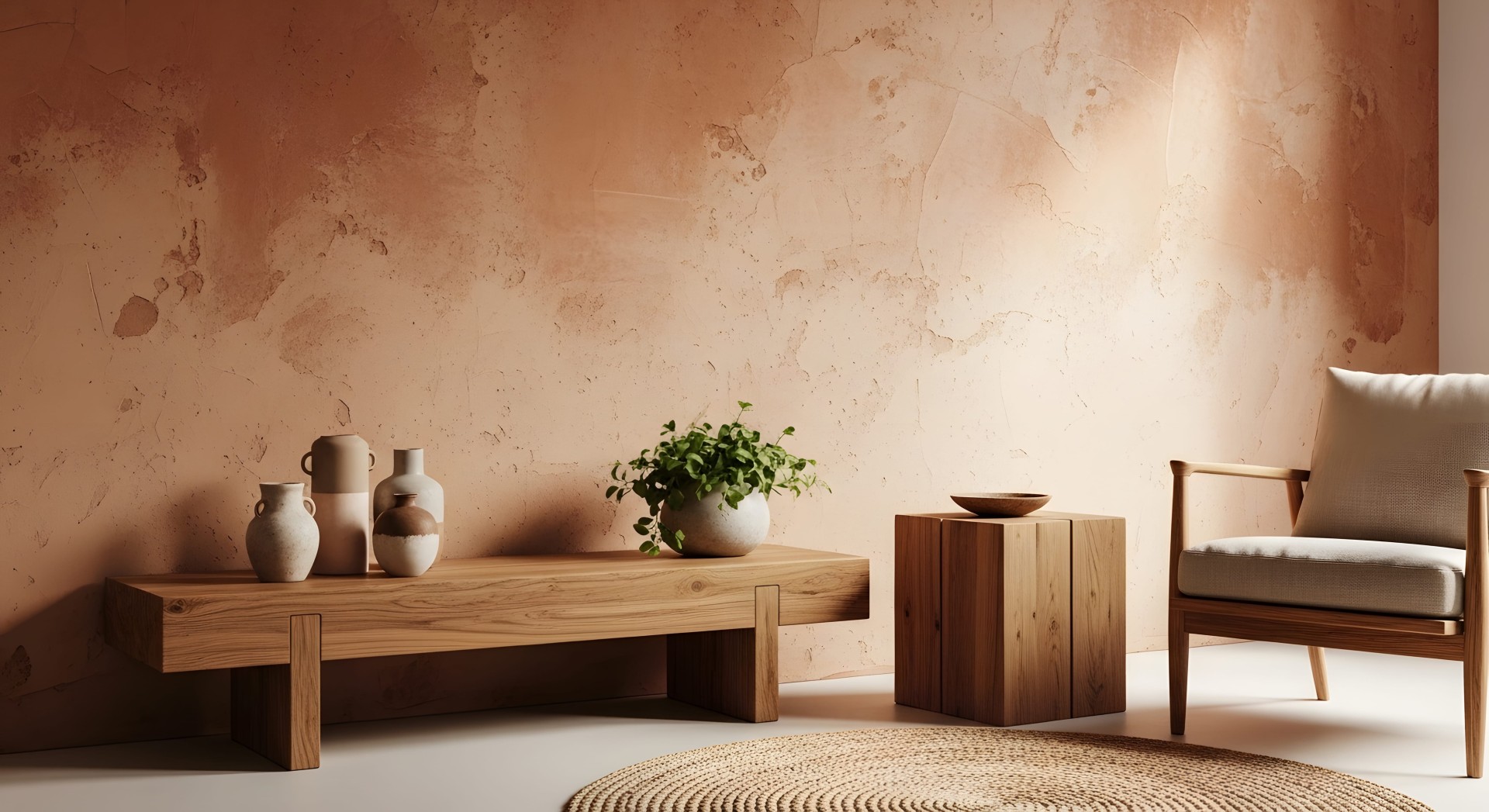
Materials and texture tend to matter more than colour alone. While colour palettes often get most of the attention, it is the tactile quality of surfaces that gives a space depth and warmth. Natural materials like timber, linen, wool, stone, and concrete bring variation and softness even when the palette is restrained. These materials also age better, developing character over time rather than looking tired. A simple, neutral interior built on strong material choices will often feel more enduring than one driven by complex colour combinations.
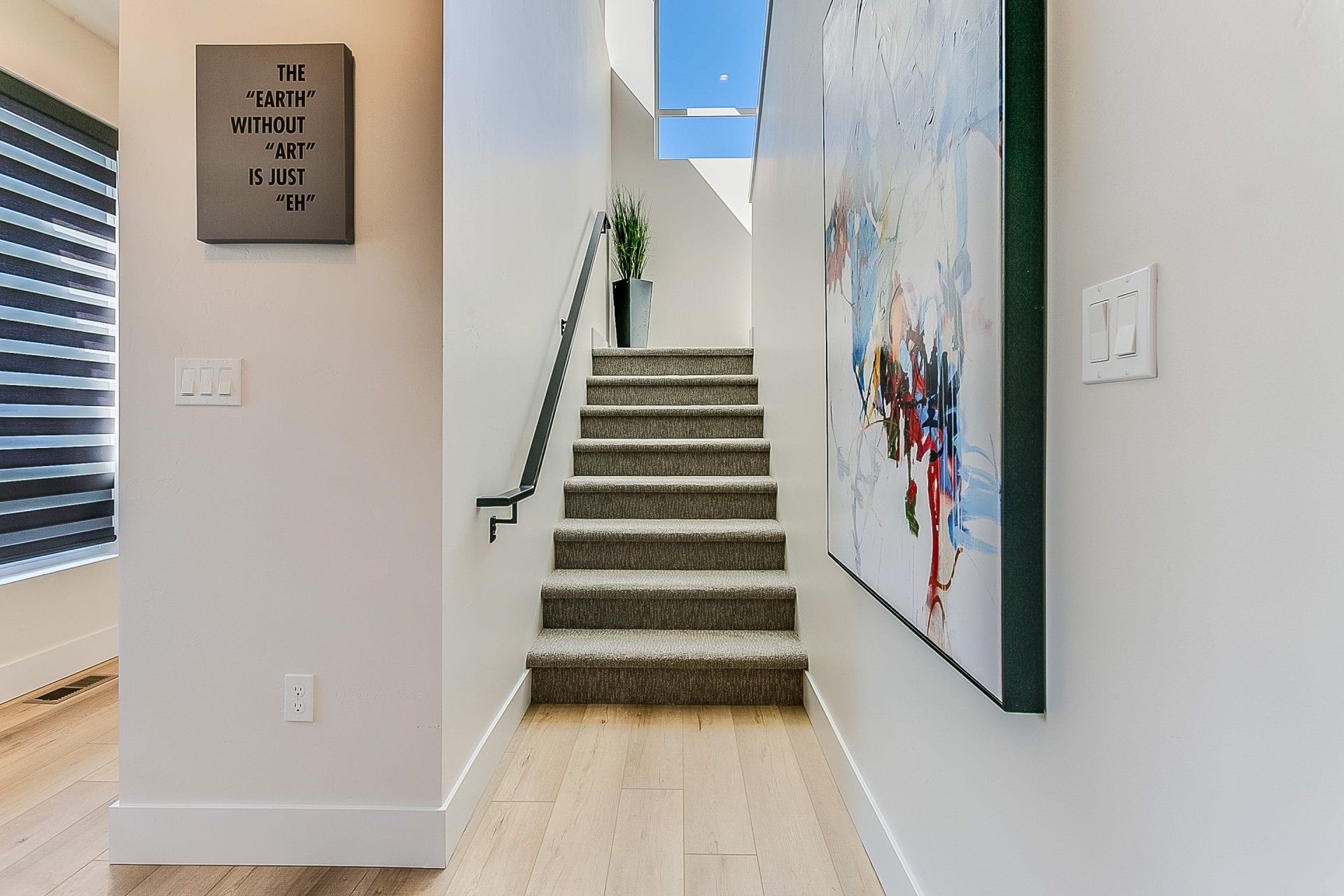
Alignment is another detail that quietly separates good interiors from great ones. When furniture, artwork, and architectural features line up cohesively, the space feels structured even if you can’t immediately identify why. A sofa that aligns with the edge of a rug, artwork centred above a key piece of furniture, or lighting positioned in relation to architectural lines all contribute to a subtle sense of order. When alignment is off, a room can feel slightly unsettled without any obvious reason.
Every well-resolved interior also needs a visual anchor. This is the element that grounds the space and gives everything else something to relate to. It might be a large sofa, a statement rug, a fireplace, or a strong piece of artwork. Without an anchor, furniture can feel as though it is floating with no hierarchy. Once an anchor is established, the rest of the room naturally falls into place around it.
Contrast is equally important in creating depth. Interiors that feel flat often lack variation, while overly busy spaces can feel chaotic. The balance sits in combining opposites in a controlled way: light and dark tones, soft and hard materials, smooth and textured surfaces. This interplay creates visual interest and stops a space from feeling one-dimensional, without overwhelming it.
A consistent mood is what ties everything together. A home doesn’t need perfect individual pieces if the overall feeling is cohesive. Whether the intention is calm, warm, minimal, or layered, every decision should support that direction. When the mood is consistent, even simple or mismatched elements can sit comfortably together.
The interiors that feel “just right” are rarely the result of more things being added. More often, they come from restraint, repetition, balance, and editing. Most of the work is invisible, but the effect is immediate. When these principles come together, a space stops feeling decorated and starts feeling naturally resolved.